
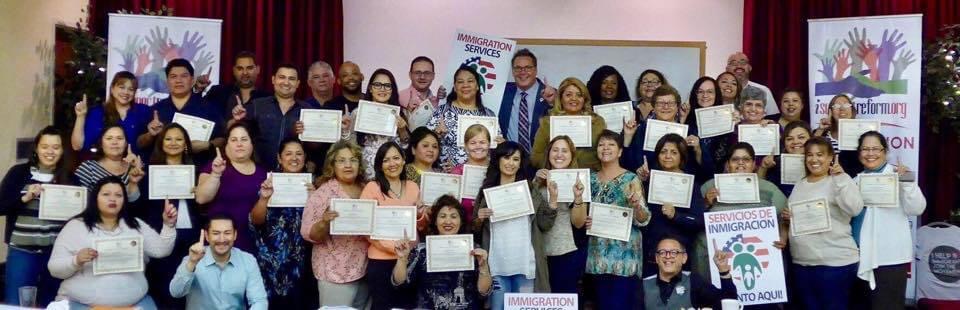
Expert Tips on Immigration Document Preparer Certification
Expert Tips on Immigration Document Preparer Certification
Navigating the complexities of immigration law requires precise documentation, making the role of an immigration document preparer essential. If you're considering a career in this field, obtaining the proper certification is a crucial step. But where do you start? What are the requirements, and how does certification benefit you?
In this guide, we’ll provide expert insights into immigration document preparer certification, common challenges, and key industry considerations. Whether you’re new to the field or looking to enhance your credentials, this blog will equip you with the knowledge you need to succeed.
Common Problems and Challenges in Immigration Document Preparation
1. Legal Boundaries and Misconceptions
One of the biggest challenges in this field is understanding the legal limitations of an immigration document preparer. Unlike attorneys, document preparers cannot offer legal advice, represent clients in court, or provide guidance on case strategy. Many individuals mistakenly assume document preparers can perform these tasks, leading to confusion and potential legal issues.
2. Lack of Standardized Certification Requirements
While some states have established regulations for immigration document preparers, others do not require certification. This inconsistency creates uncertainty for aspiring professionals, making it essential to research state-specific requirements before pursuing certification.
3. High Stakes for Clients
The accuracy of immigration documents can significantly impact a client’s chances of obtaining visas, green cards, or citizenship. Errors or omissions can result in delays, denials, or even deportation in severe cases. This pressure makes proper training and certification even more critical.
4. Competition in the Industry
With many individuals entering the field, standing out as a reputable and certified immigration document preparer is key. Clients tend to trust professionals with recognized credentials and proven expertise, making certification a valuable asset in this competitive industry.
How to Acquire Your as an Immigration Document Preparer Certification
1. Understand State Regulations
Each state has different requirements for immigration document preparers. For example:
- California requires registration with the Secretary of State and a $25,000 bond.
- Arizona mandates certification through the Supreme Court.
- Florida requires preparers to register with the state and comply with disclosure rules.
Before proceeding, research your state’s specific regulations to ensure compliance.
2. Choose a Recognized Training Program
While certification is not always mandatory, enrolling in a recognized training program helps build credibility and ensures you understand the legal and procedural aspects of immigration document preparation. Many online and in-person programs offer courses covering:
- U.S. immigration laws and processes
- Proper document preparation techniques
- Ethical considerations and compliance
Aspiring professionals should look for training programs that not only provide comprehensive instruction but also offer practical guidance on industry best practices, compliance, and business development. Organizations specializing in immigration document preparation, such as those with experienced instructors and a focus on real-world application, can be valuable resources for gaining the necessary skills and certification.
3. Gain Practical Experience
Hands-on experience is invaluable in this field. Consider:
- Volunteering with immigration support organizations
- Interning at law firms or non-profit agencies
- Offering services under the supervision of an experienced preparer
4. Obtain Business Licenses and Bonds (If Required)
If your state requires a business license or surety bond, ensure you complete the necessary paperwork. This step helps protect both you and your clients.
5. Market Your Services
Once certified, focus on building your reputation. Strategies include:
- Creating a professional website with SEO-optimized content
- Networking with immigration attorneys and community organizations
- Leveraging social media to reach potential clients
Benefits of Certification for Immigration Document Preparers
1. Increased Credibility
Clients and employers trust professionals with formal certification, demonstrating knowledge and commitment to ethical practices.
2. Competitive Advantage
Certification sets you apart from uncertified preparers, leading to more job opportunities and client referrals.
3. Higher Earning Potential
Certified professionals can charge higher fees for their services, increasing overall income.
4. Legal Compliance
Understanding and following state regulations minimizes the risk of legal issues or penalties.
5. Enhanced Professional Development
Continued education and certification open doors for career growth and specialization in immigration services.
Industry-Specific Considerations
1. Changes in Immigration Policies
Immigration laws frequently change, affecting document preparation processes. Staying updated with government policies and USCIS guidelines is crucial.
2. Ethical Considerations
Maintaining transparency about your role and limitations ensures clients receive accurate, ethical services.
3. Technology in Immigration Services
Many services are moving online. Digital document submission and e-filing are becoming standard, making tech proficiency a valuable skill.
4. Demand for Multilingual Services
Offering services in Spanish, Mandarin, or other high-demand languages can significantly expand your client base.
Related Questions and Expert Answers
1. Can I prepare immigration documents without certification?
Yes, but certification enhances credibility, legal compliance, and client trust, making it a worthwhile investment.
2. How long does it take to become a certified immigration document preparer?
It varies by state and program, but most training courses take a few weeks to several months.
3. Do immigration document preparers need insurance?
While not always required, professional liability insurance can protect against potential errors or disputes.
4. How can I find clients as a new immigration document preparer?
Networking, digital marketing, referrals, and partnerships with legal professionals can help attract clients.
FAQs
1. Is immigration document preparation legal?
Yes, as long as preparers do not offer legal advice or misrepresent their role.
2. What’s the difference between an immigration document preparer and an immigration attorney?
Document preparers assist with paperwork, while attorneys provide legal advice and representation.
3. Do I need a business license to offer document preparation services?
It depends on state regulations; check your local requirements before starting your business.
4. Can I work remotely as an immigration document preparer?
Yes, many services can be offered remotely, provided you follow all legal guidelines.
5. How do I renew my certification?
Some states and organizations require periodic renewals or continuing education; verify requirements with your certifying body.
Call to Action
If you’re ready to take the next step in your career as an immigration document preparer, obtaining certification is the best way to build trust and credibility. At Latin American Immigration Association, we help professionals navigate the certification process and stay compliant with industry standards.
Don’t wait—start your journey today! Contact us at Latin Immigration to learn more about certification programs and expert guidance in immigration document preparation.
By following these expert tips, you can establish yourself as a trusted and successful immigration document preparer, helping individuals navigate the complex world of immigration paperwork with confidence and accuracy.
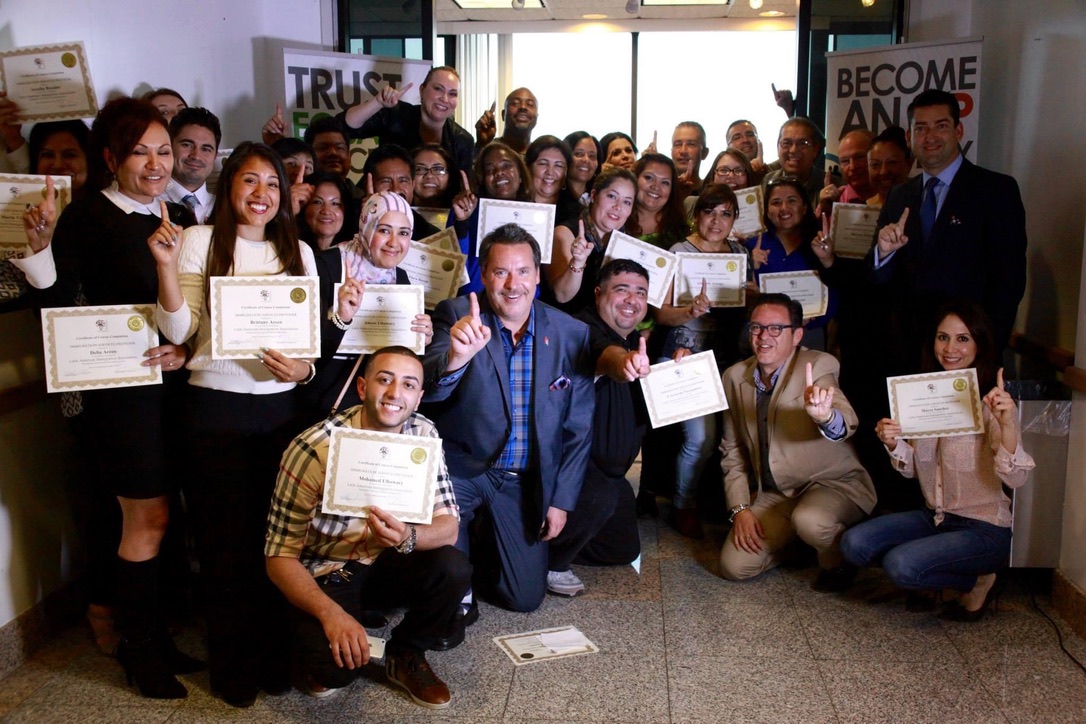
Everything You Need to Know About California Surety Bonds for Immigration Consultants
Everything You Need to Know About California Surety Bonds for Immigration Consultants
California has a reputation for stringent regulations, and immigration consultants are no exception to this rule. Among the many requirements, obtaining a surety bond is one of the most critical steps for compliance. If you’re new to the field, you may wonder what a surety bond is, why it’s necessary, and how to get one. This guide will cover everything you need to know about California’s surety bond requirement for immigration consultants, giving you the knowledge to navigate this essential process confidently.
What Is a Surety Bond and How Does It Work?
A surety bond is a financial guarantee that protects clients from misconduct, fraud, or errors by an immigration consultant. It involves three parties: the principal (the immigration consultant), the obligee (the State of California), and the surety (the company issuing the bond). Essentially, the bond ensures that consultants fulfill their professional and ethical obligations.
While a surety bond protects your clients, it’s not the same as insurance for your business. If a valid claim is filed against the bond, the surety company may compensate the client for their losses. However, as the consultant, you are responsible for reimbursing the surety company for the claim amount.
The bond serves as a safeguard for clients, protecting them from potential harm caused by unethical or negligent practices. For consultants, it acts as a badge of credibility, signaling to clients and regulators that you are operating within the bounds of the law.
Why Are Surety Bonds Required for Immigration Consultants?
California’s laws require immigration consultants to carry a $100,000 surety bond to protect consumers from unethical or fraudulent practices. This requirement, outlined in sections 22440–22448* of the California Business and Professions Code, reflects the state’s commitment to safeguarding its immigrant communities.
Surety bonds play a critical role in holding immigration consultants accountable. They ensure that consultants are incentivized to adhere to legal and ethical standards. The bond provides peace of mind for clients, knowing they have recourse if a consultant fails to meet their obligations. Consultants cannot legally practice in California without a bond, making it a non-negotiable part of the profession.
Who Needs a Surety Bond in California?
In California, any individual offering non-legal immigration services as an immigration consultant is required to obtain a surety bond. This includes assisting clients with completing forms, gathering documentation, or providing other related services.
Operating without a bond is illegal and can result in severe penalties, including fines and the loss of your registration as an immigration consultant. Whether you’re just starting your career or renewing your registration, obtaining and maintaining a surety bond is essential in meeting the state’s requirements.
How to Acquire a Surety Bond
Acquiring a surety bond may seem daunting initially, but it’s straightforward when broken down into clear steps. The first step is to find a reputable bond provider specializing in bonds for immigration consultants. Many providers operate online, offering streamlined applications to make the process convenient.
When applying for a surety bond, you’ll typically need to provide personal and business information, including proof of your registration as an immigration consultant. Be prepared for the bond provider to conduct a credit check as part of the application process. Your creditworthiness can influence the cost of your bond premium, which is the annual fee you pay to maintain the bond.
For immigration consultants seeking guidance, the Latin American Immigration Association (LAIA) offers a comprehensive resource for acquiring a bond. Visit their Get a Bond with LAIA page to learn more about trusted bond providers and tips for navigating the process.
Once you’ve secured your bond, you must file proof of the bond with the California Secretary of State. This ensures that you are officially compliant with state regulations and can legally offer immigration consulting services.
What Happens If a Claim Is Filed?
While surety bonds protect clients, they also hold consultants accountable. If a client believes you’ve violated your professional obligations, they can file a claim against your bond. This could happen if a consultant engages in fraudulent behavior, fails to deliver agreed-upon services, or misrepresents their qualifications.
When a claim is filed, the surety company will investigate its validity. If the claim is legitimate, the surety may pay the client up to the bond amount. However, the consultant is ultimately responsible for reimbursing the surety for any claims paid out.
Avoiding claims is crucial for maintaining your reputation and financial stability. Adhering to ethical practices, providing clear client agreements, and fulfilling your obligations are the best ways to minimize the risk of claims.
Why Maintaining Compliance Matters
A surety bond is more than just a regulatory requirement—a symbol of trust between you, your clients, and the state. You demonstrate your commitment to ethical practices and client protection by obtaining and maintaining your bond.
Failing to comply with the bond requirement can lead to severe consequences, including financial penalties, loss of registration, and damage to your professional reputation. For clients, a consultant without a bond may signal untrustworthiness or a lack of professionalism, making it harder to build a successful business.
Conclusion
California surety bonds are a cornerstone of compliance for immigration consultants, serving as a safeguard for clients and a mark of professionalism for consultants. Understanding what they are, why they’re required, and how to acquire them is essential for anyone looking to build a successful career in this field.
If you’re ready to secure your surety bond and take the next step in your career, explore LAIA’s resources at Get a Bond with LAIA. With the proper guidance, you can meet California’s requirements and establish yourself as a trusted advocate for your community.
*Sections 22440–22448 of the California Business and Professions Code govern the regulations for immigration consultants in California. These sections are designed to protect clients and maintain ethical practices within the immigration consulting industry. Here's a brief explanation of key provisions:
These sections collectively ensure accountability, transparency, and ethical practices, protecting both clients and consultants in California’s immigration industry. |

How to Become a Registered Immigration Consultant
How to Become a Registered Immigration Consultant: A Step-by-Step Guide to Starting Your Career
If you’re passionate about helping immigrant communities and dream of running your own business, becoming a registered immigration consultant is an excellent career choice. With the proper training, certifications, and resources, you can confidently offer non-legal immigration consulting services that make a real difference.
Here’s a step-by-step guide to help you start your journey as a professional immigration consultant.
Step 1: Understand State-Specific Regulations
Before starting your career, it’s essential to understand your state’s specific regulations regarding immigration consulting.
States fall into three categories:
- States that allow non-legal immigration consulting services without additional requirements.
- States that require registration or surety bonds to operate legally.
- States that prohibit offering independent immigration consulting services.
For example, states like California and Illinois require registration and surety bonds, while others, such as Oregon and Texas, prohibit independent immigration consulting. Always verify your state's current regulations by checking with local government offices.
Helpful Resource: LAIA State Regulation Guide
Step 2: Invest in Professional Training
To provide ethical, accurate, and professional services, immigration consultants must undergo proper training. Training equips you with the specialized knowledge needed to assist clients confidently.
The Latin American Immigration Association (LAIA) offers courses taught by experienced immigration paralegals and attorneys. A comprehensive training program should include:
- Immigration form preparation.
- Legal boundaries for non-lawyers.
- Client communication strategies.
Investing in a high-quality training program builds your skills and sets you apart from competitors.
Helpful Resource: Register for LAIA Training
Step 3: Register with Your State and Obtain a Surety Bond
Many states require immigration consultants to complete a registration process and secure a surety bond before offering services. A surety bond protects your clients, ensuring compliance with regulations.
For instance, California mandates a $100,000 surety bond for immigration consultants. Be sure to complete these requirements before promoting your services.
Step 4: Join an Immigration Trade Association
An industry trade association membership provides numerous benefits, including access to ongoing training, networking opportunities, and resources to help grow your business.
LAIA offers unparalleled support for immigration consultants, including marketing, compliance, and business development guidance. You gain access to a community of like-minded professionals who share your passion for helping immigrants by joining.
Helpful Resource: Learn About LAIA Membership
Step 5: Secure Errors & Omissions Insurance
While surety bonds protect your clients, Errors & Omissions (E&O) insurance safeguards you from liability in case of mistakes or misunderstandings. This insurance is a critical step in building a trustworthy and professional practice.
Research providers specializing in immigration consultant insurance to find the right coverage for your business.
Step 6: Develop a Business and Marketing Plan
A well-crafted business and marketing plan is essential for success. Your plan should include:
- A clear description of the services you’ll offer.
- Pricing models that reflect your expertise and local market rates.
- Marketing strategies to reach your target audience include social media campaigns, community workshops, and a professional website.
Tools like business planning software or templates can make this process easier and more efficient.
Step 7: Build Your Branding and Online Presence
A strong brand and online presence help establish credibility and attract clients. Focus on:
- Designing a professional logo and business cards.
- Creating an informative website that highlights your services.
- Leveraging social media to connect with your community and share valuable content.
Consider hiring professionals to assist with branding and web design if needed.
Step 8: Develop a Client Agreement
A detailed client agreement protects you and your clients by clearly outlining the terms of your services. Some states even require these agreements by law. Be sure to include essential details such as:
- Scope of services.
- Fee structures.
- Refund policies.
Refer to your state’s regulations to ensure compliance.
Step 9: Start Attracting Clients
The final step is building a client base. Participate in local community events, offer free informational workshops, and utilize online platforms to market your services.
Networking with other professionals, such as tax preparers and notaries, can also help you gain referrals.
Conclusion
Becoming a registered immigration consultant is a fulfilling career that allows you to support immigrant communities while achieving professional and financial independence. These steps will set a strong foundation for your business and ensure long-term success.
If you’re ready to take the next step, register for LAIA’s live training and start building your future today!

Understanding USCIS Immigration Forms - A Guide for Consultants
Listen to This Article
As an immigration consultant, one of your key responsibilities is to help clients navigate the confusing and sometimes complex world of United States Citizenship and Immigration Services (USCIS) forms. These forms, each with its unique purpose and requirements, are the foundation of any immigration process. This guide aims to provide a comprehensive overview of these forms, helping you serve your clients more effectively.
The Importance of Understanding USCIS Immigration Forms
Understanding USCIS immigration forms is crucial for several reasons. First, each form corresponds to a specific immigration process, and using the wrong form can lead to delays or even denials. Second, each form has its own set of instructions and requirements, and missing or incorrect information can have serious consequences. As an immigration consultant, your ability to understand and accurately complete these forms can significantly impact your clients’ immigration journey.
Overview of USCIS Immigration Forms
USCIS has a variety of forms, each serving a specific purpose in the immigration process. Some of the most commonly used forms include:
I-485 (Application to Register Permanent Residence or Adjust Status): Also known as the green card application, this form is for immigrants seeking to become permanent U.S. residents.
N-400 (Application for Naturalization): This form, commonly referred to as the citizenship application, is submitted when an immigrant applies to become a U.S. citizen.
N-600 (Application for Certificate of Citizenship): This form is used to obtain an official certificate recognizing a child’s status as a U.S. citizen. It is not an application to become a U.S. citizen.
I-130 (Petition for Alien Relative): This form is used when a U.S. citizen or permanent resident wants to help a relative immigrate to the United States.
I-864 (Affidavit of Support): Some immigrants are required to submit this form to demonstrate that they have sufficient financial means and are not likely to rely on the U.S. government for financial support.
Form Use Cases
The Four Types of Immigration
Immigration to the United States can be broadly categorized into four types: family-based immigration, employment-based immigration, refugee and asylee status, and the diversity visa program. Each of these types of immigration requires different forms and processes. For example, family-based immigration often involves the I-130 form, while employment-based immigration may require forms such as the I-140 (Immigrant Petition for Alien Worker).
The Five Stages of Immigration
The immigration process can be broken down into five stages: petition, application, biometrics, interview, and decision. Each stage requires different forms and documentation. For instance, the petition stage often involves forms like the I-130 or I-140, while the application stage may require forms such as the I-485 or N-400.
The Three Main Categories of Immigrants
Immigrants to the United States can be categorized into three main groups: family-sponsored immigrants, employment-based immigrants, and refugees and asylees. Each category has different requirements and forms. For example, family-sponsored immigrants often use the I-130 form, while employment-based immigrants may use forms such as the I-140 or I-485.
Conclusion
Understanding USCIS immigration forms is a crucial part of being an effective immigration consultant. By familiarizing yourself with these forms and the processes they correspond to, you can provide better guidance to your clients and help them navigate their immigration journey more smoothly. For more resources and support, consider joining the Latin American Immigration Association. Our membership provides access to a wealth of resources designed to support your work in immigration services.
Frequently Asked Questions
What is the I-485 form?
The I-485 form, also known as the Application to Register Permanent Residence or Adjust Status, is used by immigrants seeking to become permanent U.S. residents.
What is the N-400 form?
The N-400 form, also known as the Application for Naturalization, is submitted when an immigrant applies to become a U.S. citizen.
What is the N-600 form?
The N-600 form, also known as the Application for Certificate of Citizenship, is used to obtain an official certificate recognizing a child’s status as a U.S. citizen.
What is the I-130 form?
The I-130 form, also known as the Petition for Alien Relative, is used when a U.S. citizen or permanent resident wants to help a relative immigrate to the United States.
What is the I-864 form?
The I-864 form, also known as the Affidavit of Support, is used by some immigrants to demonstrate that they have sufficient financial means and are not likely to rely on the U.S. government for financial support.
Success Stories: Fernando’s Journey
To illustrate the importance of understanding USCIS immigration forms, let’s look at the story of Fernando. Fernando immigrated to the U.S. from Mexico with the help of an immigration consultant who was a member of the Latin American Immigration Association<. The consultant’s deep understanding of USCIS forms and processes helped Fernando navigate the sometimes confusing U.S. immigration system. From filing the I-130 form to petition for his immigration through a U.S.-based relative, to completing the I-485 form to adjust his status to a permanent resident, the consultant was there to support Fernando every step of the way. Today, Fernando is a proud U.S. resident, working towards his dream of becoming a U.S. citizen.
Understanding USCIS immigration forms is not just about paperwork—it’s about helping people like Fernando realize their American dream. As an immigration consultant, you have the power to make a significant difference in people’s lives. The Latin American Immigration Association is here to support you in this important work.

Why Join the LAIA? Exploring the Benefits of Our Membership Program
Listen to This Article
The Latin American Immigration Association (LAIA) is the leading professional organization that empowers individuals and organizations involved in immigration services industry. Our students, members and supporters come from all segments of the immigration services industry, including immigration consultants, attorneys, paralegals and BIA accredited representatives. We are dedicated to providing a series of comprehensive immigration training programs as well as offering a valuable Membership Benefits Program which is designed to provide ongoing support, coaching, mentoring and valuable turnkey tools and resources to our community.
But why should you consider joining? Let’s delve into the benefits of our membership benefits program.
The Importance of Professional Support & Coaching in Immigration Services
Navigating the world of immigration services can be confusing and detailed. With ever-changing laws and procedures, it’s crucial to have access to up-to-date information and professional support and coaching services. That’s where the LAIA membership program comes in. Our program is designed to provide you with the resources and support you need to confidently and effectively serve your clients.
Whether you’re an , attorney, paralegal, BIA accredited representative or part of a non-profit organization or church group, our membership program can enhance your professional capabilities.
Detailed Overview of Membership Benefits
As a member of the LAIA, you gain access to a wealth of resources designed to support your work in immigration services. Here’s a closer look at what you can expect:
Sample contracts, intake questionnaires, checklists and sample filing packages – We provide sample contracts and intake forms easily downloadable in both English and Spanish, along with checklists and sample application filing packages for the most common family-based application filings. These valuable turnkey resources can save you time and money, and help to provide following best practice procedures.
Private Facebook Community – Connect with other professionals in the field, share experiences, ask questions, and get advice in our private Facebook community.
Ongoing training webinars – Stay up-to-date with the latest developments in immigration services through our information and continuing education training webinars that are offered at discounted rates for current members.
Sample Filings – We provide sample filings for various immigration procedures, including Family Petition, Affidavit of Support, Fiance Visa Petition, DACA Renewal, Naturalization, Certificate of Citizenship, and more.
Declaration Samples – Get access to I-601A, VAWA, and U-Visa declaration samples to help you with learning some of the more advanced family-based forms.
Success Stories
One of our students and members, Liz E. from Philadelphia, PA an independent immigration consultant, shares her experience: “If you are looking to obtain great results in your career and work with people that have the most up to date information and best skills, look no further! Latin American Immigration Association is the best. They are not looking for numbers or to get something out of you, they are here for you and they make sure you are set in every possible way. Thank you Greg and all staff involved, you guys are the best!” Liz’s Google Review: ⭐️ ⭐️ ⭐️ ⭐️⭐️
How To Get Started
The LAIA membership program offers a wealth of resources and support to help you navigate the complexities of immigration services. Whether you’re just starting out or looking to enhance your professional capabilities, consider joining the LAIA.
Click here to join us today and start enjoying the benefits of membership.
Frequently Asked Questions
Who can join the LAIA?
Anyone involved in the immigration services industry including Immigration Consultants, Attorneys, Paralegals, BIA Accredited Representatives, Non-Profit Organizations, Church Groups, and Corporate Vendors, can join the LAIA.
What resources do I get access to as a member?
As a member, you get access to support, coaching, mentoring, sample contracts, intake questionnaires, checklists for common filings, referrals to immigration attorneys, membership in a private Facebook community, invitations to additional training classes and webinars, sample filings for various immigration applications, documentation related to the I-601A, VAWA, and U-Visa processes and much more.
How can I join the LAIA?
You can join the LAIA by visiting our website and registering on our Membership Benefits Program page.
Are there membership dues to join the LAIA?
Yes, there are membership dues which helps us provide the resources and support that our members benefit from. The dues and different levels of membership offered can be found on our website.
Can I get legal advice from the LAIA?
LAIA is not a law firm and we do not provide legal advice. LAIA provides training, resources, networking and non-legal support and information for immigration services. We recommend consulting with a licensed attorney for legal advice.
Joining the LAIA can provide you with the resources, support, and community you need to succeed in the field of immigration services. We hope to welcome you as a member soon!!!

Understanding Surety Bonds for Immigration Consultants: A Complete Guide
Listen to This Article
 As an immigration consultant or a document preparation service provider, you’re in a unique position to make a significant impact on the lives of many. However, navigating the complexities of the field, particularly understanding the intricacies of surety bonds, can pose a significant challenge. This comprehensive guide is designed to demystify surety bonds for immigration consultants, highlighting their importance and providing a roadmap to compliance. We’ll also explore how the Latin American Immigration Association can be an invaluable partner in securing the best rates for your immigration bond.
The Importance of Surety Bonds
In the immigration consulting industry, surety bonds act as a financial guarantee that the immigration consultant will fulfill their obligations according to state laws. The bond serves as a form of protection for the public, ensuring that the consultant operates in good faith and in compliance with the law.
Navigating Bond Requirements in Key States
Several states have specific surety bond requirements for immigration consultants or document preparation service providers. Here’s a brief overview of the states with notable bond requirements:
- California: California mandates the possession of an Immigration Consultant Surety Bond for operation.
- Georgia: An Immigration Assistance Provider Bond is required for service providers in Georgia.
- Nevada: In Nevada, an Immigration Forms Specialist Bond or a Document Preparation Service Provider Bond is a must-have.
- New York: Service providers in New York need an Immigration Assistance Provider Bond to operate.
- Utah: Utah law requires an Immigration Consultant Bond for those offering immigration consulting services.
Partner with LAIA for Your Immigration Bond Needs
The Latin American Immigration Association (LAIA) has partnered with several leading bond companies to provide the best possible rates on your needed immigration bond. As the Agent for Surety Bonds, LAIA Insurance Services is dedicated to supporting immigration consultants and document preparation service providers in fulfilling their bond requirements.
Get a Complimentary Quote for Your Bond
LAIA offers a user-friendly online application process for those seeking a complimentary quote for their bond. Once the application is submitted, you can expect to receive your quote within approximately 24 hours, streamlining your path to compliance and successful operation.
FAQs
What is a surety bond in the context of immigration consulting?
A surety bond in the context of immigration consulting is a legally binding contract that guarantees that the immigration consultant will fulfill their obligations according to state laws. If the consultant fails to abide by these laws, the bond provides financial protection to the client.
Why is a surety bond important for a Document Preparation Service Provider?
A surety bond is crucial for a document preparation service provider as it helps establish credibility and trust. It ensures that the service provider will adhere to state laws and regulations, providing clients with financial protection in the event of non-compliance or misconduct.
How can I obtain a surety bond in my state?
To obtain a surety bond in your state, you can contact a bond company or an insurance agency that offers surety bonds. The Latin American Immigration Association (LAIA) has partnerships with leading bond companies and can assist in obtaining a bond at the best possible rate.
How can the Latin American Immigration Association assist me with my bond requirements?
The LAIA, through its insurance services, works in partnership with several leading bond companies. They provide assistance in navigating the bond process, offering competitive rates for the required immigration bonds. Additionally, they offer a straightforward online application process for obtaining a complimentary quote for the necessary bond.
What is the process to receive a complimentary quote for a bond from LAIA?
To receive a complimentary quote for a bond from LAIA, you can complete their online application or call their designated number. After your submission, you can expect to receive your quote within approximately 24 hours.
Conclusion
Navigating the bond requirements is a crucial step toward operating as a document preparation service provider. By understanding the specific requirements of your state and partnering with trusted organizations like the Latin American Immigration Association, you can ensure a smooth, compliant operation. Embark on your journey in the immigration consulting industry with the confidence that comes from being well-prepared and well-supported.

The Most Common USCIS Immigration Forms You Need to Know
Listen to This Article
Common USCIS Immigration Forms
(click each form to visit its respective page on the USCIS website)
When applying for U.S. citizenship or permanent residence, it can be challenging to navigate the various USCIS immigration forms required by the U.S. Citizenship and Immigration Services (USCIS). To make it easier, we’ve compiled a list of the most commonly used immigration forms along with their official names:
Also known as the green card application, this form is for immigrants seeking to become permanent U.S. residents.
This form, commonly called the citizenship application, is submitted when an immigrant applies to become a U.S. citizen.
This form is used to obtain an official certificate recognizing a child’s status as a U.S. citizen. It is not an application to become a U.S. citizen.
This form is used when a U.S. citizen or permanent resident wants to help a relative immigrate to the United States.
Some immigrants must submit this form to demonstrate that they have sufficient financial means and are not likely to rely on the U.S. government for financial support.
Understanding and completing these commonly used USCIS immigration forms can be the first step toward achieving your immigration goals in the United States.
Other USCIS Immigration Forms
- AR-11 Change of Address
- G-325A Biographic Information
- G-639 Freedom of Information Act/Privacy Act Request
- I-90 Application to Replace Permanent Resident Card
- I-129 Petition for a Nonimmigrant Worker
- I-290B Notice of Appeal or Motion
- I-360 Petition for Amerasian, Widow(er), or Special Immigrant
- I-485A Supplement A to Form I-485
- I-589 Application for Asylum and Withholding of Removal
- I-601 Application for Waiver of Grounds of Inadmissibility
- I-751 Petition to Remove the Conditions of Residence
- I-765 Application for Employment Authorization
- I-817 Application for Family Unity Benefits
- I-821 Application for Temporary Protected Status
- I-821D Consideration of Deferred Action for Childhood Arrivals
- I-864A Contract Between Sponsor and Household Member
- I-881 Application for Suspension of Deportation or Special Rule Cancellation of Removal (Pursuant to Section 203 of Public Law 105-100 (NACARA))
- I-912 Request for Fee Waiver
- I-918 Petition for U Nonimmigrant Status
- N-336 Request for a Hearing on a Decision in Naturalization Proceedings (Under Section 336 of the INA)
- N-426 Request for Certification of Military or Naval Service
- N-470 Application to Preserve Residence for Naturalization Purposes
- N-565 Application for Replacement Naturalization/Citizenship Document
- N-600 Application for Certificate of Citizenship
- N-648 Medical Certification for Disability Exceptions
Applying for U.S. citizenship or permanent residence can be daunting, especially when navigating the various immigration forms required by USCIS. However, by familiarizing yourself with the most commonly used immigration forms, you can simplify the process and increase your chances of a successful outcome.
Conclusion
Remember always to use the official form names and double-check the form number to avoid errors in your application. With the right resources and guidance, you can achieve your immigration goals and start a new life in the United States.

Empower Your Career with Immigration Consultant Training from The Latin American Immigration Association
Listen to This Article
 The Latin American Immigration Association is a renowned organization that has carved a niche for itself in the field of immigration consulting services. Committed to delivering excellence and innovation, they are on a mission to provide comprehensive support and guidance to those who need assistance with various immigration matters. One of their most notable offerings is the Immigration Consultant Training program.
The Need for Skilled Immigration Consultants
With changing immigration policies and complex procedures, the need for skilled immigration consultants has never been more critical. These professionals guide individuals through the labyrinth of immigration forms, applications, and requirements. A well-trained immigration consultant can make a significant difference in someone’s journey to a new land.
Transformative Immigration Consultant Training
The Latin American Immigration Association’s Immigration Consultant Training program is a stepping stone for those aspiring to make a difference in people’s lives as immigration consultants. This comprehensive training program equips individuals with the necessary tools, knowledge, and best practices required to succeed in the immigration services industry.
Highlights of the Training Program
The LIVE 3-Day Online Training Program, “The Essentials of Immigration Document Preparation,” is one of the highlights of their training. This intensive program covers various family-based immigration applications, state regulations, client intake processes, and important considerations such as avoiding unauthorized practice of law (UPL) and effective advertising and business setup strategies.
A Learning Hub for Aspiring Consultants
Their Learning Center is a treasure trove of resources for individuals eager to enter the world of immigration consulting. From articles on launching an immigration consulting business to important questions to ask before hiring an immigration consultant, the blog covers a wide range of topics designed to provide insights and guidance to both clients and aspiring consultants.
Join the Latin American Immigration Association
The Latin American Immigration Association is more than just an organization; it’s a community of dedicated professionals committed to making a difference. By joining this esteemed entity, you gain access to a wealth of resources, professional guidance, and a network of like-minded individuals passionate about immigration consulting.
FAQs
Q: What is the role of an immigration consultant?
An immigration consultant is a professional who provides advice, guidance, and legal assistance to individuals planning to immigrate. Their role involves helping clients understand and navigate immigration laws, filling out the necessary forms and paperwork, and guiding them through the application process to ensure the best possible outcome.
Q: What topics are covered in the Immigration Consultant Training program?
The Latin American Immigration Association’s Immigration Consultant Training program is comprehensive, covering a range of topics essential for a successful career in immigration consultancy. These include understanding various family-based immigration applications, state regulations, client intake processes, and important considerations such as avoiding unauthorized practice of law (UPL). The program also focuses on business aspects like effective advertising and setting up an immigration consulting business.
Q: How can I join the Latin American Immigration Association?
You can join the Latin American Immigration Association by visiting their official website and following the instructions for membership application. The association welcomes all individuals who are interested in immigration consultancy, whether you are a professional in the field or an aspiring consultant.
Q: How can I access resources from the Learning Center?
The Learning Center resources are available on the Latin American Immigration Association’s website. These resources, which include articles, training program details, and other valuable insights, are designed to help aspiring consultants and clients understand the complex world of immigration services.
Q: What are the benefits of receiving Immigration Consultant Training from the Latin American Immigration Association?
The Immigration Consultant Training from the Latin American Immigration Association offers numerous benefits. It provides comprehensive knowledge about immigration laws and procedures, equipping trainees with the necessary skills to guide clients effectively. The training also covers essential business aspects, enabling individuals to establish and run successful immigration consulting businesses. Furthermore, being trained by a respected entity like the Latin American Immigration Association enhances credibility in the field.
Conclusion
The Latin American Immigration Association’s Immigration Consultant Training program is a transformative journey that equips you with the knowledge and tools to make a meaningful impact in the field of immigration consulting. Whether you’re an aspiring consultant or a professional looking to enhance your skills, the Latin American Immigration Association is the partner you need on your path to success.
Join us today and empower your career with unparalleled expertise in immigration services.

Navigating the World of Immigration Forms Specialist: Questions and Answers
Listen to This Article

Becoming an Immigration Forms Specialist
If you are looking for assistance with immigration forms, you may have come across the term “Immigration Forms Specialist” (IFS). This refers to individuals who provide limited, non-legal help with immigration forms and applications. However, before seeking assistance from an IFS, it’s important to understand the qualifications required, permitted services, and prohibited conduct related to offering non-legal immigration services.
In this blog post, we answer some common questions about Immigration Forms Specialists:.
How much demand is there for Immigration Forms Specialists?
The immigrant population in the United States is growing, and many immigrants are unable to afford the services of an immigration attorney.
In fact, according to the Pew Research Center, immigration has accounted for 29 percent of U.S. population growth since the year 2000. Additionally, the U.S. Census Bureau estimates that more than 40 million people living in the United States were born in another country. The number of people who apply for naturalization each year is in the hundreds of thousands, with 772,623 immigrants filing to become U.S. citizens in 2013 alone, according to the Office of Immigration Statistics.
Can anyone serve as an Immigration Forms Specialist?
The USCIS states that anyone may provide limited, non-legal help with immigration forms and charge for those services. However, it’s important to note that states determine the qualifications required, including whether or not you need to be an attorney.
Therefore, it’s essential to check your state’s rules to find out if there are any limitations. While anyone with the necessary know-how may provide limited help with immigration forms, training can help you do the work professionally.
Can a Notary also serve as an Immigration Forms Specialist?
Yes, as long as you meet your state’s requirements for both. However, state licensing and business rules may require you to post separate bonds, present specific signage, or use certain supplies to differentiate notarial services from immigration services.
It’s important to note that, as a Notary, you may be found guilty of engaging in the unauthorized practice of law if you provide immigration-related services and are not registered or licensed with your state to do so. This can result in harsh penalties, including fees, suspended commission, or even criminal charges.
What services can Immigration Forms Specialists provide?
Immigration Forms Specialists (IFS) are individuals who provide limited, non-legal help with immigration forms and applications. IFSs can provide non-legal immigration services that do not require an attorney, unless your state requires you to be an attorney to provide immigration consultation. Some examples of non-legal immigration services that an IFS can provide include:
Assisting individuals in completing immigration forms and applications
Translating responses to questions on immigration forms
Helping individuals gather supporting documents, such as birth certificates or other vital records, necessary to complete immigration forms
Collecting support documents required for the application process
Submitting completed forms to immigration authorities on behalf of the applicant
Making referrals to attorneys for legal representation in immigration matters
It’s important to note that some immigration matters may require the assistance of an attorney or an accredited representative. Understanding when these situations arise can help IFSs avoid the unauthorized practice of law.
What’s off-limits for Immigration Forms Specialists?
There are certain restrictions on the tasks that Immigration Forms Specialists (IFSs) are allowed to perform. These include:
Providing advice to clients on obtaining a work permit, visa, or other immigration status matters.
Recommending or selecting specific forms for clients in an immigration matter or withholding documents from them.
Advising clients on how to answer questions on an immigration form.
Providing guidance on the statutes and immigration benefits that may be available.
Advising clients on legal remedies that may be available to them during the immigration process.
Representing clients before a government agency or an immigration court, unless the IFS is also an attorney or an accredited representative.
Making promises to secure benefits in an immigration matter if the IFS does not have a firm basis for making the promise.
Advertising in Spanish using terms such as “notario” or “notario publico” that may mislead clients into believing that the IFS is authorized to practice law.
Advertising Notary services if the IFS holds a Notary commission (in some states).
Claiming to have rights, powers, qualifications, or privileges that the office of Notary Public does not provide, including the power to counsel on immigration matters (in some states).
Using terms like “immigration consultant” or “immigration specialist” or any other descriptions in advertising that may imply expertise in immigration matters (in some states).
Charging fees higher than those authorized by law.
Making false or misleading statements to clients.
Making any statement that promises to obtain special favors.
What business practices should Immigration Forms Specialists follow?
If you are an Immigration Forms Specialist (IFS), it is crucial to adhere to specific business practices. These practices include:
Providing clients with a written contract that clearly outlines the services to be rendered, the documents to be prepared, and the fees to be charged.
Displaying written notices in your place of business that comply with state law. Any notices required by state law should be provided in English and the client’s language.
Properly handling funds and payments from a client’s account.
Promptly returning all original documents that a client has provided to support the client’s application.
Retaining a client’s full file for the length of time required by state law.
It is essential to understand the qualifications, permitted services, and prohibited conduct related to offering non-legal immigration services as an IFS. Always check your state’s rules and regulations, and be sure to follow best practices to provide professional and ethical services to your clients.
Conclusion
Immigration Forms Specialists (IFSs) provide valuable services to immigrants seeking help with immigration forms and applications. While IFSs may provide limited, non-legal help with immigration matters, it is important to understand the qualifications, permitted services, and prohibited conduct related to offering non-legal immigration services as an IFS.
Always check your state’s rules and regulations, and follow best practices to provide professional and ethical services to your clients. By doing so, IFSs can help immigrants navigate the complex immigration process and achieve their goals of becoming U.S. citizens.
10 Essential Steps to Launch Your Immigration Consulting Business
 If you’re passionate about helping immigrants navigate the complexities of the immigration process and want to leverage your existing experience as a notary, tax preparer, translator, or other professional working with immigrants, starting your own immigration consulting business might be the perfect opportunity for you.
Here are 10 essential steps to launch your immigration consulting business successfully.
1. Determine your state regulations
Before diving into the immigration consulting world, be sure to determine your state regulations. Some states require that you complete a registration and back-ground check process and have a surety bond before you can provide services. Several states, including Colorado, Oregon, Texas and Washington prohibit immigration consultants.
2. Acquire professional training
To become a reputable immigration consultant, you’ll need to acquire specific knowledge and expertise on how to provide non-legal assistance with the proper completion, assembly and submission of family-based immigration applications per USCIS specifications. Be sure the training facility has an expertise in providing quality training that is delivered by immigration experts.
3. Develop a solid business plan
A comprehensive business plan is essential for any successful venture. Your plan should include an executive summary, market analysis, competitive analysis, sales and marketing strategy, operational plan, and financial projections.
4. Register your business
Choose a suitable name for your business, and register it with the appropriate local, state, or federal authorities. Depending on your location and business structure, this may involve registering a fictitious business name (DBA), incorporating, or forming an LLC.
5. Set up your office
Establish a professional office space where you can meet with clients and manage your business operations. This can be a home office, rented office space, or a co-working space. Ensure your office is well-equipped with the necessary technology, furniture, and supplies.
6. Create a professional website and online presence
In today’s digital world, a professional website and robust online presence are critical. Develop a user-friendly website showcasing your services, expertise, and contact information. Utilize social media platforms and online directories to increase visibility and attract potential clients.
7. Network with other professionals
Building relationships with other professionals who work with immigrants, such as lawyers, notaries, tax preparers, and translators, can be incredibly valuable for your business. Networking can lead to valuable referrals and help you gain insights into the industry.
8. Develop marketing materials
Create professional marketing materials, such as business cards, brochures, and flyers, to promote your services. Distribute these materials at networking events, local businesses, and community centers frequented by your target audience.
9. Offer free consultations
Offering free initial consultations is an excellent way to showcase your expertise and build trust with potential clients. Use these consultations to discuss clients’ needs, demonstrate your knowledge, and explain how your services can benefit them.
10. Provide exceptional customer service
Providing top-notch customer service is crucial for building a successful immigration consulting business. Be responsive, attentive, and empathetic to your clients’ needs. Exceeding clients’ expectations will lead to positive word-of-mouth referrals and help you grow your business.
Launching a successful immigration consulting business requires careful planning, dedication, and a passion for helping immigrants. By following these 10 essential steps, you’ll be well-prepared to make a positive impact in the lives of your clients while building a thriving business.
If you’re interested in learning more about becoming an immigration consultant and the services they provide, don’t hesitate to visit https://latinimmigration.org for valuable resources and guidance on your journey to becoming a successful immigration consultant.
FAQs
Q1: What kind of experience or skills do I need to become an immigration consultant?
Having experience working with immigrants in areas such as notary services, tax preparation, or translation can be beneficial. Additionally, knowledge of immigration processes , strong communication skills, and empathy are essential.
Q2: What do I need to start an immigration consulting business?
Depending on your state, you may need to register, pass a background check and post a surety bond in order to provide immigration services. It is also recommended that you complete a specialized training program delivered by experienced immigration professionals. Check your state requirements for specific details.
Q3: How do I market my immigration consulting business?
Effective marketing strategies include developing a professional website, utilizing social media, networking with other professionals, distributing marketing materials, and offering free consultations.
Q4: How can I network with other professionals in the immigration field?
Attend networking events, join professional associations, and reach out to immigration professionals, notaries, tax preparers, and translators to build relationships and gain valuable insights into the industry.
Q5: How can I ensure excellent customer service in my immigration consulting business?
Be responsive, attentive, and empathetic to your clients’ needs. Exceed their expectations by providing knowledgeable guidance and support throughout the immigration process.