

A Comprehensive Guide for New Immigration Consultants: Your Roadmap to Success
Starting a career helping immigrant communities is a powerful calling, but it requires a clear roadmap. If you're wondering "where can I find a comprehensive guide for new immigration consultants," this is your starting point. The Latin American Immigration Association (LAIA) specializes in empowering individuals like you to provide essential, non-legal assistance with complete confidence and compliance.
Understanding Your Role: The Foundation of Your Career

Embarking on a journey to assist immigrants is an incredibly rewarding endeavor. This path is governed by strict legal and ethical rules designed to protect both you and the families you serve.
Success in this field is not just about filling out forms; it is about building a business grounded in trust, compliance, and genuine community impact. This guide will provide the clarity you need to achieve just that.
We will walk through the critical boundaries that separate legitimate, non-legal document assistance from the unauthorized practice of law. Understanding this distinction is the absolute bedrock of a long-lasting and successful career.
To give you a bird's-eye view, here's a quick summary of the core pillars we'll be covering. Think of this as your cheat sheet for getting started on the right foot.
Quick Guide to Becoming an Immigration Document Preparer
| Pillar of Success | What It Means for You | Why It's Critical for Your Business |
|---|---|---|
| Defining Your Role | Understanding the clear line between providing document help and giving legal advice. | Prevents you from accidentally breaking the law and builds trust with clients. |
| Understanding the Need | Recognizing the huge demand for affordable, ethical assistance in immigrant communities. | Helps you connect with your market and show how your services provide real value. |
| Getting Quality Training | Finding a training program that teaches practical skills and emphasizes strict compliance. | Equips you with the confidence and know-how to handle forms correctly and ethically. |
Each of these pillars is a building block for a business that is not only profitable but also a true asset to the community.
What This Guide Will Cover
This article is your personal GPS for a career in immigration services, designed to answer your biggest questions and provide clear, actionable steps. Here is what we will explore:
- The Role: We will clearly define what an immigration document preparer can—and just as importantly, cannot—do.
- The Need: We will explore the real, growing demand for ethical, non-legal assistance and what that means for you.
- The Training: We will show you how to identify high-quality training programs that focus on compliance and hands-on skills.
This is exactly what we specialize in at the Latin American Immigration Association (LAIA). We focus on giving entrepreneurs and community advocates the tools they need to offer valuable assistance while staying firmly within legal boundaries. For a deeper dive, you can learn more about what it means to be an immigration forms specialist in our detailed article.
Defining Your Lane: Document Preparer vs. Attorney

If there is one lesson every new immigration professional must learn, it is this: you must know the difference between being a non-legal document preparer and a licensed attorney. It is the most important rule of the road.
Think of it this way: you are a skilled and meticulous scribe, not a legal strategist. Both roles are incredibly valuable to the immigrant community, but they operate in separate lanes with firm legal boundaries.
For anyone building a career in this field, mastering this distinction is not just a best practice—it is a non-negotiable legal requirement. Your success and the safety of your clients depend on operating ethically within your role. Let’s draw that line with absolute clarity.
What Is the Role of an Immigration Document Preparer?
As an immigration document preparer, your job is precise and administrative. You are a service provider who helps clients accurately fill out official forms based on the information they provide. Your role is to prevent common errors, check for completeness, and make the submission process feel less intimidating.
Your authorized tasks are straightforward and focus on execution, not advice. You can:
- Translate: Accurately translate a client's answers from their native language into English on an immigration form.
- Transcribe: Type the client's self-provided information into the right fields on a form.
- Organize Documents: Help a client assemble their application package, ensuring all required documents are included and organized as USCIS specifies.
- Mail and Submit: Mail the completed application package on behalf of your client.
This administrative support is vital. It helps families avoid simple mistakes that can lead to frustrating delays or rejections, making the process smoother for people who find the paperwork overwhelming.
Critical Disclaimer: You must be upfront about your role from the very first conversation. LAIA and its affiliates do not provide legal advice or legal representation. Always include a disclaimer in your contracts stating that services are limited to non-legal document preparation.
What You Absolutely Cannot Do
Crossing the line into legal advice, even accidentally, can have severe consequences. You could face fines and legal action for the Unauthorized Practice of Law (UPL) and put your clients at serious risk. To protect your business and the people you serve, you must never do the following, as these actions are reserved exclusively for licensed attorneys.
Tasks Reserved for Attorneys Only:
| Action You Cannot Take | Why It's Off-Limits for Preparers | Potential Consequences of a Mistake |
|---|---|---|
| Giving Legal Advice | You are not trained or licensed to interpret complex immigration law or advise on a client's legal options. | Bad advice can lead to deportation or a permanent bar from entering the U.S. for your client. |
| Choosing Forms for a Client | Selecting the correct form is a legal decision based on an individual’s unique circumstances and eligibility. | Filing the wrong form wastes hundreds of dollars and months of time. Even worse, it could jeopardize a person's legal status. |
| Representing Clients | You cannot speak for a client to USCIS, go with them to interviews, or argue their case. | This is the Unauthorized Practice of Law, a serious offense in every state. |
| Promising Outcomes | You can never guarantee an approval or a specific timeline. All final decisions rest with USCIS. | Making promises you can't keep creates false hope and can be considered fraudulent misrepresentation. |
Your role is to empower clients by helping them with the paperwork for a path they have already chosen. An attorney’s role is to help them choose that path and fight for them along the way.
Why There Is a Growing Need for Ethical Immigration Assistance

To understand why a career in immigration document preparation matters, you have to look past the paperwork and see the people. Every day, families across the country begin a life-changing journey, often running into the wall of a confusing and intimidating immigration system.
This is not just a local problem; it is a global one. As more people seek to reunite with loved ones or build new lives, the demand for clear, ethical, and non-legal help is skyrocketing. This is a field where you can build a business that answers a real, heartfelt need in your community.
Bridging the Accessibility Gap
Many families who need to file a straightforward petition for a spouse or child do not require a full-service attorney. What they do need is affordable, trustworthy help to ensure their forms are filled out correctly and completely. This is the critical gap that ethical document preparers fill.
You become the bridge between a family's personal information and the official government forms they need to submit. By doing this, you make the process more accessible and prevent simple mistakes that can cause months or even years of agonizing delays.
A Market with Purpose: The global immigration consulting services market was valued at about USD 15.9 billion in 2024 and is projected to reach approximately USD 26.4 billion by 2033. This growth reflects a powerful human need for skilled support.
This financial growth is tied directly to people's lives. As more families work to reunite or build new futures, the need for competent, non-legal assistance will only climb, creating a sustainable and impactful business opportunity.
Why Ethical Practice Is the Foundation of Your Success
High demand for assistance also opens the door to misinformation and fraud. Sadly, unsuspecting families can fall victim to "notarios" or unethical consultants who make false promises and give dangerous advice, often with devastating results.
This is why your commitment to ethical, non-legal service is your single greatest asset. When you operate strictly within your defined role, you build a reputation based on trust and integrity. Clients will come to you because they know you'll handle their sensitive information with care and honesty, without crossing into giving legal advice.
Your business becomes a safe harbor in a confusing system. This commitment is not just a legal requirement; it is a powerful way to stand out and build a loyal, trusting client base.
The Human Impact of Your Work
Behind every form is a family holding onto a dream of building a future together. A simple mistake on an application can delay a reunion, disrupt a child's life, or create incredible financial and emotional stress. Your work directly prevents these problems.
Just think about the difference you make:
- You reduce stress. You bring clarity and confidence to people who are often overwhelmed by bureaucracy.
- You prevent delays. By ensuring every detail is accurate, you help applications move through the system smoothly.
- You empower communities. You offer a vital, affordable service that gives families the power to take control of their immigration journey.
Ultimately, by providing skilled document preparation, you are not just filling out forms. You are playing a crucial role in helping people navigate one of the most important moments of their lives.
How to Find the Right Training Program
When you search for a "comprehensive guide for new immigration consultants," you are really looking for the most important investment in your new career: your education. Picking the right training program separates a compliant, trusted business from one that makes costly mistakes. Think of this as your buyer's guide for finding a course that sets you up for long-term success.
Not all training is created equal. Some programs make wild promises or gloss over the strict legal boundaries of your role. A high-quality course will be laser-focused on compliance, practical skills, and ethical business practices from the start.
What to Look for in a Quality Program
As you evaluate your options, look for courses that give you more than a piece of paper. The best programs are built on a solid foundation of practical, real-world instruction that prepares you for what the job is actually like. This means they should dive deep into the specific forms you’ll be handling day in and day out.
Your training absolutely must prioritize hands-on, form-by-form instruction. It’s not enough to talk about immigration in general terms; you need a guide to walk you through the most common family-based and humanitarian forms, line by line. This is the only way to build the confidence and competence needed to serve clients accurately and ethically.
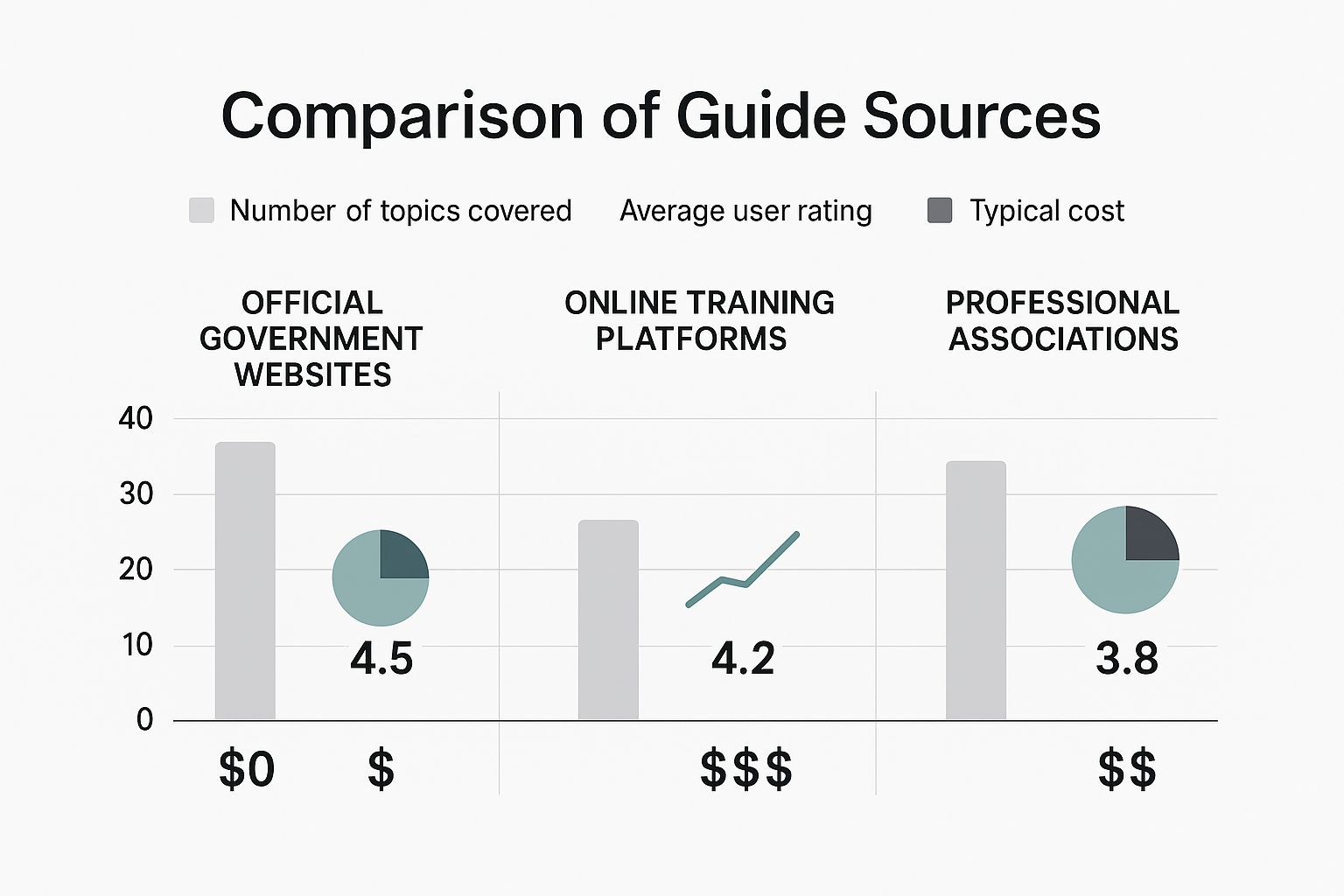
While government websites are free, a dedicated training program offers a much more complete and user-friendly learning experience.
Evaluating Immigration Document Preparer Training Programs
Use this table to compare key features of legitimate training programs against potential red flags, ensuring you choose a course that prioritizes compliance and ethical practice.
| Feature | What to Look For (Green Flags) | What to Avoid (Red Flags) |
|---|---|---|
| Curriculum Focus | Detailed, form-by-form instruction on common applications (I-130, N-400, etc.). | Vague descriptions like "learn immigration basics" with no specifics. |
| Ethical Guidelines | Strong, upfront emphasis on avoiding the Unauthorized Practice of Law (UPL). | Downplaying legal risks or making it seem like you can give "advice." |
| Instructor Credentials | Taught by experienced professionals with verifiable backgrounds in the field. | Anonymous instructors or those with no real-world immigration experience. |
| Business Training | Includes modules on client contracts, marketing ethics, and office setup. | Focuses only on forms, with no guidance on running a compliant business. |
| Promised Outcomes | Empowers you to provide non-legal assistance within strict boundaries. | Promises you can be a "consultant" in a legal sense or guarantees client results. |
Choosing a program with all the green flags is your first step toward building a business that lasts.
Spotting Red Flags and Misleading Promises
As you compare programs, keep your guard up for any that make unrealistic claims. A legitimate course will never promise that you can act as a "consultant" in a legal sense or guarantee outcomes for clients. True education is about empowering you to operate confidently within the law, not bend it.
Here are some critical red flags to avoid:
- Vague Curriculum: The course description is fuzzy and lacks specifics about which forms or procedures will be taught.
- Promises of "Consultant" Status: It uses tricky language that suggests you'll be able to provide legal advice or strategy.
- Downplaying Legal Risks: The training doesn’t have a strong, upfront focus on the Unauthorized Practice of Law (UPL) and ethical boundaries.
- No Instructor Credentials: The people teaching the course lack verifiable, real-world experience in the immigration field.
A heavy focus on compliance isn't just a feature—it's everything. A course that doesn't spend significant time on what you cannot do is a serious liability to your future business.
The Importance of Business and Ethics Training
A top-tier program teaches you more than just how to fill out forms. It also guides you on how to build and run a compliant business from the ground up. This means practical instruction on setting up your office, creating client contracts with the right disclaimers, and marketing your services ethically.
Look for a curriculum that includes real-world business development. This knowledge is what turns your skills into a sustainable service that genuinely helps your community. To see what a curriculum built on these principles looks like, you can explore what many consider the best immigration consulting certification program available for non-attorneys.
The LAIA Advantage: Your Practical Training Solution
When you're searching for a comprehensive guide, you need more than general advice. You need a hands-on, practical training program that prepares you for the work you'll be doing. This is where the Latin American Immigration Association (LAIA) shifts from theory to real-world application.
Our approach is built on empowering bilingual individuals to serve their communities with confidence and strict ethical compliance. With the right education, you can build a successful business that provides vital non-legal assistance, bridging a critical gap for many families.
What Makes LAIA's Training Different?
The LAIA training curriculum is structured around the tasks you will actually perform every day. We don’t just talk about immigration theory; we provide hands-on, step-by-step instruction for over 21 of the most common family-based and humanitarian immigration forms. This practical focus is what truly sets our training apart.
You will learn the mechanics of applications such as:
- Form I-130, Petition for Alien Relative: The foundational document for most family-based petitions.
- Form N-400, Application for Naturalization: Guiding lawful permanent residents on their final path to citizenship.
- Form I-485, Application to Register Permanent Residence or Adjust Status: A key form for those seeking a green card from within the U.S.
- Form I-765, Application for Employment Authorization: Helping clients secure the legal right to work.
This direct, form-by-form training ensures you are equipped not just with knowledge, but with the practical skills needed to assist clients from day one.
An Unwavering Commitment to Ethical Boundaries
According to USCIS data, the agency received over 10.9 million filings in fiscal year 2023, showing the immense demand for immigration services. This high volume underscores the responsibility you carry as a document preparer.
Because of this, our training program places an absolute premium on ethical boundaries. Every module reinforces the clear line between providing non-legal document preparation and the Unauthorized Practice of Law (UPL).
At LAIA, we teach you not only what to do, but more importantly, what not to do. Our curriculum is designed to protect you, your business, and the clients who place their trust in you by ensuring you never cross that line into giving legal advice.
This commitment to compliance is your greatest asset. It builds a reputation for integrity and becomes the foundation of a sustainable business that communities can rely on. For a detailed look at what this involves, check out our guide on the 10 essential steps to launch your immigration consulting business.
Frequently Asked Questions (FAQs)
Stepping into a new career always brings up questions. We've gathered some of the most common ones we hear from aspiring immigration document preparers to give you the clear, straightforward answers you need.
Q: Can I call myself an "immigration consultant?"
A: This is a critical distinction. The title "consultant" often implies giving advice, which is reserved for licensed attorneys. We recommend using precise, compliant titles like "Immigration Document Preparer" or "Immigration Forms Specialist" to accurately reflect your non-legal role and avoid the Unauthorized Practice of Law (UPL).
Q: Does LAIA provide legal advice or select immigration forms for me?
A: No. LAIA provides non-legal training in immigration document preparation. Our services are limited to teaching you how to translate, type, and submit client-provided information. LAIA and its affiliates do not provide legal advice, form recommendations, or legal representation.
Q: Do I need a special license to start this business?
A: This depends entirely on your state's laws. Some states, like California, have specific registration and bonding requirements for immigration document preparers. It is your responsibility to research and comply with your local regulations. A quality training program will guide you on how to find this information. For more on this, read our guide on how to become a registered immigration consultant.
Q: How much can I earn preparing immigration documents?
A: Your income potential depends on your location, the services you offer, and your marketing efforts. Preparers typically charge a flat fee per form, ranging from under $100 to several hundred dollars depending on its complexity. Bundling this service with other offerings like tax preparation or notary services can create a strong, diversified revenue stream.
Q: What is the most important skill I need?
A: While attention to detail is crucial, the single most vital skill is unwavering ethical integrity. You must have the discipline to stay within your legal boundaries and never offer legal advice, even when asked. This commitment will build a rock-solid reputation and a sustainable business that genuinely serves your community.
Are you ready to build a business that empowers your community? The Latin American Immigration Association provides the practical, compliance-focused training you need to succeed. Learn more about our courses and start your journey today at https://latinimmigration.org.
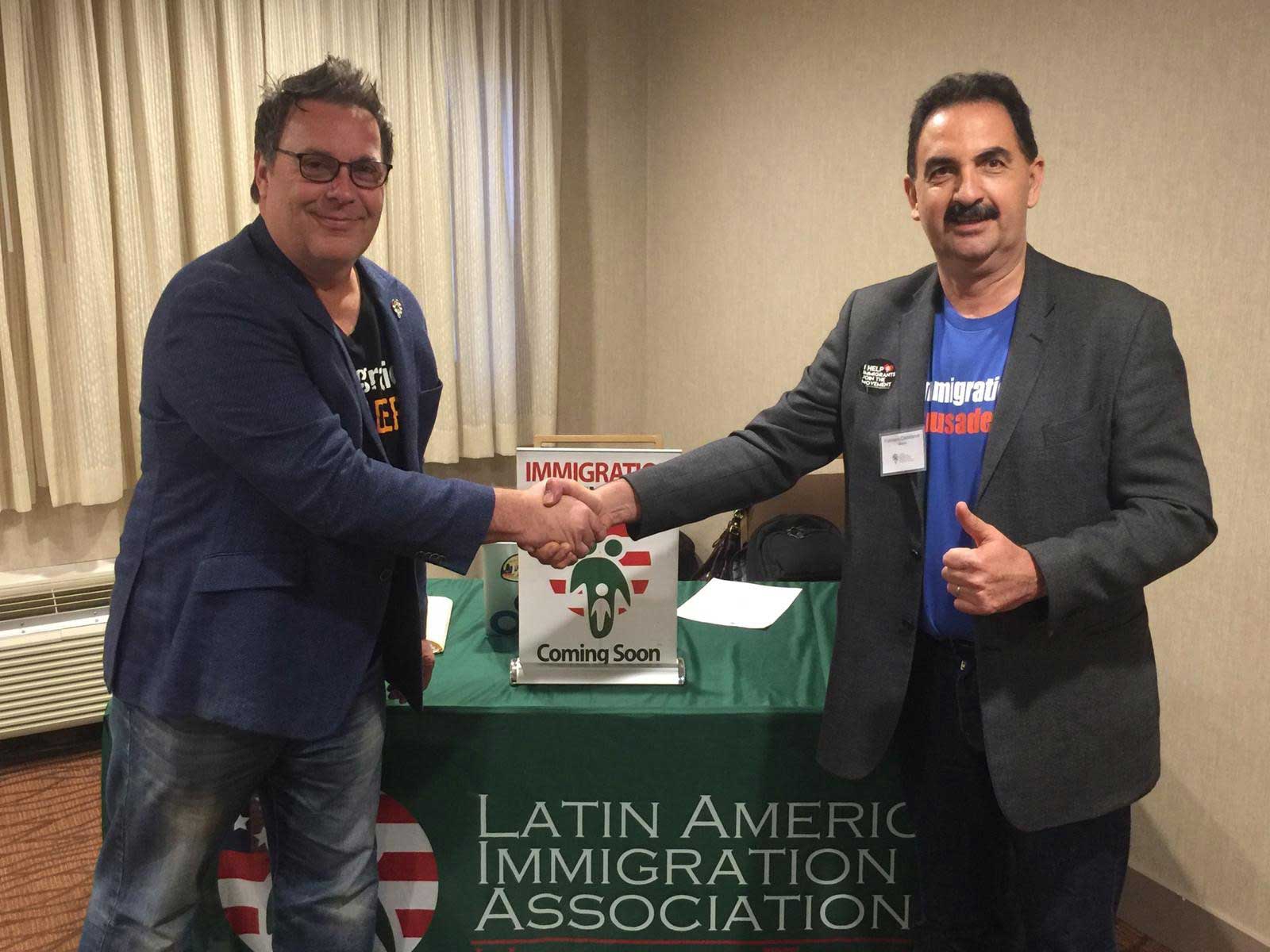
How to Assist Clients with Immigration Forms: A Guide to Empowering Your Community
Helping clients with immigration forms is a deeply rewarding way to serve your community, but it all starts with one core principle: you are a skilled and ethical facilitator, not a legal advisor. Your role is to accurately transfer the information your client gives you onto the specific forms they have selected. The Latin American Immigration Association (LAIA) is dedicated to training professionals like you to navigate this process with confidence and integrity.
Defining Your Role as an Immigration Document Preparer

Starting a career as an immigration document preparer means taking on a role of immense responsibility. For many families, you are the crucial bridge helping them navigate a mountain of complex paperwork. To do this job right, you must work within very clear professional boundaries.
Your main function is to provide non-legal, administrative help. LAIA provides non-legal training in immigration document preparation, focusing on these key tasks:
- Transcribing Information: You will type the client's answers directly into the fields on the USCIS form they have given you. Accuracy is everything.
- Translating Documents: If you are bilingual, you can offer certified translations for documents that are not in English, like birth certificates or marriage licenses.
- Assembling Packages: A large part of the job is organizing the completed forms, all the required evidence, and the correct filing fees into a neat, complete package ready for submission.
- Submitting the Application: You may also be responsible for mailing the final package to the correct USCIS lockbox.
Throughout every step, you must avoid the "unauthorized practice of law." This means you cannot advise a client on which form to file, suggest what proof they should include, or guess at the legal outcomes of the information they provide. These services are limited to translating, typing, and submitting client-provided information.
The Clear Line: Document Preparer vs. Legal Advisor
It's easy to get confused about what's allowed and what isn't. Having a clear understanding of the two roles—document preparer and licensed attorney—helps keep the boundaries front and center.
Here's a simple breakdown to guide you:
Document Preparer vs. Legal Advisor Roles
| Task | Permitted for Document Preparer (Your Role) | Requires a Licensed Attorney |
|---|---|---|
| Typing Answers | ✅ Yes, you can type the client's exact answers onto a form. | ❌ No, this is an administrative task. |
| Choosing a Form | ❌ No, you cannot advise which form is best for their situation. | ✅ Yes, this is considered legal advice. |
| Explaining Legal Options | ❌ No, you cannot interpret immigration law or outcomes. | ✅ Yes, this is the core function of an attorney. |
| Translating Documents | ✅ Yes, you can provide certified translations of documents like birth certificates. | ❌ No, this is a non-legal service. |
| Assembling a Package | ✅ Yes, you can organize the forms and evidence the client provides. | ❌ No, this is an administrative task. |
| Recommending Evidence | ❌ No, you cannot suggest which specific documents to include as proof. | ✅ Yes, this requires legal strategy. |
| Representing a Client | ❌ No, you cannot speak for a client to USCIS or in court. | ✅ Yes, legal representation is exclusive to attorneys. |
This table is a great tool for explaining your role to clients. Being upfront about these limitations from the very first conversation builds trust and protects everyone involved.
Establishing Trust and Compliance From Day One
Your first meeting with a client lays the foundation for your entire professional relationship. It's your chance to show them you're trustworthy by being completely transparent about what you can and cannot do.
Imagine this common scenario: A new client asks, "My brother is a U.S. citizen. Which form do I need so he can petition for me?" This question is a test of your professional boundaries.
A compliant, professional response would be: "That's a great question, but helping you choose the right form is considered legal advice, which I'm not authorized to provide. My role is to help you accurately fill out the specific form you decide to use. I recommend you consult with a qualified immigration attorney to determine the best path for your situation.
This answer protects you and the client. It shows your commitment to ethical practice and points them toward the expert help they need. You can dive deeper into these responsibilities in our detailed guide on becoming an immigration forms specialist.
The Demand for Ethical Document Assistance
The need for your services is greater than ever. The U.S. immigration system faces a massive number of applications, creating significant backlogs and making the process incredibly complicated for applicants.
According to USCIS data from 2023, over 800,000 family-based petitions were filed. The strain on the system is clear, with millions of cases pending across various categories. This highlights how valuable skilled preparers are. You help clients submit applications that are complete and accurate, reducing simple mistakes that cause even more delays.
By operating with integrity, you empower people in your community to face this challenging process with more clarity and confidence.
Accurately Completing and Translating USCIS Forms
Once your client has chosen the correct immigration form, your most critical job begins: ensuring every piece of information is entered with 100% accuracy. This isn't just data entry; it's a careful process where your precision can prevent long delays and stress for your client.
This is especially vital for forms that determine a person's ability to live and work here, like Form I-765, Application for Employment Authorization. A simple mistake—a mistyped date of birth or a misspelled name—can get the application denied, forcing the client to start over. Your attention to detail is an act of empowerment.
Best Practices for Transcribing Client Information
The golden rule is simple: transfer information exactly as the client provides it. Your job is not to guess, interpret, or fill in blanks with your own assumptions. If a client's birth certificate lists their middle name as "Javier," you must write "Javier."
Here are some real-world tips for maintaining accuracy:
- Double-Check Everything: After filling out a section, read it back and compare it directly against the client's source documents.
- Know Your "N/A" and "None": Never leave a field blank unless the form instructions explicitly tell you to. Most USCIS forms require you to write "N/A" (for "not applicable") or "None" if a question doesn't apply.
- The Final Client Review: Before considering it done, sit with your client and go through the entire form together, line by line. This is the last and best chance to catch any mix-ups.
A Quick Word on Integrity: Your professional responsibility is to make the form a perfect mirror of your client's information. You should never alter answers or suggest they provide different information to get a specific outcome. That is a serious ethical line that constitutes the unauthorized practice of law.
The Critical Skill of Certified Translation
Many of your clients, especially those from Latin American communities, will provide essential documents in Spanish. USCIS requires a complete and certified English translation for any foreign language document you submit.
A certified translation needs more than just translated words; it requires a signed statement from the translator confirming its accuracy. If you want to dig deeper into the specifics of different forms, our guide on understanding USCIS immigration forms is a great resource. This certification must state that the translator is fluent in both languages and that the translation is complete and correct.
What a Proper Translation Certification Looks Like
Good news: the certification doesn't have to be notarized, just signed and dated. It should be typed on its own sheet of paper and attached to both the original foreign language document and the English translation.
Here is a simple template you can adapt:
Certification by Translator
I, [Full Name of Translator], certify that I am fluent in the English and Spanish languages, and that the above/attached document is an accurate translation of the document attached titled [Name of Original Document].
Signature: ___________________________
Date: ________________
Printed Name: _________________________
Address: ____________________________
Mastering these foundational skills—pinpoint accuracy and certified translation—is what separates the pros from the amateurs. It builds trust with your clients and gives you the confidence to handle their needs effectively.
Finalizing and Assembling the Application Package
You've meticulously transcribed the information, double-checked the translations, and now you're at the final stage: assembling the submission package.
This is where your attention to detail truly shines. A clean, perfectly organized package makes the USCIS adjudicator's job easier, which can only help your client. A messy or incomplete one is a recipe for rejections or frustrating delays.
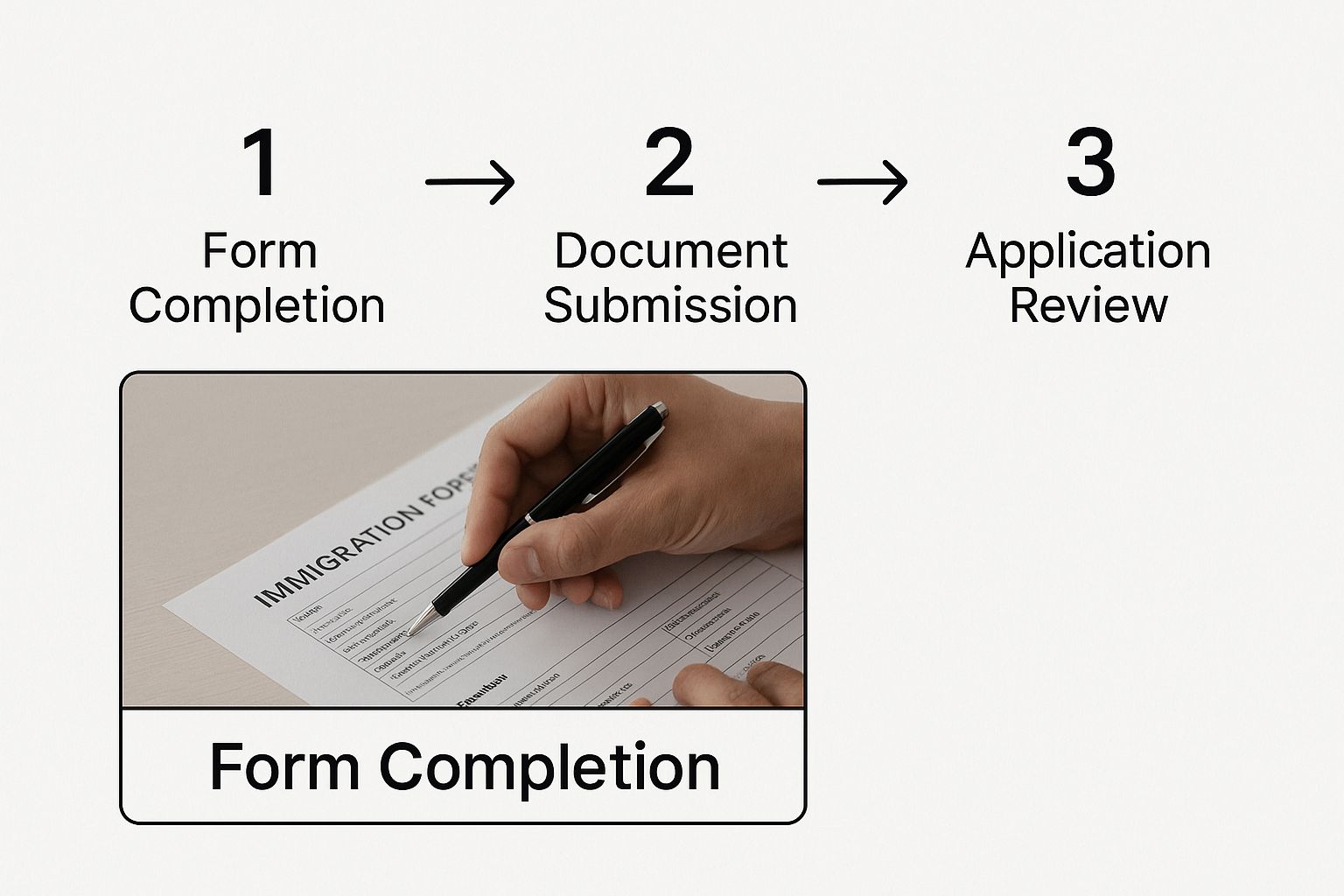
The hands-on work of putting everything together is a vital part of providing compliant, effective non-legal immigration services.
The Final Review Checklist
Before stacking a single page, a thorough final review is non-negotiable. This is your quality control checkpoint. Aim for perfection, catching any tiny error that could become a major problem.
Use this checklist to comb through every page:
- All Questions Answered: Are there any empty fields? Unless instructed otherwise, every question needs an answer. Use "N/A" or "None" as appropriate.
- Signatures and Dates: Check every signature line. Did the client sign? Did you sign as the preparer? Are the dates correct? A missing signature is a common reason for rejection.
- Correct Form Version: Look at the edition date at the bottom of the form. USCIS updates its forms constantly. Submitting an old version is an automatic rejection.
- Information Consistency: Do all names, birth dates, and addresses match perfectly across every document? Even a small typo can cause delays.
A Critical Reminder on Your Role: Remember, your review is for completeness and accuracy based on the client's information. It is not for legal sufficiency. You're ensuring the package is put together correctly, not advising on whether the evidence is strong enough. That's a job for an attorney.
Stacking the Submission Package Correctly
Believe it or not, the order of the documents matters. A logically stacked package helps the USCIS officer process the case efficiently. While you should always check the specific form's instructions, here is the generally accepted best practice for stacking:
- Filing Fee: The check, money order, or Form G-1450 (Authorization for Credit Card Transactions) goes right on top.
- Cover Letter (Optional but Recommended): A simple letter listing the package's contents is very helpful.
- The Primary USCIS Form: Next comes the main petition or application, like a Form I-130 or I-485.
- Supporting Forms: Any other forms, such as an I-864 or I-765, follow the primary one.
- Supporting Evidence: Finally, place all required evidence—birth certificates, marriage licenses, passport photos, and their certified translations.
This creates a smooth, logical flow for the person reviewing the file.
The Importance of Making Copies
Once the package is assembled, signed, and ready for mailing, there's one last crucial step: make a complete copy of the entire package.
Do not skip this. This copy is an essential record for both you and your client.
- For Your Records: The copy is your proof of the work you did and your protection, showing exactly what was submitted.
- For the Client's Records: Giving your client a full copy empowers them. They have a complete record for their own files.
This final step is a mark of professionalism. It demonstrates your commitment to providing a thorough, compliant service and reinforces the trust your client has placed in you.
Managing the Submission and Post-Filing Process
Getting the completed package in the mail is a huge relief for your client, but your job isn't finished. Your professional assistance is still needed during the submission and post-filing phases. This part of the journey requires the same attention to detail and ethical care.
Your role now shifts from form preparer to informational guide. You’ll help with mailing logistics, explain what to expect from U.S. Citizenship and Immigration Services (USCIS), and clearly define your boundaries if new requests arise.
Finding the Correct USCIS Mailing Address
One of the most common points of confusion is figuring out where to mail the package. USCIS has multiple facilities, and the right address depends on the form and the client's state.
Sending a package to the wrong place can cause an immediate rejection and heartbreaking delays. To find the right mailing address, always go straight to the source: the USCIS website.
- Go to the "Forms" section and find the page for the specific form.
- Look for a section called "Where to File."
- Read the directions very carefully, as they can change.
Never rely on old instructions or memory. Taking a minute to verify the address is a quick but critical step.
Mailing the Package With Confidence
Once you've triple-checked the address, discuss how to send the package. Standard mail is not recommended for something this important. You and your client need proof of delivery.
The two best options are:
- USPS Certified Mail with Return Receipt: This gives you a tracking number and a physical green card mailed back as proof of delivery.
- Courier Service (FedEx, UPS, DHL): These services provide detailed, real-time tracking and a guaranteed delivery date.
Professional Tip: Always choose a mailing method that includes a tracking number. This is non-negotiable. It's your concrete proof of when and where the package was delivered.
Preparing Your Client for What Happens Next
After the package is sent, the waiting begins. Your job here is to set clear, realistic expectations about the post-filing timeline.
The complexity of immigration forms and shifting government policies require that you stay informed about application statuses. You can find a wealth of official immigration and citizenship data from USCIS to better understand current trends.
Typically, here’s what your client can expect to receive in the mail:
- Form I-797C, Notice of Action (Receipt Notice): Usually arrives 2-4 weeks after filing. It confirms the case was accepted and provides a unique receipt number for tracking.
- Biometrics Appointment Notice: For many applications, the client will get a notice for an appointment to have their fingerprints, photo, and signature taken.
- Potential Request for Evidence (RFE): If an officer needs more information, they'll send an RFE. You can explain its general purpose, but you cannot advise them on how to respond. That crosses into legal advice, and you must refer the client to an attorney.
Helping clients manage these next steps and understand the possibility of immigration forms processing delays is a key part of providing excellent, compliant service.
Common Mistakes Immigration Document Preparers Must Avoid

Serving your community as an immigration document preparer is a role built on trust. While learning the right way to fill out forms is crucial, knowing what not to do is just as important. The smallest slip-up can create massive problems for your client and put your business at risk.
This goes beyond the obvious rule of never giving legal advice. Many well-meaning preparers make subtle mistakes that can be seen as the unauthorized practice of law (UPL). To protect your clients and your reputation, you must master these critical boundaries.
Giving Subtle or Unintentional Legal Advice
The most dangerous mistakes often come from a genuine desire to be helpful. A client asks a seemingly innocent question, and your answer accidentally crosses the line from clerical assistance to legal guidance.
Consider these common but risky scenarios:
- A client asks, "Which visa is faster, the one for a spouse or the one for a fiancé?" If you tell them one is "usually quicker," you've just given legal advice.
- Another client shows you a pile of documents, asking, "Is this enough proof of our marriage?" Reassuring them that it "looks good" is also legal advice.
In both situations, you're interpreting legal requirements—a task reserved for licensed attorneys.
The Compliant Response: You need a prepared script for these moments. A safe and ethical reply is, "That's an excellent question that gets into legal strategy. My role is to accurately fill out the forms with the information you give me, but I can't advise on which path to take or what evidence to include. I strongly recommend you discuss that with a qualified immigration attorney."
Using Vague or Misleading Language
How you describe your services matters. Using unclear terms can create false expectations and attract legal trouble. Precision in your language is a cornerstone of compliance.
You must avoid advertising your business with terms like:
- "Immigration Consulting"
- "Immigration Help" or "Assistance"
- "Immigration Services" (without clarification)
These phrases imply you offer guidance or counsel. Instead, use specific terms like "Immigration Form Preparation," "Document Completion Service," or "Non-Legal Form Filing Assistance." Every contract, business card, and website page must clearly state you are not an attorney and do not provide legal advice.
Mishandling Common USCIS Form Errors
Beyond major legal boundaries, simple clerical errors can cause serious delays. As a preparer, you are the first line of defense against these preventable mistakes. In fact, many of the top 10 USCIS form preparation mistakes are things a careful preparer can easily catch.
A high-quality review process means checking for these common pitfalls:
- Leaving fields blank: Every question requires an answer. Use "N/A" or "None."
- Using an outdated form: Submitting an old version is an automatic rejection.
- Incorrect filing fees: Always double-check the current fee on the official USCIS website.
A Practical Guide to Compliant Alternatives
Understanding what to avoid is the first step. The next is knowing what to do instead. Here’s a quick-glance table to help you stay on the right side of the line.
Common Preparer Mistakes and Compliant Alternatives
| Common Mistake (What to Avoid) | Compliant Alternative (The Right Way) | Why It Matters |
|---|---|---|
| Suggesting which form to file. | Explain your role is limited to filling out the form the client has already chosen. Refer them to an attorney if they are unsure. | Choosing a form is a foundational legal decision. The wrong one can derail a person's entire immigration future. |
| Advising on evidence. | Instruct the client to provide all documents listed in the official USCIS form instructions. Period. | Deciding if evidence is "strong" or "sufficient" requires a legal analysis of their specific case facts. |
| Interpreting a form question. | Read the question verbatim to the client and ask them how they would like to answer. | Explaining what a question means is legal interpretation and falls completely outside a preparer's role. |
| Promising specific outcomes. | State that you will ensure the form is completed accurately based on their information, but all decisions are made by USCIS. | You cannot guarantee approval or processing times. Doing so is misleading, unethical, and a huge red flag. |
By committing to these ethical standards, you build a sustainable business that genuinely empowers your community. You provide a desperately needed service, helping families navigate complex paperwork with confidence—all while operating safely within your professional, non-legal role.
Frequently Asked Questions About Form Preparation
Here are answers to some of the most common questions we receive at LAIA, designed to help you confidently navigate your role as an immigration document preparer.
Q: Can I help my client choose the right immigration form?
A: No. LAIA and its affiliates do not provide legal advice or legal representation. Choosing which form to file is a legal decision. Your role begins after the client has already determined which form they need, often with the help of a qualified immigration attorney. If a client asks for your opinion, your compliant response should be to refer them to a legal professional.
Q: What is the difference between translating and interpreting?
A: These terms have very different meanings. Translation is the direct, word-for-word conversion of a written document from one language to another (e.g., a birth certificate). This is a service you can provide. Interpretation is explaining the meaning of a question or concept, which you are not allowed to do for USCIS forms as it constitutes legal advice.
Q: How should I advertise my non-legal immigration services?
A: The language you use in your marketing must be crystal clear to avoid misleading clients. Stick to specific, accurate phrases like "Immigration Form Preparation," "Document Completion Assistance," or "Non-Legal Form Filing Services." You must avoid vague terms like "immigration consulting" or "immigration solutions." Every ad and contract must include a clear disclaimer that you are not an attorney and do not provide legal advice. Our guide on how to assist clients with immigration forms dives deeper into ethical marketing.
Q: What do I do if my client gets a Request for Evidence (RFE)?
A: When a client receives an RFE, you can explain what it is—a request from USCIS for more information. However, your role ends there. You cannot advise the client on how to respond or what evidence to gather. Analyzing and responding to an RFE is a legal task, and you must strongly urge the client to seek a qualified immigration lawyer immediately.
Q: Are LAIA's services considered legal advice?
A: No. LAIA provides non-legal training in immigration document preparation. Our services are limited to educating individuals on how to perform administrative tasks like translating, typing, and submitting client-provided information. LAIA and its affiliates do not provide legal advice or legal representation.
Ready to empower your community by providing ethical, high-quality document preparation services? The Latin American Immigration Association offers the premier training you need to launch or grow your business with confidence and full compliance.
Learn more about LAIA’s expert-led training programs today!
What Is the Surety Bond for an Immigration Consultant in California?
If you're looking to become an immigration consultant in California, you’ve likely heard about a "surety bond." Understanding this key requirement is one of the first steps toward launching a compliant and trustworthy business. At the Latin American Immigration Association (LAIA), we believe that knowledge is power, and we're here to clarify what this bond means for you.
Answering the question, "what is the surety bond for an immigration consultant in California?" is straightforward: it's a mandatory $100,000 financial guarantee required by the state. Think of it not as your own insurance policy, but as a security deposit that guarantees your professional integrity. Its purpose is to protect your clients from financial harm if you make a serious error or engage in fraud.
What Exactly Is a California Immigration Consultant Bond?

At its heart, the California Immigration Consultant Bond is a three-party contract. This agreement is designed to build public trust and ensure you are held accountable for your work. It creates a solid legal promise between you, the State of California, and a surety company.
Understanding the roles in this agreement is crucial for becoming a compliant and respected consultant. It forms the foundation of ethical service in the immigration field.
The Key Players in the Bond Agreement
Every surety bond agreement involves three parties, each with a specific job:
- The Principal: This is you, the immigration consultant. By obtaining the bond, you promise to follow all state laws and conduct your business ethically.
- The Obligee: This is the California Secretary of State, representing the public. The obligee requires the bond to protect consumers from potential misconduct.
- The Surety: This is the insurance or surety company that issues your bond. The surety financially guarantees your promise to the state.
Here's how it works: if a consultant fails to meet their legal duties and a client loses money, that client can file a claim against the bond. The surety company would then compensate the client, and the consultant is legally required to repay the surety company.
This legal framework is the cornerstone of consumer protection in the immigration assistance field. It ensures professionals are held to a high standard and that clients have a path to financial recovery if things go wrong.
A Mandatory Requirement to Operate
Let's be clear: in California, you cannot legally operate as an immigration consultant without this bond. It is non-negotiable.
Since July 1, 2014, the state has mandated a $100,000 bond under Business and Professions Code Section 22443.1. This isn't a one-time task; the bond must be filed with the Secretary of State and renewed continuously to maintain your registration.
Here are the essential details at a glance:
California Immigration Consultant Bond at a Glance
| Requirement | Details |
|---|---|
| Bond Amount | $100,000 |
| Required By | California Secretary of State |
| Who Needs It? | All registered immigration consultants in California. |
| Purpose | To protect clients from financial loss due to consultant fraud or error. |
| Term | Two years, must be renewed to maintain your registration. |
This requirement, combined with a mandatory background check, helps ensure that only qualified and accountable individuals can offer these vital services. For a deeper dive, see our guide on California surety bonds for immigration consultants.
Why Is the Bond Requirement $100,000?

It’s natural to wonder why the $100,000 bond requirement is so high. The answer is simple and powerful: consumer protection. This isn’t an arbitrary figure; it’s a safeguard California put in place to protect vulnerable immigrant communities from unethical practices and financial harm.
The bond serves two critical functions. First, it acts as a financial screening tool, helping to ensure that only serious and committed professionals enter the field. Second, it provides a crucial safety net for your clients.
A History of Protecting Consumers
The move to a $100,000 bond was a direct response to a real problem. Previously, the required bond amount was much lower, which lawmakers found was often not enough to cover the damages in serious cases of fraud or negligence. In 2013, the state passed Assembly Bill 1159, raising the requirement to its current level.
This change reflects a deep commitment to shielding immigrant families from exploitation. The Secretary of State’s office actively oversees compliance, which includes the bond, background checks, and other important disclosures.
A Badge of Honor for Ethical Professionals
At LAIA, we encourage aspiring professionals to view this requirement not as a hurdle, but as a badge of honor. It shows you are invested in building a business based on trust and integrity.
Obtaining this bond signals to the community that you are a serious, ethical, and professional service provider.
Meeting this standard immediately sets you apart as a professional who is committed to operating lawfully. It's a key part of building a reputable business that truly serves the community. To learn more about how the bond fits into your practice, read our detailed guide on surety bonds for immigration consultants.
How Much Will You Actually Pay for the Bond?

The $100,000 requirement can feel intimidating, but here’s the good news: you don't actually pay that full amount. Instead, you pay a much smaller fee to a surety company called a premium. This is your real, out-of-pocket cost to get bonded.
Think of it like an insurance policy where you pay a small premium for a large amount of coverage. This system makes the $100,000 bond accessible for serious professionals looking to start their business.
Factors That Influence Your Premium Cost
What determines your final price? The single biggest factor is your personal credit score. Surety companies review your credit history to gauge the level of risk they are taking by backing your professional promise.
A strong credit history demonstrates financial responsibility and directly translates to a lower premium. For applicants with good credit, the premium is often quite affordable—just another manageable business expense.
Key Insight: Your personal financial health is directly tied to the startup costs of your immigration consulting business. Maintaining good credit can save you hundreds or even thousands of dollars on your bond premium.
The cost of the $100,000 surety bond for an immigration consultant in California truly comes down to your creditworthiness. For applicants with solid credit, the premium usually falls between 1.7% and 2% of the total bond amount. This means a $100,000 bond might cost around $1,700 for a two-year term, making it a predictable expense. You can learn more by visiting surety agencies that specialize in these products.
Options for Less-Than-Perfect Credit
If your credit isn't perfect, don't worry—you still have options. While a lower credit score often leads to a higher premium, many surety companies specialize in providing bonds for people in various financial situations. The premium might be higher, but securing the bond is still very achievable and won't stop you from pursuing your business goals.
Your Step-by-Step Guide to Getting Bonded
Ready to get started? Securing your $100,000 bond can feel like a big step, but the process is straightforward when you know what to expect. Think of it as a manageable checklist for getting your business up and running.
1. Find a Licensed Surety Provider
First, you’ll need to find a surety company licensed to do business in California. It’s important to know that not all insurance companies offer surety bonds, so you will be looking for specialized providers. Research and compare quotes from a few different companies to find the best rate.
2. Complete the Application
Once you select a provider, you will fill out their bond application. This form is standard and will ask for basic business information and some personal details. Having a personal financial statement ready will make the process much smoother.
3. Undergo the Underwriting Review
Next is the underwriting review. The surety company will take a closer look at your application and run a credit check. Your personal credit score is the most significant factor in determining your premium, as the surety is assessing the risk involved in guaranteeing your professional conduct.
The infographic below shows a typical timeline for getting bonded.
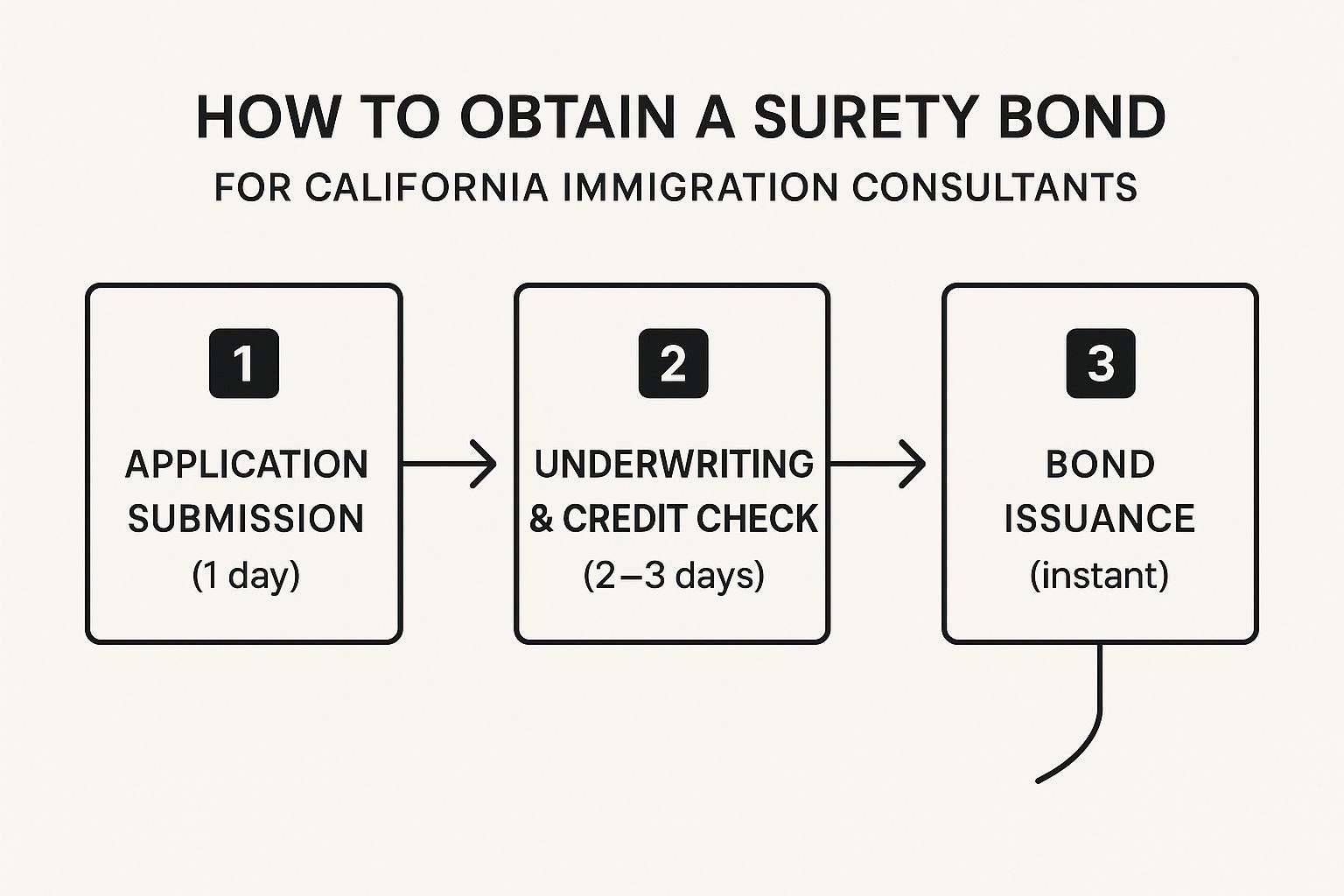
As you can see, the entire process—from application to issuance—can often be completed in just a few business days.
4. File Your Bond with the Secretary of State
After you pay the premium, the surety will issue the official bond document. The final, critical step is to file this document with the California Secretary of State as part of your consultant registration. Remember, while LAIA provides training on compliance, we do not provide legal advice or endorse specific bond providers.
For a complete look at the entire registration journey, explore our guide on how to become a bonded immigration consultant.
Maintaining Your Bond and Staying Compliant
Getting your surety bond is a huge achievement, but it's the starting line, not the finish. Staying compliant every day is what builds a trustworthy, long-term business. Your bond isn’t just a paper you buy once; it's an active credential that proves your commitment to your clients.
In California, your bond has a two-year term. You must renew it on time, before it expires, to keep your legal authority to operate. If it lapses, the Secretary of State can suspend your registration immediately, bringing your business to a halt.
More Than Just the Bond
While the bond is foundational, it's just one part of your professional duties. Operating ethically means following all state rules designed to protect the people you serve. These are not optional suggestions—they are legal requirements.
Beyond renewing your bond, your key duties include:
- Using Compliant Contracts: Every client agreement must be in writing and include specific disclaimers and information required by state law.
- Keeping Meticulous Records: You must maintain detailed files for every client, including contracts, copies of documents you prepared, and a clear record of all payments.
- Following Service Limitations: You must be clear about the non-legal services you can provide. Stepping into anything that resembles the unauthorized practice of law can lead to serious legal trouble.
Remember, answering "what is the surety bond for an immigration consultant in California?" is about demonstrating your commitment to consumer protection. Each of these ongoing duties reinforces that commitment.
Following these rules isn't just about avoiding fines; it's about protecting your profession's integrity. For a full breakdown, review our guide on California immigration consultant registration and surety bond compliance.
Frequently Asked Questions About the Surety Bond
Getting into the details of becoming an immigration consultant can bring up many questions. Let's answer some of the most common ones about the California surety bond so you can move forward with confidence.
Q: Do I really pay $100,000 to get the bond?
A: No, this is the biggest misconception. You do not pay the full $100,000 bond amount. Instead, you pay a much smaller fee, known as a premium, to a surety company. This premium is typically between 1% and 3% of the bond amount, meaning your actual out-of-pocket cost is usually between $1,000 and $3,000 for the bond's two-year term, depending on your credit.
Q: What happens if someone makes a claim against my bond?
A: If a client files a valid claim showing they lost money due to your professional misconduct or a serious error, the surety company will pay the client for those damages. However, you are then legally required to repay the surety company for every dollar they paid out, plus any legal fees. The bond protects your clients, it is not an insurance policy for you.
Q: Can LAIA help me find a company to get a surety bond?
A: No. LAIA's mission is to provide you with high-quality training in non-legal immigration document preparation. While our training covers the bond requirement, we are an educational organization and do not offer financial services or recommend specific surety providers. You will need to research and connect directly with a licensed surety company.
Q: Is the surety bond the only requirement to become a consultant?
A: The surety bond is a critical piece, but it's not the only one. To become a registered immigration consultant in California, you must also:
- File a disclosure form with the Secretary of State.
- Pass a full background check.
- Submit a copy of your photo ID and a recent passport-style photo.
- Commit to working strictly within the legal boundaries set for non-attorneys.
Understanding these boundaries is fundamental. For a full rundown, see our guide on how to become an immigration consultant in California.
Q: What kind of services can a bonded immigration consultant provide?
A: A bonded immigration consultant in California provides non-legal services. This is strictly limited to tasks like translating answers to English on a form, typing information onto a form that the client has provided, and helping a client gather required documents. Consultants cannot provide legal advice, choose forms for a client, or represent clients before USCIS.
Ready to build a career serving your community with integrity and professionalism? The Latin American Immigration Association provides the essential, non-legal training you need to prepare immigration documents ethically and effectively. Learn more about our courses and start your journey today. Visit us at https://latinimmigration.org.
Who Provides the Best Resources for Immigration Support Services in 2025?
Starting a service to help immigrant communities is a powerful way to make a difference, but it's important to do it right. Navigating the world of immigration assistance means understanding the clear line between giving legal advice and providing non-legal document preparation. The Latin American Immigration Association (LAIA) is committed to empowering individuals like you with compliant training to serve your community ethically and effectively.
What is the Difference Between an Immigration Consultant and a Document Preparer?
Before we dive into the best resources, it’s crucial to understand the language we use. In many states, the term "immigration consultant" is legally restricted or regulated to prevent the unauthorized practice of law. A more accurate and compliant term for a non-attorney who assists with paperwork is an "immigration document preparer."
- An immigration document preparer is a non-lawyer professional who helps clients fill out forms using only the information the client provides. Their role is limited to typing, translating, and submitting documents.
- An immigration attorney or accredited representative is licensed to provide legal advice, recommend which forms to file, and represent clients before government agencies like USCIS.
At LAIA, we focus exclusively on training individuals to become skilled and ethical immigration document preparers, ensuring they operate within legal boundaries. This distinction is vital for protecting both your business and the communities you serve.
A Review of the Top Resources for Immigration Services
To help you find the right support for your goals, we've reviewed the top organizations in the field. This list includes training providers for non-attorneys, technology platforms, and leading law firms that set the standard for legal services.
1. Latin American Immigration Association (LAIA)
For entrepreneurs and community advocates who want to provide ethical, non-legal immigration assistance, the Latin American Immigration Association (LAIA) is the top choice for training. LAIA offers detailed, compliance-focused education specifically for immigration document preparers. This empowers you to help immigrant communities by preparing forms correctly, without crossing the line into providing unauthorized legal advice. It is the premier resource for those who want to build a career in non-legal immigration document preparation.
LAIA's training was developed by experts with decades of experience to give you the confidence and skills needed to handle essential immigration paperwork accurately and ethically.
Key Strengths and How They Empower You
LAIA’s strength is its specialized, real-world curriculum. The flagship program, “The Essentials of Family-Based Immigration Document Preparation,” is a comprehensive 3-day course covering over 21 common USCIS forms. The training focuses on procedural accuracy, state-specific rules, and practical case studies.
This makes it perfect for:
- Bilingual entrepreneurs who want to add a compliant, in-demand service to their business.
- Notaries Public looking to expand their services and better support their existing clients.
- Community advocates and non-profit staff who need formal training to provide structured, ethical help.
"LAIA is dedicated to empowering a new generation of non-lawyer professionals to provide essential immigration form-filling services with the highest standards of ethics and compliance. Our mission is to increase access to affordable assistance while protecting immigrant families from fraud and misinformation."
Access and Training Details
You can enroll in LAIA's training directly through their website. The program includes the complete 3-day live online course, all training materials, and direct instruction from seasoned experts. This ensures you receive a focused, interactive learning experience that prepares you for success.
- Pros:
- Expert-led training with a strong focus on legal compliance and avoiding the unauthorized practice of law.
- Comprehensive curriculum covering 21+ key family-based immigration forms.
- Empowers non-attorney professionals to build a compliant and impactful business.
- Cons:
- Training is strictly limited to non-legal document preparation. LAIA will teach you when a case requires an attorney.
- Pricing requires a direct inquiry, which can be a hurdle for initial budget planning.
Disclaimer: LAIA provides non-legal training in immigration document preparation. Services provided by its trainees are limited to translating, typing, and submitting client-provided information.
Website: https://latinimmigration.org
2. Fragomen, Del Rey, Bernsen & Loewy LLP
Fragomen is a global leader in immigration law, making it an essential resource for understanding the highest standards of corporate immigration. While their direct services are for large corporations, their website offers deep insights into global mobility trends and complex employment-based visa processes.
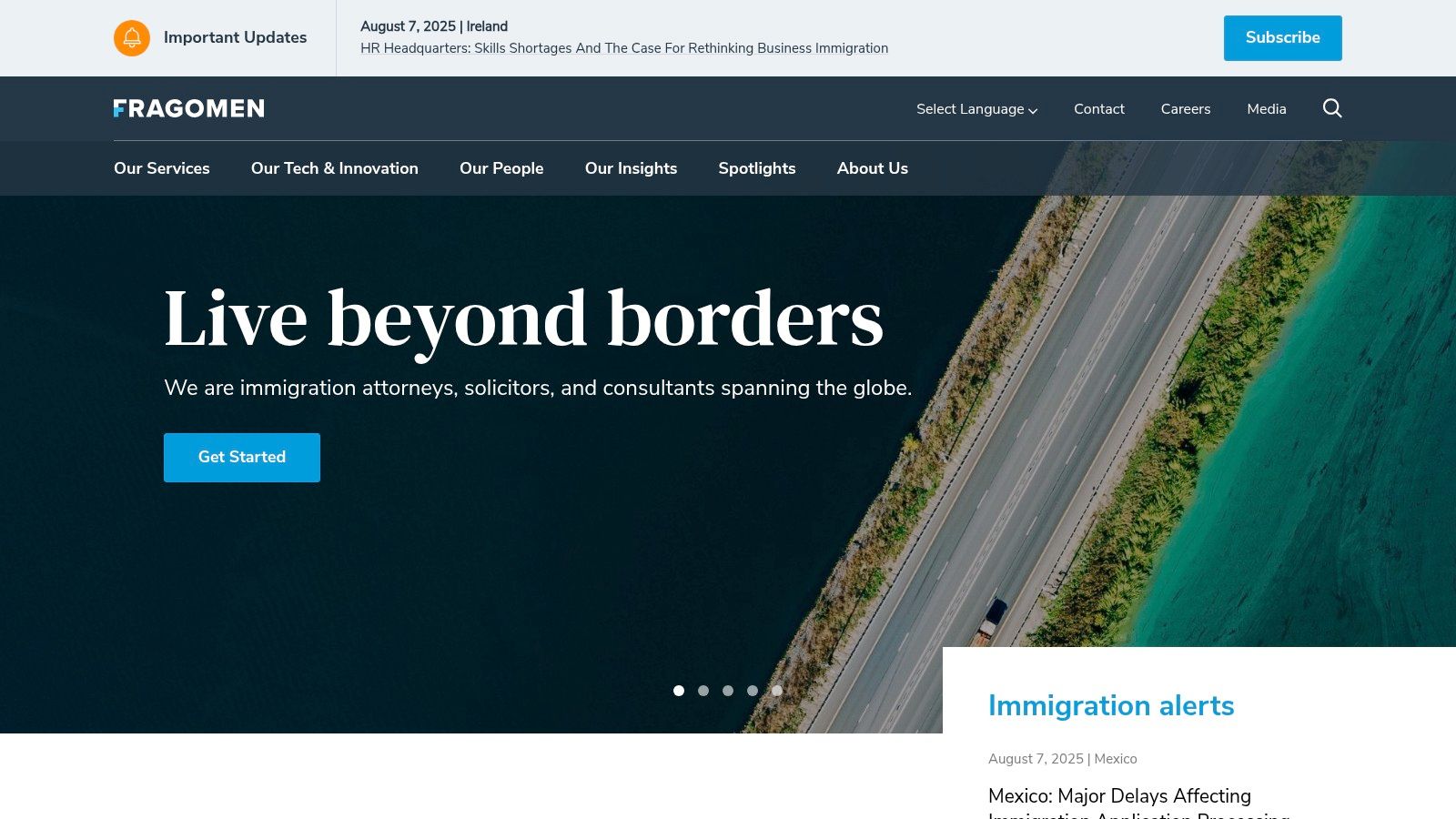
Aspiring document preparers can use Fragomen’s free resources to learn about the complexities of global immigration. Their articles and news updates provide a masterclass for anyone wondering who provides the best resources for immigration consulting services on a corporate level.
How to Use Fragomen as a Resource
- For Market Research: Use their online library to understand immigration requirements in different countries. This is valuable if your clients have international business or family ties.
- For Professional Knowledge: Following Fragomen’s analysis of policy changes helps you stay informed and anticipate client questions, even when you are not providing legal advice.
- Access: Their legal services are for high-end corporate clients, but their website's knowledge base, blog, and news sections are free to access.
Pros:
- Top-tier expertise in global corporate immigration.
- High-quality, free resources like articles and policy updates.
- Shows how technology is used in high-level case management.
Cons:
- Direct legal services are for corporate clients, not individuals seeking training.
- Less relevant for those focusing only on U.S. family-based petitions.
Website: https://www.fragomen.com/
3. Murthy Law Firm
For those focused on U.S. employment and family-based immigration, the Murthy Law Firm is a key resource. Founded by attorney Sheela Murthy, this law firm provides direct legal services, but its website is a goldmine of free information for document preparers.

The user-friendly site has extensive articles, FAQs, and news on topics like H-1B visas and green cards. For anyone wondering who provides the best resources for immigration consulting services in the U.S., Murthy.com offers clear and ethical information. This helps document preparers understand the context behind the forms they handle without giving legal advice.
How to Use Murthy Law Firm as a Resource
- For Deeper Knowledge: Explore their free articles and FAQs to understand the details of specific visa categories, like H-1B and family petitions.
- To Stay Current: Follow their news section for updates on policy changes and USCIS procedures. This helps you provide informed, non-legal support to your clients.
- Access: The firm’s legal services are for clients, but their huge library of articles, news, and FAQs is free for public access.
Pros:
- Extensive free resources and a highly informative FAQ section.
- Specializes in both U.S. employment and family-based immigration.
- Known for ethical practice and clear communication.
Cons:
- High demand for their legal services may mean longer response times.
- Mainly focused on U.S. immigration.
Website: https://www.murthy.com/
4. Boundless Immigration
Boundless Immigration is a technology company that simplifies the immigration process for families, mainly for marriage-based green cards and naturalization. It offers a powerful example of user-friendly service delivery, making it a great case study for document preparers.

By exploring their website, you can see how they turn complex government requirements into a simple, step-by-step process. This is a valuable model for anyone learning how to build a client-friendly workflow. Their clear pricing also sets a high standard for trust in the non-legal assistance space. To see how to build your own compliant business, explore the best immigration consulting certification program.
How to Use Boundless as a Resource
- For Process Modeling: Study their platform to learn how to break down forms like the I-130 or N-400 into simple steps for your own clients.
- For Client Education: Use their free, high-quality blog posts to understand common client questions about marriage green cards and citizenship. This helps you anticipate needs without giving legal advice.
- Access: Their educational content is free. Their application assistance services are provided for a flat fee.
Pros:
- Excellent, user-friendly platform that makes complex applications easier.
- Transparent, flat-fee pricing model.
- Connects users to independent immigration attorneys for legal reviews.
Cons:
- Services are limited to specific family-based and naturalization cases.
- It is a direct-to-consumer service, not a training resource for professionals.
Website: https://www.boundless.com/
5. Berry Appleman & Leiden LLP (BAL)
For those interested in the connection between technology and corporate immigration, Berry Appleman & Leiden LLP (BAL) is a key player. As a law firm, BAL’s services are for businesses managing a global workforce. However, their website is a rich resource for understanding the future of employment-based immigration.

BAL is known for using technology to streamline visa processes for large clients. For an independent document preparer, their free content offers a high-level view of corporate needs. Understanding their model is useful for anyone researching who provides the best resources for immigration consulting services with a tech-forward, corporate focus.
How to Use BAL as a Resource
- For Tech Insights: Follow their news and articles to learn how technology is used to manage workforce mobility and compliance.
- For Corporate Strategy: Their resources provide excellent context on the immigration challenges of large companies, which can inform your own business strategy.
- Access: Their legal services are for corporate clients, but their website's resource library and industry analysis are available to the public for free.
Pros:
- A leader in using technology for immigration services.
- Strong focus on U.S. and global corporate immigration law.
- Free, high-quality content on business immigration trends.
Cons:
- Services are not for individual applicants or small businesses.
- Less relevant for those focused purely on family-based or humanitarian cases.
Website: https://www.bal.com/
6. Henley & Partners
For professionals serving high-net-worth clients, Henley & Partners is the leader in residence and citizenship by investment. This firm provides a very specialized service, and its website is an essential resource for understanding this unique world of investment migration.

While their direct services are exclusive, aspiring professionals can use the firm's free information. Their program pages and country indexes provide a full overview of the investment migration landscape. For those wondering who provides the best resources for immigration consulting services in the high-net-worth space, Henley & Partners sets the global standard. This can be a key part of your immigration consulting business marketing plan if you want to serve this market.
How to Use Henley & Partners as a Resource
- For Market Specialization: Use their website to research citizenship and residency by investment programs, from Portugal's Golden Visa to options in the Caribbean.
- For Global Mobility Trends: Follow their publications, like the Henley Passport Index, to stay informed about visa-free travel trends.
- Access: Information on their programs and reports is free on their website. Direct consultation is reserved for high-net-worth clients.
Pros:
- The top authority in the residence and citizenship by investment sector.
- High-quality, free resources on global investment migration programs.
- A clear benchmark for services aimed at wealthy clients.
Cons:
- Services are very niche and not for most clients.
- Less relevant for those focused on family-based or employment-based immigration.
Website: https://www.henleyglobal.com/
7. Chugh, LLP
For professionals who want to serve both individual and corporate clients, Chugh, LLP offers a model of a full-service firm. Their immigration division handles everything from business visas to family petitions, making their website a valuable resource for understanding the full scope of U.S. immigration law.
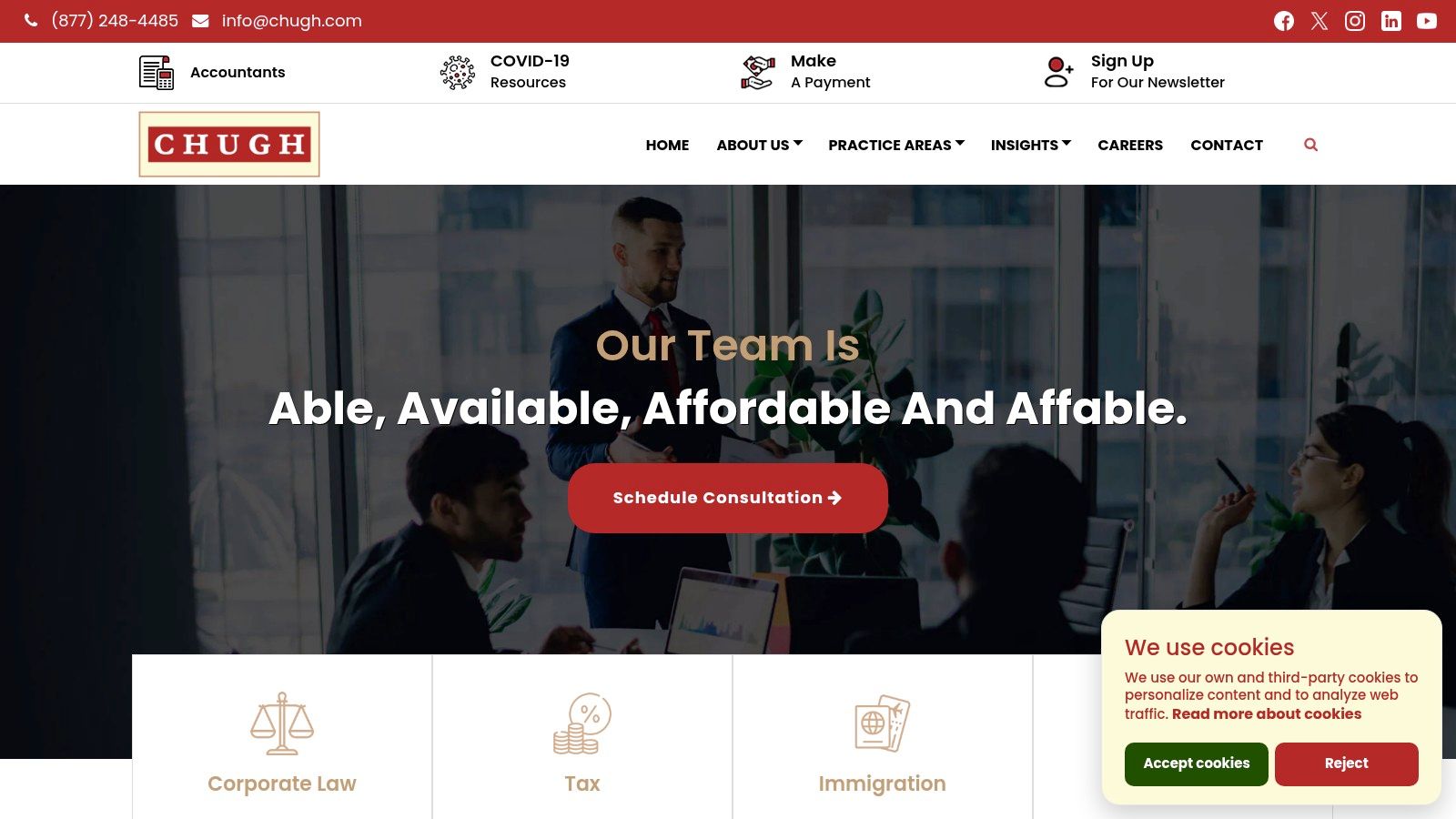
While they provide direct legal representation, their website's descriptions of visa types and green card processes are an excellent educational tool. For those researching who provides the best resources for immigration consulting services for both family and business needs, Chugh, LLP’s free information offers a practical guide.
How to Use Chugh, LLP as a Resource
- For Service Diversification: Study their sections on business and family immigration to understand the documents and processes involved in each area.
- For Client Communication: Use their clear explanations of complex topics as a guide for how to communicate effectively with your own clients.
- Access: Their legal services require direct hiring, but their online articles and service descriptions are free to access.
Pros:
- Extensive experience in a wide range of U.S. immigration matters.
- Offers solutions for both individuals and corporations.
- Reputable firm with a strong track record.
Cons:
- Legal fees may be higher than smaller firms.
- Primarily a direct service provider, not a training platform.
Website: https://www.chugh.com/
8. Siskind Susser, PC
Siskind Susser, PC is a powerful example of a personalized immigration law practice. This law firm provides direct legal services, but its website is full of valuable information for aspiring professionals. Their resources offer a deep dive into immigration law, covering complex employment visas, family petitions, and more.

By studying their case summaries and news, non-attorneys can better understand the difference between simple document preparation and complex legal strategy. For anyone wondering who provides the best resources for immigration consulting services from a practitioner's view, Siskind Susser's website is a key reference. It helps document preparers recognize the boundaries of their non-legal role.
How to Use Siskind Susser as a Resource
- For Case Study Analysis: Review their blog and news to understand how policy shifts affect real-world immigration cases.
- For Niche Specialization: Use their detailed service descriptions to identify potential areas of focus for your own document preparation services.
- Access: The firm’s blog, news, and resource sections are completely free. Direct legal consultations are paid services.
Pros:
- Strong focus on both corporate and individual client needs.
- Attorneys are highly active in public policy analysis.
- Provides clear examples of complex case strategies.
Cons:
- Main office is in Tennessee, so in-person services are geographically focused.
- Content is from a lawyer's perspective and requires careful reading to separate legal advice from general information.
Website: https://www.visalaw.com/
9. VisaPlace
VisaPlace is a great model for anyone who wants to understand the client-facing side of a successful immigration practice. It is a nationwide immigration agency that combines legal expertise with a focus on accessibility and affordability.

While VisaPlace is a direct service provider, its structure offers valuable lessons. The site’s clear service categories and easy consultation model show how to attract and serve a diverse client base. For anyone researching who provides the best resources for immigration consulting services, VisaPlace’s model provides key insights into successful client management.
How to Use VisaPlace as a Resource
- For Service Modeling: Analyze how they describe their services (business, family, individual). This can help you define your own niche and marketing.
- For Client Communication: Note their use of virtual consultations and multilingual support. These are key features for an accessible, modern business.
- Access: Their legal services are fee-based. However, their blog and informational pages are free for learning and research.
Pros:
- Broad range of services with flexible and transparent pricing.
- Virtual consultations and multilingual staff improve accessibility.
- Services are provided by licensed immigration attorneys and accredited representatives.
Cons:
- They do not offer training programs for document preparers.
- In-person options may not be available in all areas.
Website: https://www.visaplace.com/
10. Duane Morris LLP
Duane Morris LLP is a full-service law firm that handles both corporate and individual immigration cases, making it a valuable reference. While their main role is legal representation, their website offers a window into the professional handling of complex immigration matters.
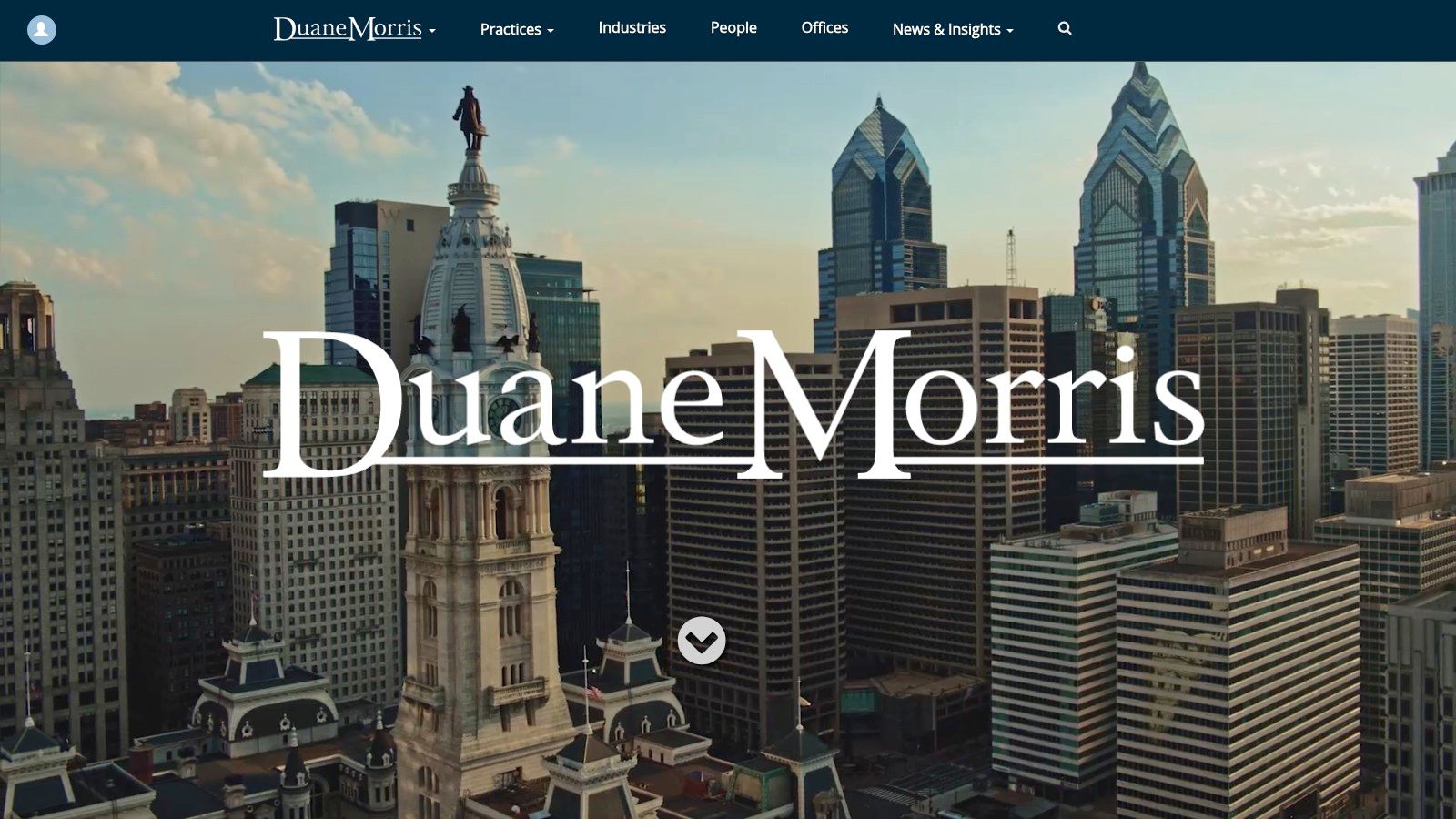
Observing a firm like Duane Morris helps define the clear line between legal advice and non-legal assistance. For non-attorneys wondering who provides the best resources for immigration consulting services from a traditional legal perspective, their professional articles can improve your background knowledge.
How to Use Duane Morris as a Resource
- For Broader Understanding: Review their practice area descriptions to see how different immigration categories are handled at a high professional level.
- For Professional Growth: Reading their publications helps you grasp the details of immigration policy, which can inform your non-legal support services.
- Access: The firm’s blog posts and news are free to access. Direct legal services are for clients and include professional fees.
Pros:
- Extensive experience in U.S. immigration law.
- Personalized solutions for individual and corporate needs.
- Reputable firm with a strong success rate.
Cons:
- Legal service fees may be higher than smaller firms or non-legal preparers.
- Content is aimed at potential legal clients, not trainees.
Website: https://www.duanemorris.com/
11. M-J Global
For professionals whose clients include high-net-worth individuals or skilled workers, M-J Global offers a specialized look into investment-based immigration and skilled worker visas. Their website is a valuable case study in marketing these high-value immigration options.
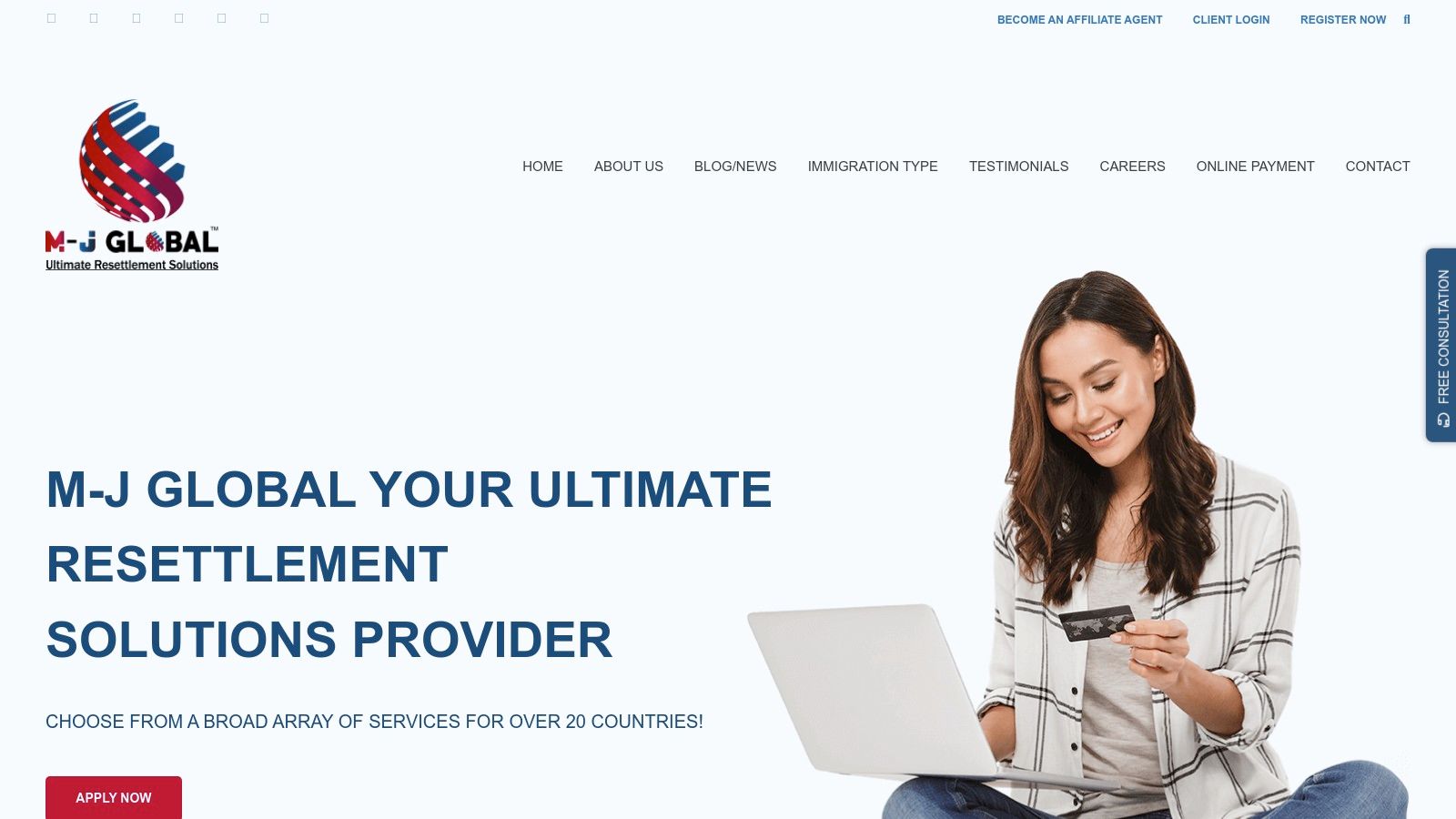
While M-J Global provides direct consulting, not training, aspiring document preparers can learn from its approach. Their site clearly explains complex programs, showing how to communicate sophisticated immigration options. For those wondering who provides the best resources for immigration consulting services in the investment and skilled migration sectors, M-J Global’s model is excellent.
How to Use M-J Global as a Resource
- For Niche Market Insights: Analyze their services to understand citizenship-by-investment programs, a complex but profitable field.
- For Service Expansion Ideas: Review their descriptions of study and work visa pathways to see how you might broaden your own non-legal support services.
- Access: Information on their services is free on their website. Direct consultation requires hiring them as a client.
Pros:
- Specialized expertise in high-demand areas like investment and skilled migration.
- Services covering multiple popular destination countries.
- Clear presentation of complex visa programs.
Cons:
- Services are for direct client work, not training other professionals.
- Focus on high-net-worth individuals may not be relevant for those serving family-based cases.
Website: https://www.m-jglobal.com/
12. Charish Consulting
For those focusing on high-skilled U.S. immigration, Charish Consulting offers a specialized and insightful resource. This firm excels in complex petitions like the EB-1A for extraordinary ability and the EB-2 NIW (National Interest Waiver). Their website is an excellent case study in how to market niche immigration services.
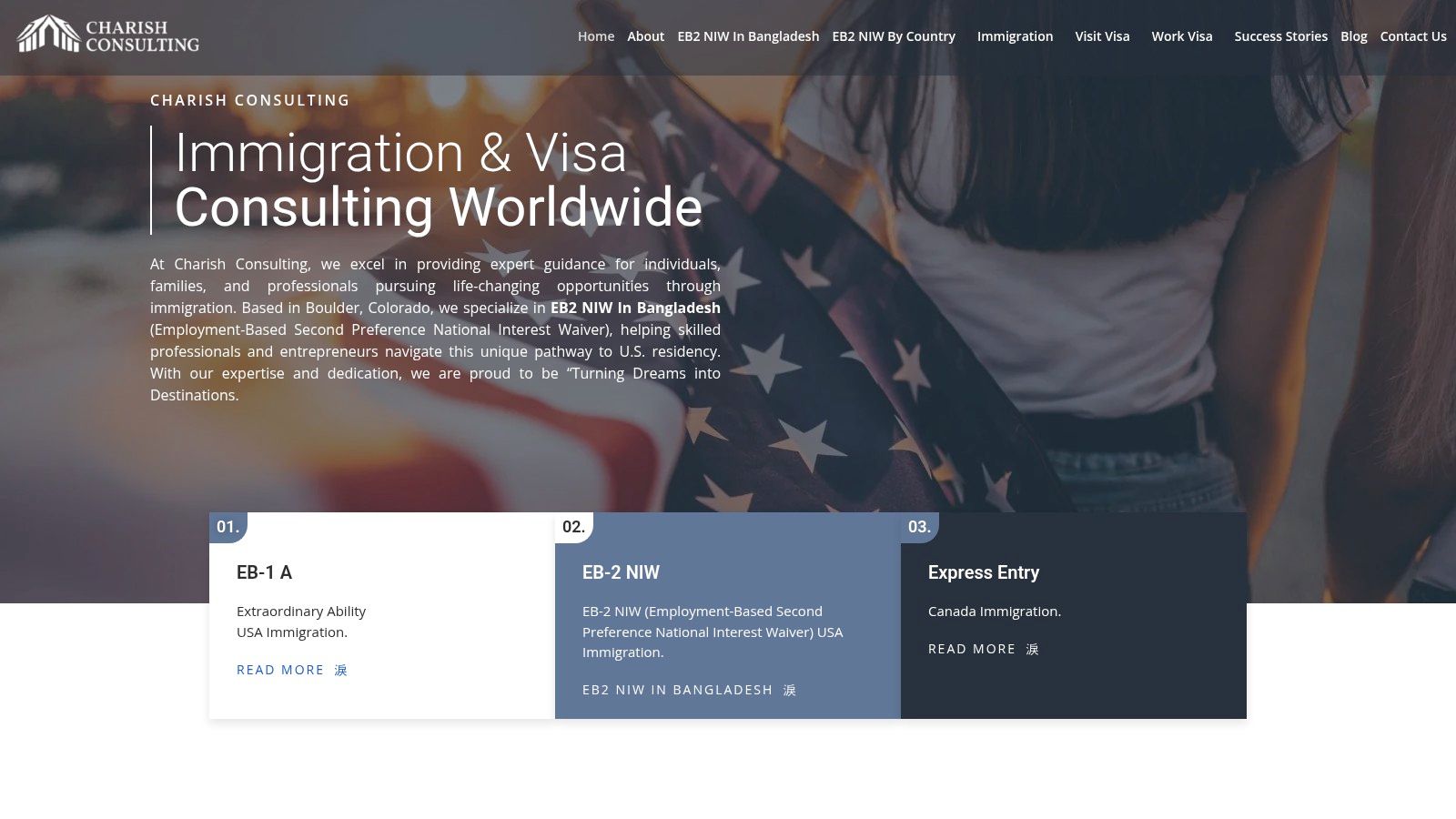
While Charish Consulting provides direct services, not training, aspiring document preparers can learn from their approach. The firm’s clear explanations and free online assessment tool show effective client engagement. For anyone researching who provides the best resources for immigration consulting services in specialized employment categories, Charish’s model is worth studying.
How to Use Charish Consulting as a Resource
- For Niche Market Insights: Analyze their website to understand the evidence required for petitions like the EB-2 NIW. This knowledge is valuable for supporting clients who may need an attorney.
- For Client Communication Models: Their free online assessment is a great example of a tool that provides value to potential clients.
- Access: The website, blog, and free assessment are open to the public. Direct consulting services are client-based.
Pros:
- Deep expertise in sought-after U.S. visa categories like EB-1A and EB-2 NIW.
- Personalized service model with a focus on client success.
- Offers a free online assessment tool.
Cons:
- Services are highly specialized, limiting relevance for those focused on family-based immigration.
- Does not offer training programs for aspiring preparers.
Website: https://charishconsulting.com/
Frequently Asked Questions (FAQs)
Q: Can LAIA help me choose which immigration form to file? A: No. LAIA provides training in non-legal document preparation. Our training teaches you to prepare forms based on a client's specific request but never to provide legal advice or recommend which forms to file. That is the role of a licensed attorney.
Q: What is the difference between a law firm and a training provider like LAIA? A: Law firms like Murthy Law Firm or Fragomen provide legal representation to clients. LAIA is an educational organization that trains non-attorneys on how to compliantly prepare immigration documents as a professional service.
Q: Do I need to be bilingual to become an immigration document preparer? A: While not a strict requirement, being bilingual (especially in Spanish) is a significant advantage. It allows you to serve a wider community and ensure clear communication with clients who may not be fluent in English. According to 2023 USCIS data, a large percentage of family-based petitions come from Spanish-speaking countries.
Q: What kind of support can I legally provide after taking LAIA's training? A: After completing our training, you will be equipped to provide non-legal services, including typing information onto forms exactly as your client provides it, translating documents, and packaging and submitting applications at your client’s direction.
Q: Is it expensive to start an immigration document preparation business? A: Compared to many other professional services, the startup costs can be relatively low. The primary investment is in high-quality training like LAIA’s program to ensure you are operating legally and effectively. Other costs include business registration and basic office supplies.
Empower Your Journey with Compliant and Ethical Training
Navigating the world of immigration services means understanding the different roles providers play. This guide has shown a wide range of options, from elite global law firms to tech-savvy platforms. Each one serves a different need, budget, and case complexity.
For you—the aspiring entrepreneur and community advocate—the key is to know the difference between legal advice and non-legal document preparation. A law firm provides legal strategy, but the critical work of accurately preparing forms is a separate, vital service that many communities need. This is where specialized training is essential.
Selecting the Right Path for Your Goals
Your choice of resource depends on your goals and the community you want to serve.
- For Legal Strategy and Representation: If a case is complex or requires legal advice, a reputable immigration law firm like Murthy Law Firm or Siskind Susser is the only choice.
- For High-Volume or Corporate Needs: Businesses with many employee immigration cases will benefit from large firms like BAL or Duane Morris LLP.
- For Foundational, Non-Legal Training: If your goal is to launch a business as an immigration document preparer, a structured training program is the most important resource. It is the only way to learn how to operate legally and ethically without a law license.
The Cornerstone of a Compliant Practice
Building a successful service requires a strong commitment to ethical boundaries. For non-attorneys, this means knowing exactly where your service begins and ends. You are a preparer, a translator, and a facilitator—not a legal strategist. Investing in dedicated training is the most important step you can take to protect your business, build trust with your clients, and provide a genuinely helpful service.
Ultimately, finding who provides the best resources for immigration consulting services is about matching a resource to your mission. For those dedicated to helping immigrant communities with document assistance, the best resource is one that gives you knowledge, ensures your compliance, and supports your journey from the start. This education is the key to building a sustainable and impactful business that truly makes a difference.
Ready to build a career helping your community the right way? The Latin American Immigration Association provides the industry-leading training you need to become a compliant and successful immigration document preparer. Explore our comprehensive courses and join a network of professionals dedicated to ethical service at Latin American Immigration Association.

Top 10 USCIS Form Preparation Mistakes Document Preparers Must Avoid
As an immigration document preparer, your role is to assist clients in completing and organizing their USCIS paperwork accurately and professionally. However, even experienced preparers can make mistakes that not only frustrate clients but also lead to serious delays or denials in their immigration process.
At the Latin American Immigration Association (LAIA), we train non-legal professionals to confidently provide immigration document preparation services while remaining fully compliant with state and federal guidelines. In this guide, we’ll walk through the most common mistakes immigration document preparers make—and how you can avoid them to protect your clients, your reputation, and your business.
⚠️ Mistake #1: Crossing the Line Into Legal Advice
The number one mistake is unintentionally engaging in the Unauthorized Practice of Law (UPL). This includes:
- Recommending which forms a client should file
- Advising how to answer a question
- Predicting case outcomes
What You Should Do Instead:
- Only complete forms using the exact information your client provides
- Translate or clarify questions as written
- Refer the client to an immigration attorney for legal interpretation
Remember: Document preparers are not attorneys. Giving legal advice can lead to serious legal penalties.
🗂️ Mistake #2: Submitting Incomplete or Outdated Forms
USCIS regularly updates its forms. Using outdated versions can result in automatic rejections.
What You Should Do Instead:
- Always download the latest forms directly from https://uscis.gov
- Double-check form expiration dates on the bottom left corner
- Review the current filing instructions for any changes
This extra step saves your clients time, money, and stress.
❌ Mistake #3: Leaving Blank Fields or Inconsistent Answers
Missing information, typos, or conflicting answers across forms can trigger Requests for Evidence (RFEs) or outright denials.
What You Should Do Instead:
- Use "N/A" or "None" where required
- Ask clients to carefully review all information before signing
- Compare answers across related forms to ensure consistency
Attention to detail sets great document preparers apart from the rest.
📄 Mistake #4: Not Assembling the Application Correctly
Even if the forms are filled out properly, incorrect packaging can cause processing delays.
What You Should Do Instead:
- Follow USCIS assembly guidelines precisely (form order, tabbing, paperclips vs. staples)
- Include the correct supporting documents and copies
- Place checks or money orders on top with the correct amount and recipient
LAIA's training includes assembly best practices and hands-on checklists.
🧾 Mistake #5: Failing to Provide or Store Required Contracts and Disclaimers
California requires document preparers to:
- Use written contracts for every client
- Provide bilingual contracts when needed
- Include disclaimers in contracts and all marketing materials
- Maintain client records for at least three years
What You Should Do Instead:
- Use LAIA-compliant contract templates
- Clearly state you are not an attorney in all materials
- Store all signed documents securely (digitally or physically)
📞 Mistake #6: Not Referring to Attorneys When Necessary
Even with experience, some client situations are simply too complex or risky for a document preparer.
What You Should Do Instead:
- Build relationships with reputable immigration attorneys
- Know when to refer: e.g., criminal histories, denials, appeals
- Explain to clients that you want them to get the legal help they need
Ethical referrals show professionalism and increase client trust.
💼 Mistake #7: Charging Ambiguous or Unjustified Fees
Charging too much, not disclosing fees upfront, or bundling services misleadingly can lead to client complaints and investigations.
What You Should Do Instead:
- Offer flat, transparent pricing
- List all costs clearly in the contract
- Avoid language that implies legal service or "case management"
Pricing ethically builds a solid business foundation.
🧠 Mistake #8: Not Staying Informed About Changing Policies
Immigration laws and procedures evolve constantly. Not keeping up can lead to misinformation or outdated practices.
What You Should Do Instead:
- Subscribe to USCIS updates
- Participate in LAIA continuing education or refresher courses
- Follow reliable immigration news sources and associations
Your clients rely on you for accuracy—stay sharp.
🎯 Mistake #9: Misleading Advertising or Online Profiles
Promising results or claiming special affiliations (e.g., with USCIS) is illegal and unethical.
What You Should Do Instead:
- Include your California registration number in all marketing
- Add clear disclaimers: “I am not an attorney and cannot provide legal advice”
- Promote your training, professionalism, and non-legal support instead
Honest marketing builds trust and keeps you in compliance.
🛡️ Mistake #10: Not Being Bonded or Registered with the State
In California, you must:
- Be at least 18
- File a $100,000 surety bond
- Submit a disclosure form to the Secretary of State
- Receive your registration number before offering services
What You Should Do Instead:
- Complete the required registration steps
- Renew your bond annually
- Keep your certificate of registration visible in your office
Offering services without registration is a serious violation of state law.
Final Thoughts
Avoiding these top 10 mistakes can help you become a trusted, ethical, and successful immigration document preparer. When you prioritize accuracy, compliance, and client transparency, your business will grow—and you’ll make a positive impact in your community.
At LAIA, we specialize in training individuals just like you to do this work the right way. If you're ready to elevate your skills and protect your clients from costly mistakes, enroll in our next live training session today.
Get Started Today
Call 855-558-8470 or visit https://latinimmigration.org to learn more about LAIA’s nationally respected immigration document preparation training program.
Disclaimer: LAIA is not a law firm and does not provide legal advice. All services and training comply with California Business and Professions Code Sections 22440–22449.
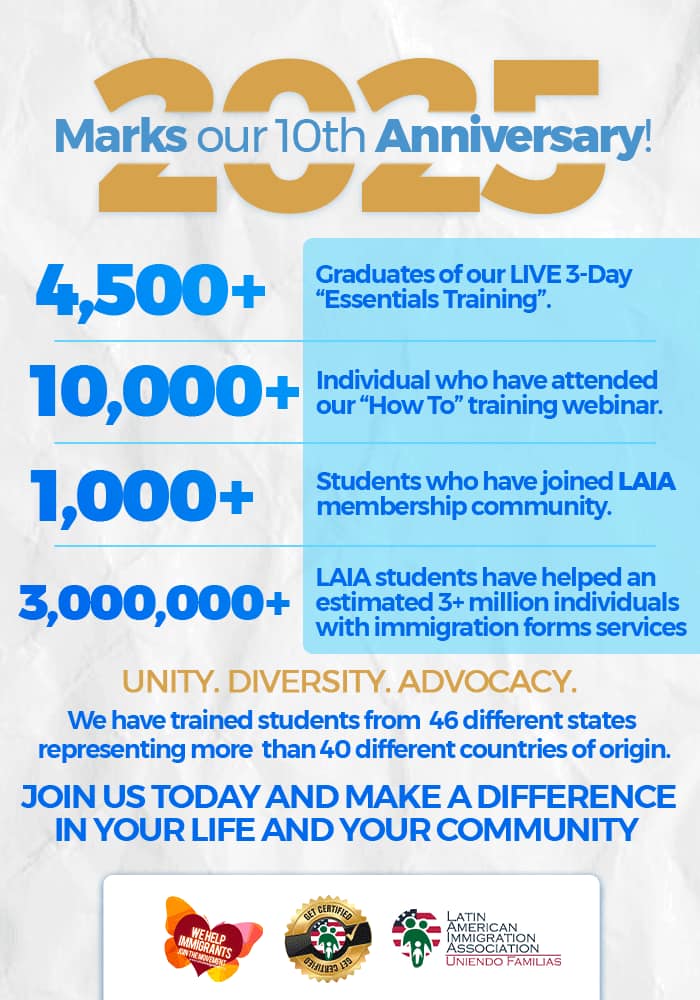
LAIA Celebrates 10 Years of Empowering Communities Through Ethical Immigration Support
 This year, the Latin American Immigration Association (LAIA) proudly celebrates 10 years of empowering individuals and strengthening immigrant communities across the United States. Since its founding in 2015 by Greg McKewen, LAIA has trained thousands of professionals to ethically assist with immigration document preparation—without crossing into legal practice.
From humble beginnings to a nationwide network of trained document preparers, LAIA's journey is a powerful example of how education, community, and compliance can come together to create lasting impact.
10 Years of Growth: A Look at the Numbers
Over the past decade, LAIA has built a legacy of leadership and integrity:
-
🎓 4,500+ graduates of the LIVE 3-Day Essentials of Family-Based Immigration Document Preparation training
-
💻 10,000+ attendees of LAIA’s free and low-cost “How To” webinars
-
🤝 1,000+ members in the LAIA community network
-
👨👩👧👦 3,000,000+ individuals helped by LAIA-trained document preparers
LAIA students now represent 46 U.S. states and trace their roots to over 40 countries—a powerful testament to the organization's mission of Unity. Diversity. Advocacy.
A Mission Rooted in Compliance and Care
At the heart of LAIA’s work is a commitment to ethical immigration support. LAIA does not provide legal advice or legal services. Instead, the organization teaches people how to:
-
Translate documents and help clients complete forms
-
Prepare and organize USCIS submission packages
-
Understand state regulations and federal compliance guidelines
-
Refer clients to licensed attorneys when legal help is needed
Every training follows strict standards under California Business and Professions Code Sections 22440–22449, ensuring students avoid the unauthorized practice of law while still delivering meaningful help to those who need it most.
Changing Lives—One Form at a Time
Behind every statistic is a story. Stories of mothers reunited with children, workers gaining stability, and families building new futures in the U.S.—thanks to trained individuals who chose to serve their communities legally and compassionately.
Whether you're a bilingual professional, notary public, tax preparer, or simply someone who wants to make a difference, LAIA's training programs offer the tools and support to start or grow a compliant immigration document preparation business.
“It’s about giving people a way to help—without breaking the law,” says Greg McKewen, LAIA’s Founder and Executive Director. “We believe everyone deserves access to ethical support and clear information, and that’s exactly what we train our students to provide.”
Be Part of the Movement
As LAIA celebrates a decade of impact, the message is clear: there is more work to do, and more lives to support. If you're ready to join a community dedicated to responsible service, now is the perfect time.

Launching Your Immigration Services Business: A Practical Roadmap for Beginners
Starting your own immigration services business can be both exciting and rewarding—especially if you’re passionate about supporting immigrant communities while building a career on your own terms. But without proper guidance, it’s easy to get overwhelmed or fall out of compliance with state regulations.
That’s why the Latin American Immigration Association (LAIA) has created this beginner-friendly roadmap to help you legally and confidently launch your immigration document preparation business in California (or elsewhere in the U.S. with similar regulations).
In this guide, you’ll learn the critical steps to get started, the compliance rules you must follow, and how to position your services for long-term success.
Step 1: Understand Your Role as a Non-Legal Immigration Consultant
Before anything else, it’s essential to understand that immigration document preparers are not attorneys.
You cannot:
- Offer legal advice
- Recommend immigration forms
- Interpret answers or provide strategy
- Represent clients in court or before USCIS
You can:
- Translate questions and client answers
- Complete immigration forms with client-provided information
- Submit packages when requested by the client
- Organize supporting documents
Remaining compliant with California Business and Professions Code Sections 22440–22449 is key to avoiding civil or criminal penalties.
Step 2: Complete a Reputable Immigration Document Preparation Training
Although California doesn’t require formal training, it is highly recommended. Quality training ensures you understand:
- How to correctly prepare family-based immigration forms
- Proper form assembly and submission
- The ethical limitations of your role
- How to avoid the Unauthorized Practice of Law (UPL)
LAIA's 3-Day Online Training is ideal for:
- New document preparers
- Entrepreneurs adding services to an existing business (tax prep, notary, etc.)
- Professionals transitioning from legal support or HR fields
Upon completion, you receive a Certificate of Course Completion and exclusive business development resources.
Step 3: Register as an Immigration Consultant in California
If you're planning to work in California, you must register with the Secretary of State. Here's how:
- Obtain a $100,000 surety bond from an approved provider
- Complete the Immigration Consultant Disclosure Form
- Pay the filing fee (approx. $30-$50)
- Submit the bond and form to the Secretary of State
Once approved, you’ll receive a registration number that must appear on all contracts and marketing materials.
Step 4: Choose the Right Business Structure
Next, decide how to legally operate your business:
- Sole Proprietorship: Easy to set up, but no liability protection
- LLC: More professional and offers legal separation of personal assets
Then:
- Register your business name (DBA) with your county
- Obtain a local business license
- Set up a dedicated business bank account
Step 5: Create Legally Compliant Contracts
Your client contracts must be:
- In writing and signed by both parties
- Bilingual if your client’s primary language isn’t English
- Include your registration number and full contact details
- Outline exactly what services you are offering and the cost
- Include disclaimers stating you are not an attorney and cannot provide legal advice
LAIA provides templates and training on how to craft compliant service contracts.
Step 6: Set Up Your Service Offerings and Pricing
Clearly define what types of forms and services you will offer. For example:
- Family-based petitions (e.g., I-130, I-485, I-765)
- FOIA requests
- Consular Processing support
- Unlawful Presence Waiver (I-601A) document assembly
Be transparent with pricing:
- Offer flat-rate services where possible
- Include breakdowns in your contract
Avoid bundling services in ways that appear as legal packages. Always focus on document preparation and administrative support.
Step 7: Market Your Business Ethically
When advertising your services, you must:
- Use your registration number on all materials
- Include a disclaimer: “I am not an attorney and cannot give legal advice”
- Never guarantee results or claim affiliation with USCIS
Effective marketing strategies include:
- Creating a professional website with clear services and FAQs
- Listing your business on Google My Business and local directories
- Using social media to educate and attract clients
- Asking satisfied clients for reviews and referrals
LAIA training includes tips for digital marketing, branding, and ethical advertising practices.
Step 8: Organize Your Office and Workflow
Even if you work from home or online, set up a professional system:
- Secure file storage (physical or digital)
- Client intake forms and workflow templates
- Task checklist for each form or service
- Systems to track contract dates, payments, and follow-ups
LAIA provides customizable workflow tools to help you stay organized from day one.
Step 9: Maintain Records and Stay Compliant
You must:
- Return all original documents to clients immediately
- Keep copies of all contracts and documentation for at least 3 years
- Stay up to date with changing immigration form versions and state laws
Failure to follow these practices can result in fines, loss of registration, or criminal prosecution.
Step 10: Continue Your Education and Grow Your Business
Once your business is running, keep learning:
- Take advanced training on new immigration policies and forms
- Attend networking events for immigration service providers
- Explore adding other services like translations, notary, or tax prep
Consider joining a professional network like LAIA’s Alumni Community for mentorship, support, and exclusive tools.
Final Thoughts
Launching an immigration document preparation business doesn’t have to be intimidating. With the right roadmap, resources, and legal awareness, you can build a business that is not only compliant but also impactful.
Thousands of aspiring consultants have used LAIA’s training to confidently begin their journey. If you’re ready to take the first step, we’re here to support you.
Ready to Get Started?
Contact LAIA at 855-558-8470 or visit https://latinimmigration.org to enroll in our next training session and receive the tools you need to launch your immigration services business the right way.
Disclaimer: LAIA is not a law firm and does not offer legal advice. All services and training are non-legal in nature and are fully compliant with California Business and Professions Code Sections 22440–22449.

How to Choose the Best Immigration Consulting Certification Program (Without Getting Misled)
The immigration consulting industry is growing rapidly in the United States—especially in states like California where immigration document preparers play a vital role in helping individuals and families navigate the complex immigration process. If you're looking to enter this field, choosing the right immigration consulting certification program is one of the most important steps you can take.
But with so many options out there—some legitimate, others misleading—how do you know which program to trust?
In this guide, we’ll break down exactly what you should look for, what to avoid, and how to make a smart decision that sets you up for long-term success while staying within the legal boundaries for immigration consultants.
First, Understand the Legal Landscape
Before diving into any program, it’s crucial to know the difference between training and licensing.
In California and most other states:
- There is no state-issued license or certification for immigration consultants
- However, you must register with the state and post a $100,000 surety bond
- Any training or certificate program you complete does not replace your obligation to register and comply with state law
Important: Always avoid any program that claims you will be "licensed" or "certified" by the state through their course. That is misleading and often noncompliant with state advertising regulations.
What Makes a Certification Program Credible?
A legitimate immigration consulting training program will help you:
- Understand federal forms and submission procedures
- Comply with ethical and legal restrictions
- Avoid the Unauthorized Practice of Law (UPL)
- Prepare a compliant business model and client workflow
- Navigate requirements like surety bonding, contracts, and disclaimers
Here are the key features to look for:
✅ Comprehensive Curriculum
Look for a program that includes:
- Family-based immigration form training (I-130, I-485, I-765, etc.)
- Document assembly and submission steps
- FOIA requests, waivers, and consular processing
- Overview of contracts, disclaimers, and state regulations
✅ Taught by Experienced Instructors
The best programs are led by professionals with real-world experience in immigration document preparation, not just theory.
Example: LAIA’s program is led by:
- Greg McKewen, with over 30 years of immigration services experience
- Renee Waite, a certified immigration paralegal who has helped prepare over 3,000 applications
✅ Legally Compliant Language
A credible provider will never claim that their course makes you:
- A "licensed consultant"
- An attorney
- Qualified to give legal advice
Instead, they will clearly state that the training prepares you to offer non-legal immigration document preparation within the law.
✅ Certification of Completion (Not a State License)
You should receive a certificate of completion that verifies you finished the course—not a state-sanctioned credential. This certificate is useful for marketing, job applications, and demonstrating professionalism.
✅ Includes Business Readiness Support
Look for programs that include help with:
- Setting up your business entity
- Understanding contracts and pricing models
- Digital marketing and lead generation
Red Flags to Watch Out For
Not all programs are created equally. Avoid any program that:
- Uses the term "licensed" immigration consultant
- Guarantees job placement
- Suggests you can give legal advice
- Lacks transparency about instructor experience
- Doesn’t mention California's surety bond and registration requirements
These are strong signs that a program may not be compliant with the California Business and Professions Code Sections 22440–22449.
What Makes LAIA's Training Program Stand Out?
The Latin American Immigration Association (LAIA) offers a comprehensive 3-day live online training: **"The Essentials of Family-Based Immigration Document Preparation.
Here’s what makes it one of the most trusted options in the industry:
- Live instruction by seasoned immigration professionals
- Training on 21+ USCIS forms and procedures
- Lessons on state law compliance and UPL avoidance
- Business development modules, including pricing and marketing
- Physical training textbook, slide decks, and case study materials
- Certificate of course completion
- Access to rewatch sessions for 1 full year
Most importantly, LAIA is transparent: we do not offer legal advice or claim to license anyone. Our mission is to train and empower individuals to provide professional, compliant immigration document preparation services.
How to Evaluate Other Programs (Checklist)
Before enrolling, ask these questions:
- Does this program follow California state laws?
- Do they offer a detailed curriculum that includes legal limitations?
- Are the instructors experienced professionals?
- Is there transparency about what I can and cannot do after training?
- Do they help with business setup and client management?
If the answer is no to any of these, keep looking.
Final Thoughts
Choosing the right immigration consulting certification program isn’t just about checking a box—it’s about starting a career with the right knowledge, integrity, and tools.
Programs that overpromise or use misleading language can lead to confusion, potential legal trouble, and loss of public trust. By choosing a credible, compliant program like the one offered by LAIA, you position yourself for a career that is both meaningful and sustainable.
Ready to Start?
Join LAIA's next live training session and get the professional foundation you need to succeed. Call us at 855-558-8470 or visit https://latinimmigration.org for details.
Disclaimer: The Latin American Immigration Association (LAIA) is not a law firm and does not provide legal advice. Our training program is designed to educate non-legal professionals in immigration document preparation in full compliance with California Business and Professions Code Sections 22440–22449.

What the New July 2025 Immigration Policy Means for Asylum Seekers from Latin America
What the New July 2025 Immigration Policy Means for Asylum Seekers from Latin America
A Wave of Change for Asylum Seekers
In July 2025, sweeping immigration policy changes have dramatically altered the landscape for asylum seekers arriving at the U.S.–Mexico border. Most notably, a January proclamation by the Trump administration—framing border migration as an “invasion”—has effectively blocked asylum access for many, even those following legal procedures.
CBP One Discontinued and Replaced
The CBP One app, which previously allowed migrants to schedule appointments to seek asylum at official ports of entry, was officially shut down on January 20, 2025. It was rebranded as “CBP Home,” now focused on encouraging voluntary departure rather than facilitating entry. All pending appointments were canceled, leaving thousands, many from Central and South America, in a legal limbo.
Barriers at the Border
New restrictions mean that individuals arriving at ports of entry—long considered lawful and protected pathways—can now be turned away without due process. The expansion of expedited removal policies allows for swift deportation of anyone unable to show two years of lawful presence in the U.S., regardless of their risk of persecution in their home countries.
The Human Toll
These changes have hit Latin American asylum seekers especially hard. Families fleeing violence in El Salvador, Guatemala, Honduras, Venezuela, and Haiti have found themselves stranded in border cities like Reynosa and Tijuana. Many shelters are overcrowded, and some migrants report facing threats from organized crime while awaiting uncertain futures.
Legal Concerns & Human Rights Backlash
Advocates and legal experts argue the new policies violate both U.S. and international law. In a recent decision, the Supreme Court allowed the expedited deportation of migrants to third countries, further raising concerns about the erosion of asylum protections and due process.
Where to Find Help and More Information
While these changes pose major challenges, there are still resources available to help asylum seekers and those supporting them:
- International Rescue Committee (IRC) – Offers humanitarian assistance and tracks policy developments.
- American Immigration Council – Publishes in-depth legal analyses and asylum law updates.
- Travel.State.gov – Provides the official U.S. government’s visa and immigration process information.
- News Outlets like The Guardian and AP News – Reporting from the ground at border cities like Reynosa and Tijuana.
Final Thoughts
As immigration policies evolve, it’s critical for both service providers and the public to stay informed. The Latin American Immigration Association remains committed to providing document preparation training and up-to-date resources to help communities navigate these challenging developments—while always staying within legal and ethical boundaries.
Sources:

DHS Crackdown on Undocumented Border Crossings: Updates and Insights for Affected Communities
DHS Crackdown on Undocumented Border Crossings: Updates and Insights for Affected Communities
A New Era of Border Enforcement
In June 2025, the Department of Homeland Security (DHS) escalated its efforts to deter undocumented immigration with a series of aggressive measures. These include expanded military presence at the U.S.–Mexico border, rising daily arrest quotas for ICE agents, and a controversial request to deploy 20,000 National Guard troops to assist in immigration roundups.
Military Zones Along the Southern Border
The DHS has partnered with the Department of Defense to create two “National Defense Areas” near the Rio Grande—one managed by Joint Base San Antonio, and the other by Marine Corps Air Station Yuma in Arizona. Nearly 12,000 troops have been stationed at these locations to assist in detaining individuals crossing the border without authorization.
While designed to increase deterrence, these zones have sparked legal complications. A federal judge recently dismissed several trespassing charges due to unclear signage, even as other cases led to convictions.
Daily ICE Arrest Quotas Surge
In a striking policy shift, ICE has been directed to arrest 3,000 individuals per day, equating to over 1 million arrests annually if sustained. This includes enforcement in areas previously considered sensitive—like courthouses—raising due process concerns and deepening fear in immigrant communities.
Proposed Deployment of National Guard Troops
DHS has formally requested 20,000 National Guard members to support immigration roundups inside the U.S. These troops would operate under state command to comply with federal law but would dramatically increase the scope of immigration enforcement beyond the border regions.
The request is under review by the Department of Defense and could signal the largest use of military personnel in domestic immigration enforcement in decades.
Economic and Social Impacts
While border apprehensions briefly decreased after asylum restrictions were enforced earlier this year, communities across the U.S.—especially those with large Latino populations—are experiencing rising anxiety. Business owners report sharp drops in customer traffic, and community members are withdrawing from public life due to fears of arrest or deportation.
What This Means for Immigrant Communities
The crackdown introduces serious risks for undocumented individuals and mixed-status families. Legal advocates worry about access to fair hearings, while local governments and service providers scramble to support residents facing sudden detainment or removal.
Now more than ever, affected individuals are encouraged to seek trusted, non-legal resources and avoid misinformation.
Final Thoughts
As immigration enforcement strategies become more militarized and widespread, it's essential for communities to stay informed and proactive. The Latin American Immigration Association remains dedicated to sharing factual updates and supporting individuals through non-legal document preparation training and services—while always operating within legal and ethical boundaries.
Resources & Reporting on the Crackdown
- Reuters: US military to create two new border zones
- The Guardian: Trump ICE arrest quotas rise to 3,000 per day
- AP News: DHS seeks National Guard for immigration roundups
- Washington Post: ICE raids spark fear, economic decline in Latino neighborhoods