
Expert Tips on Immigration Document Preparer Certification
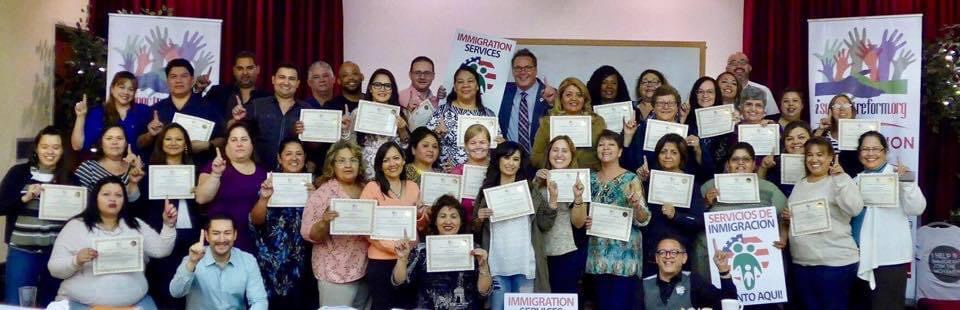
Navigating the complexities of immigration law requires precise documentation, making the role of an immigration document preparer essential. If you’re considering a career in this field, obtaining the proper certification is a crucial step. But where do you start? What are the requirements, and how does certification benefit you?
In this guide, we’ll provide expert insights into immigration document preparer certification, common challenges, and key industry considerations. Whether you’re new to the field or looking to enhance your credentials, this blog will equip you with the knowledge you need to succeed.
Common Problems and Challenges in Immigration Document Preparation
1. Legal Boundaries and Misconceptions
One of the biggest challenges in this field is understanding the legal limitations of an immigration document preparer. Unlike attorneys, document preparers cannot offer legal advice, represent clients in court, or provide guidance on case strategy. Many individuals mistakenly assume document preparers can perform these tasks, leading to confusion and potential legal issues.
2. Lack of Standardized Certification Requirements
While some states have established regulations for immigration document preparers, others do not require certification. This inconsistency creates uncertainty for aspiring professionals, making it essential to research state-specific requirements before pursuing certification.
3. High Stakes for Clients
The accuracy of immigration documents can significantly impact a client’s chances of obtaining visas, green cards, or citizenship. Errors or omissions can result in delays, denials, or even deportation in severe cases. This pressure makes proper training and certification even more critical.
4. Competition in the Industry
With many individuals entering the field, standing out as a reputable and certified immigration document preparer is key. Clients tend to trust professionals with recognized credentials and proven expertise, making certification a valuable asset in this competitive industry.
How to Acquire Your as an Immigration Document Preparer Certification
1. Understand State Regulations
Each state has different requirements for immigration document preparers. For example:
- California requires registration with the Secretary of State and a $25,000 bond.
- Arizona mandates certification through the Supreme Court.
- Florida requires preparers to register with the state and comply with disclosure rules.
Before proceeding, research your state’s specific regulations to ensure compliance.
2. Choose a Recognized Training Program
While certification is not always mandatory, enrolling in a recognized training program helps build credibility and ensures you understand the legal and procedural aspects of immigration document preparation. Many online and in-person programs offer courses covering:
- U.S. immigration laws and processes
- Proper document preparation techniques
- Ethical considerations and compliance
Aspiring professionals should look for training programs that not only provide comprehensive instruction but also offer practical guidance on industry best practices, compliance, and business development. Organizations specializing in immigration document preparation, such as those with experienced instructors and a focus on real-world application, can be valuable resources for gaining the necessary skills and certification.
3. Gain Practical Experience
Hands-on experience is invaluable in this field. Consider:
- Volunteering with immigration support organizations
- Interning at law firms or non-profit agencies
- Offering services under the supervision of an experienced preparer
4. Obtain Business Licenses and Bonds (If Required)
If your state requires a business license or surety bond, ensure you complete the necessary paperwork. This step helps protect both you and your clients.
5. Market Your Services
Once certified, focus on building your reputation. Strategies include:
- Creating a professional website with SEO-optimized content
- Networking with immigration attorneys and community organizations
- Leveraging social media to reach potential clients
Benefits of Certification for Immigration Document Preparers
1. Increased Credibility
Clients and employers trust professionals with formal certification, demonstrating knowledge and commitment to ethical practices.
2. Competitive Advantage
Certification sets you apart from uncertified preparers, leading to more job opportunities and client referrals.
3. Higher Earning Potential
Certified professionals can charge higher fees for their services, increasing overall income.
4. Legal Compliance
Understanding and following state regulations minimizes the risk of legal issues or penalties.
5. Enhanced Professional Development
Continued education and certification open doors for career growth and specialization in immigration services.
Industry-Specific Considerations
1. Changes in Immigration Policies
Immigration laws frequently change, affecting document preparation processes. Staying updated with government policies and USCIS guidelines is crucial.
2. Ethical Considerations
Maintaining transparency about your role and limitations ensures clients receive accurate, ethical services.
3. Technology in Immigration Services
Many services are moving online. Digital document submission and e-filing are becoming standard, making tech proficiency a valuable skill.
4. Demand for Multilingual Services
Offering services in Spanish, Mandarin, or other high-demand languages can significantly expand your client base.
Related Questions and Expert Answers
1. Can I prepare immigration documents without certification?
Yes, but certification enhances credibility, legal compliance, and client trust, making it a worthwhile investment.
2. How long does it take to become a certified immigration document preparer?
It varies by state and program, but most training courses take a few weeks to several months.
3. Do immigration document preparers need insurance?
While not always required, professional liability insurance can protect against potential errors or disputes.
4. How can I find clients as a new immigration document preparer?
Networking, digital marketing, referrals, and partnerships with legal professionals can help attract clients.
FAQs
1. Is immigration document preparation legal?
Yes, as long as preparers do not offer legal advice or misrepresent their role.
2. What’s the difference between an immigration document preparer and an immigration attorney?
Document preparers assist with paperwork, while attorneys provide legal advice and representation.
3. Do I need a business license to offer document preparation services?
It depends on state regulations; check your local requirements before starting your business.
4. Can I work remotely as an immigration document preparer?
Yes, many services can be offered remotely, provided you follow all legal guidelines.
5. How do I renew my certification?
Some states and organizations require periodic renewals or continuing education; verify requirements with your certifying body.
Call to Action
If you’re ready to take the next step in your career as an immigration document preparer, obtaining certification is the best way to build trust and credibility. At Latin American Immigration Association, we help professionals navigate the certification process and stay compliant with industry standards.
Don’t wait—start your journey today! Contact us at Latin Immigration to learn more about certification programs and expert guidance in immigration document preparation.
By following these expert tips, you can establish yourself as a trusted and successful immigration document preparer, helping individuals navigate the complex world of immigration paperwork with confidence and accuracy.