

Considering Adding Immigration Services to Your Tax Preparation Business? Here’s What You Need to Know
Considering Adding Immigration Services to Your Tax Preparation Business? Here’s What You Need to Know
Are you a tax preparer looking to grow your business? If so, offering immigration consulting services might be a smart next step. Many tax professionals are expanding into this field to meet the growing need for trustworthy help with immigration paperwork.
In this blog, we’ll talk about:
- Common misunderstandings about offering immigration services
- How to add immigration consulting to your tax business legally and safely
- The benefits of expanding your services
- Important rules to follow to stay compliant
By the end, you’ll have a clear idea of whether this service is right for your business.
Common Challenges and Misunderstandings
1. Knowing the Legal Limits
One of the biggest challenges is understanding what you can and cannot do. Immigration consultants are not attorneys. That means:
- You cannot give legal advice or represent clients in court
- You can help clients prepare forms based on their information
Some common myths:
- ❌ “I can give legal advice because I help with immigration forms.”
Fact: Only licensed attorneys and accredited representatives can do that. - ❌ “I don’t need training to offer immigration services.”
Fact: Some states require you to register and get a bond before offering these services.
2. Following State and Federal Rules
Rules for immigration consultants are different in every state. For example, states like California and Illinois may require you to:
- Register with the state
- Post a surety bond
- Follow specific advertising rules
You’ll also need to follow federal rules from USCIS when preparing documents and avoid any actions that could be seen as unauthorized practice of law (UPL).
3. Managing Client Expectations
Some clients may think you can guarantee results. It’s important to explain that approvals are up to the government and depend on each person’s case.
How to Add Immigration Services the Right Way
1. Get Training and Certification
To do immigration consulting correctly, you need proper training. The Latin American Immigration Association (LAIA) offers a LIVE 3-Day Online Training Course that covers:
- How to complete family-based immigration forms
- How to follow USCIS rules
- Legal and ethical best practices
2. Decide Which Services to Offer
Some immigration services you may be able to offer include:
- Green card renewal applications (Form I-90)
- Work permit applications (Form I-765)
- Citizenship and naturalization help (Form N-400)
- Family petitions (Form I-130)
- Adjustment of status (Form I-485)
3. Create a System for Clients
To protect your business, set up a clear process:
- Use intake forms or questionnaires to understand each client’s needs
- Always use written agreements that explain what you can and cannot do
- Keep clear records of all paperwork and client communication
Why Add Immigration Services to Your Tax Business?
1. Offer Services All Year Long
Tax preparation is usually seasonal. Immigration services are needed throughout the year, giving you steady work outside of tax season.
2. Serve the Clients You Already Have
If you already help immigrant communities with taxes, many of your clients may also need help with immigration paperwork. They already trust you—now you can help them with more.
3. Stand Out from the Crowd
By offering both tax and immigration document help, you make your business more useful to your community. This sets you apart from other tax preparers.
4. Build a Stronger, Long-Term Business
Expanding your services helps make your business more stable and less dependent on one busy season.
Important Rules to Know
1. State Rules for Immigration Consultants
Each state has its own rules. For example:
- California requires immigration consultants to register and post a $100,000 surety bond.
- You may also need to follow specific rules for advertising your services.
Make sure to check your state’s website before starting.
2. Promoting Your Services
To reach more clients:
- Use social media to connect with local communities
- Partner with community organizations for referrals
- Provide your marketing materials in English and Spanish and other languages, if needed
3. Protecting Client Information
Immigration forms include private and sensitive information. Be sure to:
- Use secure, password-protected systems for storing documents
- Use encrypted email or other secure communication tools
- Have clients sign confidentiality agreements
FAQs About Adding Immigration Services
- Do I need to register to offer immigration consulting?
It depends on your state. Some states require registration and a surety bond. - Can I give legal advice?
No. You can only help with document preparation. You must not give legal advice. - Will immigration services affect my tax business?
No—in fact, it can help! Offering more services often keeps clients coming back all year long. - What’s the best way to get started?
- Complete a training program like LAIA’s
- Check your state’s rules
- Set up clear service plans and agreements
Ready to Expand Your Tax Business with Immigration Services?
Offering immigration services can be a great way to grow your business and help more people. With proper training and the right tools, you can safely and legally offer this much-needed service.
The Latin American Immigration Association (LAIA) is here to help with expert training and support.
✅ Start Today!
Register for LAIA’s Training Program or call 855-558-8470 to learn more.

How HR and Recruiting Firms Can Benefit from Offering Immigration Consulting Services
How HR and Recruiting Firms Can Benefit from Offering Immigration Consulting Services
Today, many companies in the U.S. are hiring workers from around the world. While this helps fill important jobs, it also brings challenges with immigration rules and paperwork. That’s where HR and recruiting firms can step in. By adding immigration consulting services, they can help both employers and job seekers—while also improving their own business.
In this blog, we’ll go over:
- Common problems HR and recruiting firms face with immigration
- How immigration consulting can help
- The benefits of offering these services
- Rules and tips to follow to stay legal and professional
Let’s take a closer look at how this growing service can help your HR or recruiting business.
Common Immigration Challenges in HR and Recruiting
1. Complicated and Changing Immigration Laws
Immigration laws change often. HR teams and recruiters may struggle to keep up with:
- H-1B visa rules and deadlines
- Green card sponsorship steps
- Employment authorization paperwork
- I-9 form compliance
Not following these rules can lead to delays, fines, or legal problems.
2. Slow Processing Times
It can take months to get a visa or work permit. These delays make it harder to hire the right person on time. HR teams need to make sure paperwork is done correctly and early to avoid setbacks.
3. High Sponsorship Costs
Hiring workers from outside the U.S. can cost a lot. Employers often pay for application fees, attorney help, and more. HR teams are always looking for ways to save money and still stay compliant.
4. Not Enough Immigration Knowledge
Many HR and recruiting firms don’t have staff trained in immigration processes. This can cause mistakes, slow hiring, and frustration for employers and job seekers.
How Immigration Consulting Services Can Help
1. Provide Helpful Immigration Information
When HR firms offer immigration consulting, they can:
- Explain visa types and requirements clearly
- Help businesses follow immigration rules
- Avoid delays caused by confusion or paperwork errors
2. Make Sponsorship Easier
Immigration consultants can assist with:
- H-1B, L-1, TN, and O-1 visa applications
- Green card sponsorships
- Labor certifications (PERM)
- Work permit renewals
3. Offer Cost-Effective Help
Instead of relying only on lawyers, firms can offer document preparation and support services that are easier on the budget—while still following the law.
4. Improve the Candidate Experience
Many international job seekers are unsure about their immigration status. A knowledgeable HR team can make the process clearer and less stressful, which builds trust and improves satisfaction.
Why HR and Recruiting Firms Should Add Immigration Consulting
1. Stronger Service Offerings
Offering immigration consulting lets firms do more for their clients. Instead of just finding candidates, they can help with immigration paperwork too.
2. Stand Out from the Competition
Firms that understand immigration services can set themselves apart. Clients are more likely to choose a recruiter who can handle everything in one place.
3. Build Better Client Relationships
Helping clients with more than just hiring shows that your firm is a trusted partner, not just a service provider.
4. Stay Compliant and Reduce Risk
When you help clients follow immigration rules, they’re less likely to face penalties or legal issues—something every business wants to avoid.
Important Rules for Immigration Consulting
1. Follow the Law
HR and recruiting firms must avoid giving legal advice. This means:
- Only helping with document preparation
- Not acting as lawyers
- Using client disclaimers to explain what services you provide
2. Understand What Employers Must Do
Businesses that hire foreign workers have their own rules to follow, such as:
- Following Department of Labor guidelines
- Staying compliant with USCIS rules
- Making sure wages meet legal requirements
3. Partner with Immigration Professionals
Some HR firms work with certified consultants or attorneys to offer services the right way. The Latin American Immigration Association (LAIA) provides training to help firms understand how to stay compliant while helping clients.
FAQs About Immigration Consulting for HR and Recruiting Firms
- Can our HR firm legally offer immigration consulting?
Yes—as long as you focus on document preparation and don’t give legal advice. - What types of visas can we assist with?
You can support clients with:
- H-1B (specialty occupations)
- L-1 (company transfers)
- TN (professionals from Canada/Mexico)
- O-1 (individuals with special skills)
- How can we stay compliant?
- Stay informed about immigration policies
- Work with trained consultants or attorneys
- Use disclaimers to clarify your role
- How do we start offering immigration consulting services?
- Take a training course, such as LAIA’s
- Create service packages
- Promote your new services to clients and businesses
Ready to Add Immigration Services to Your HR or Recruiting Business?
Offering immigration consulting helps your firm grow, build trust, and support more clients. It’s a great way to improve your services while helping international talent join the U.S. workforce smoothly.
The Latin American Immigration Association (LAIA) offers professional training to help HR professionals get started the right way.
✅ Start Today!
Register for LAIA’s Training Program or call 855-558-8470 to learn more.

Why Legal Document Preparers Are Expanding Into Immigration Consulting (And How You Can Too)
Why Legal Document Preparers Are Expanding Into Immigration Consulting (And How You Can Too)
Are you a legal document preparer looking to grow your business? If so, immigration consulting might be the perfect next step. As immigration rules get more complex, more people need help with forms and paperwork. This gives document preparers a great chance to expand their services and help more people.
In this blog, we’ll cover:
- The challenges legal document preparers face today
- How immigration consulting can solve those problems
- The benefits of offering immigration help
- Important rules you need to follow to stay compliant
By the end, you’ll see why many document preparers are moving into immigration consulting—and how you can do the same.
Common Challenges for Legal Document Preparers
1. Limited Work Opportunities
Document preparers often work job by job. This can make it hard to keep business steady. Adding immigration services gives you more ways to help clients and keep work flowing.
2. Growing Need for Immigration Help
Many people in the U.S. need help with things like green cards, work permits, and citizenship. But most can’t afford lawyers. That’s where document preparers can step in and help.
3. Legal Concerns
Some document preparers worry about doing something illegal by accident. Immigration consulting is a regulated field, so you need training to make sure you follow the law.
4. Standing Out From the Competition
Legal document preparation is a busy field. Offering immigration services can help you stand out and give clients more reasons to choose you.
How Immigration Consulting Can Help
1. More Services for Your Clients
When you add immigration services, you can help with:
- Green card renewals (Form I-90)
- Work permit applications (Form I-765)
- Family petitions (Form I-130)
- Citizenship forms (Form N-400)
2. Helping an Underserved Community
Many immigrants need low-cost, trustworthy help with paperwork. As a trained document preparer, you can meet this need by offering support with form completion and organization.
3. Staying Within Legal Boundaries
It’s important to avoid the unauthorized practice of law (UPL). With the right training, like from the Latin American Immigration Association (LAIA), you’ll learn how to stay within legal limits and serve clients ethically.
[Learn more about LAIA’s training here]
4. Building Trust and Growing Your Business
By offering both legal document preparation and immigration services, you can become a trusted source for many clients. This can lead to more referrals and stronger relationships over time.
Benefits of Offering Immigration Consulting
1. Serving More Clients
Many clients who need help with legal documents also need help with immigration forms. By offering both services, you can meet more of their needs.
2. Becoming a Specialist
When you add immigration services, you can market yourself as someone with special skills. This helps you stand out in your community and attract more clients.
3. Business Stability All Year Long
Legal document preparation can be busy during certain seasons. Immigration services, however, are needed all year. This can help keep your business steady throughout the year.
Important Things to Know
1. Follow State Rules
Each state has different rules for immigration consultants. For example:
- California requires you to register and post a $100,000 surety bond. Always check your state’s requirements before you start offering services.
2. Get Proper Training
To follow the law and offer high-quality help, it’s important to complete a training course. LAIA offers a LIVE 3-Day Online Training Program that teaches:
- How to prepare immigration forms
- How to avoid UPL
- How to follow federal and state rules
Enroll in LAIA’s training today
3. Smart Ways to Promote Your Services
To grow your business, try:
- Updating your website with immigration services and using local SEO
- Posting on social media to connect with immigrant communities
- Partnering with local businesses and nonprofits
FAQs: Expanding Into Immigration Consulting
- Do I need to be a lawyer to offer immigration consulting?
No. Immigration consultants help with documents and forms, but they cannot give legal advice. - How do I avoid unauthorized practice of law (UPL)?
- Always make it clear that you’re not a lawyer
- Use disclaimers in all client agreements
- Refer clients to attorneys if they need legal advice
- What documents can I help with as a consultant?
You can help clients with:
- Visa applications
- Green card renewals
- Family petitions
- Work permit requests
- How do I start offering immigration services?
- Take a training program like LAIA’s
- Check your state’s licensing and bond rules
- Create a list of services you offer
- Promote your services to your community
Take the Next Step Toward Offering Immigration Services
Legal document preparers already have the skills needed to succeed in immigration consulting. By adding these services, you can help more people while growing your business the right way.
The Latin American Immigration Association (LAIA) is here to guide you with training and support to get started.
✅ Ready to Begin?
Register for LAIA’s Training Program or call 855-558-8470 to learn more!

Why More Paralegals Are Starting Immigration Consulting (And How You Can Too)
Why More Paralegals Are Starting Immigration Consulting (And How You Can Too)
Are you a paralegal who wants to grow your career and make more money? You're not alone. Many paralegals are now offering immigration consulting services. This is a fast-growing field that matches well with the work paralegals already do—and you don’t need to be a lawyer to get started.
Immigration consulting is a good fit because it involves handling forms, helping clients, and staying organized—all things paralegals already know how to do.
In this blog, we’ll talk about:
- Why paralegals are great at immigration services
- How to get started the right way
- The main benefits of offering immigration consulting
- Important rules you need to follow
Whether you work on your own or with a law firm, this guide will help you explore new opportunities in immigration services.
Why Paralegals Are Expanding Their Roles
1. Few Chances to Grow
Paralegals are very important to law offices, but there aren’t always chances to move up. Adding immigration services is one way to take your career further—especially if you want to work on your own or in a new area.
2. Staying on the Right Side of the Law
Paralegals help attorneys, but they must be careful not to give legal advice. Immigration consulting lets you help with forms and paperwork legally, without crossing the line.
3. Skills That Can Be Used in New Ways
Paralegals already know how to fill out forms, meet deadlines, and handle documents. These same skills are very useful when helping with immigration services.
4. High Demand for Help
Many immigrants in the U.S. need help with forms and applications but can’t afford a lawyer. Paralegals can offer a more affordable option and meet this growing need.
Why Paralegals Are a Great Fit for Immigration Consulting
1. You're Already Good with Paperwork
You already know how to:
- Fill out green card renewals (Form I-90)
- Complete work permit forms (Form I-765)
- Help with citizenship forms (Form N-400)
- Organize family petitions (Form I-130)
2. You Know the Legal Limits
Paralegals understand how to stay within the rules. Immigration consulting lets you support clients without giving legal advice or breaking the law.
3. Training Makes It Easy
The Latin American Immigration Association (LAIA) offers a 3-day online training that shows you how to:
- Fill out immigration forms the right way
- Avoid doing anything that could be considered legal advice
- Understand the rules for running your own service
Explore LAIA’s training program here
Big Benefits of Offering Immigration Consulting
1. More Career Options
You can:
- Work on your own
- Start a small business
- Offer more services at your current job
2. High Need, Low Competition
Lots of people need help with immigration forms, especially in diverse areas. Paralegals can step in and help in a trusted, professional way.
3. Better Job Opportunities
Adding immigration consulting makes you more useful to law firms, non-profits, and local organizations that want people with these skills.
Things Paralegals Need to Know Before Getting Started
1. Follow Your State’s Laws
Some states, like California, have special rules. You may need to:
- Register with the state
- Get a $100,000 surety bond
- Use certain contracts and advertisements
Always check the rules in your state before offering services.
2. Be Clear About What You Can’t Do
Immigration consultants must:
- Never give legal advice
- Use clear disclaimers in client forms
- Refer clients to lawyers when needed
3. Keep Information Safe
Just like in legal work, you’ll need to:
- Use secure ways to store and send documents
- Keep private information confidential
- Protect your clients’ data
FAQs About Immigration Consulting for Paralegals
- Do I need to be registered to do this?
Not in every state. But taking a course like LAIA’s helps you follow the rules and stay out of trouble. - Can I still work as a paralegal while doing immigration consulting?
Yes! Many paralegals do immigration work as a side business or through their current job. - Will I get in trouble with the law?
Not if you follow the rules, avoid giving legal advice, and get proper training. - How do I get started?
- Sign up for LAIA’s training
- Learn your state’s rules
- Create a pricing and marketing plan
Ready to Grow Your Career?
If you’re a paralegal who wants to take the next step, immigration consulting is a smart way to grow. You already have the skills—now it’s time to use them in a new way.
The Latin American Immigration Association (LAIA) offers the training and support you need to start with confidence.
✅ Get Certified and Start Today!
Register for LAIA’s Training Program or call 855-558-8470 to learn more.

Comprehensive Tips on How to Assist Clients with Immigration Forms
Comprehensive Tips on How to Assist Clients with Immigration Forms
 Navigating immigration processes can be daunting for both applicants and those assisting them. With ever-changing regulations, complex forms, and strict deadlines, providing professional support requires more than just basic knowledge. To offer top-notch assistance, especially in preparing immigration forms, understanding the intricacies of form preparation is key.
Here are comprehensive tips to help you confidently guide your clients through the immigration process while ensuring accuracy and compliance:
Why Proper Immigration Form Assistance Matters
Incorrect or incomplete immigration forms can lead to delays, rejections, or even legal complications for your clients. As an immigration consultant or preparer, your role is critical in helping applicants avoid these pitfalls. Offering precise, knowledgeable assistance not only builds trust but also enhances your reputation in the industry.
Benefits of Providing Expert Assistance:
- Improved Client Success Rates: Accurate forms reduce the chances of rejections.
- Enhanced Trust: Clients rely on your expertise for their legal status.
- Compliance: Ensuring all paperwork aligns with current regulations.
Understanding the Basics of Immigration Forms
Before diving into specific tips, it’s essential to grasp the basics of common immigration forms and their purposes.
Common Forms You’ll Encounter:
- Form I-130: Petition for Alien Relative
- Form I-485: Application to Register Permanent Residence
- Form N-400: Application for Naturalization
- Form I-765: Application for Employment Authorization
- Form DS-260: Immigrant Visa Application
Each form has unique requirements, so staying updated with the latest guidelines from the U.S. Citizenship and Immigration Services (USCIS) is crucial.
Expert Tips on How to Assist Clients with Immigration Forms
- Stay Updated with Immigration Laws
Immigration policies are constantly evolving. Regularly review official resources like USCIS updates to ensure you’re working with the most current information. - Conduct a Thorough Client Consultation
Start by understanding your client’s background, immigration goals, and any unique circumstances. This information helps you select the correct forms and avoid unnecessary delays. - Double-Check All Information
Accuracy is non-negotiable. Verify names, dates, and document numbers multiple times to ensure there are no discrepancies. - Use Checklists for Each Form
Create a checklist for each immigration form to ensure all required sections are completed, and necessary documents are attached. - Educate Clients on the Process
Keep your clients informed about each step, including timelines, possible delays, and next actions. This builds transparency and reduces anxiety. - Leverage Technology for Efficiency
Use reliable software tools for form preparation, document storage, and deadline tracking. Digital tools can help reduce errors and improve productivity. - Maintain Confidentiality
Immigration information is sensitive. Always protect your clients’ personal data and comply with privacy regulations. - Prepare for Interviews
If your client needs to attend an interview, offer tips on what to expect and how to present their case confidently.
Common Mistakes to Avoid When Assisting with Immigration Forms
- Incomplete Forms
Leaving sections blank or providing incomplete information can lead to immediate rejections. - Incorrect Filing Fees
Filing the wrong fee amount is a common mistake. Always verify the current fees with USCIS before submission. - Missing Signatures
Forgetting to sign forms is a simple yet frequent error. Ensure all required signatures are present. - Submitting Outdated Forms
Using outdated forms can result in automatic denials. Always download forms directly from official sources. - Ignoring Instructions
Each form comes with detailed instructions. Ignoring these can lead to errors and delays.
How the Latin American Immigration Association Can Help
At the Latin American Immigration Association, we specialize in providing professional immigration form preparation services. Our experienced team is committed to helping clients navigate the complexities of immigration processes with confidence and accuracy.
Our Services Include:
- Comprehensive immigration form preparation
- Personalized consultations to address specific client needs
- Up-to-date guidance on immigration policies and procedures
- Ongoing support throughout the entire application process
FAQs
- What is the most common mistake people make when filling out immigration forms?
Incomplete or incorrect information is the most frequent issue. Double-checking details can prevent delays. - Can I assist someone with immigration forms without being a licensed attorney?
Yes, but you must comply with legal guidelines and avoid providing legal advice unless you are authorized. - How long does it take to complete an immigration form?
It depends on the form’s complexity and the client’s situation. Some forms can be completed in a few hours, while others may take days. - Do clients need to submit original documents with their forms?
Most forms require copies, but some situations may call for originals. Always check the form’s instructions. - How do I stay updated on immigration form changes?
Regularly visit the USCIS website and subscribe to their updates to stay informed about changes.
Ready to Assist Your Clients with Confidence?
Helping clients with immigration forms is a responsibility that requires precision, knowledge, and dedication. At the Latin American Immigration Association, we’re here to support you in delivering the best possible service.
Contact us today to learn more about our immigration form preparation services and how we can help you achieve success!

Expert Tips on Securing Your California Immigration Consultant Surety Bond
Expert Tips on Securing Your California Immigration Consultant Surety Bond
 Starting or expanding your career as an immigration consultant in California? You’re not alone. The Golden State is home to thousands of consultants helping clients navigate the complex world of immigration. But before you can legally offer these services, you need to secure a California immigration consultant surety bond.
This isn’t just a bureaucratic requirement—it’s a critical step that protects both you and your clients. Let’s dive into the essentials and expert tips to make this process smooth and stress-free.
What is a California Immigration Consultant Surety Bond?
A California immigration consultant surety bond is a legal requirement designed to protect your clients from potential fraud or misconduct. It’s essentially a promise that you will conduct your business ethically and comply with state regulations. If you fail to meet these obligations, the bond ensures your clients have financial recourse.
Key Points:
- The bond amount required by California law is $100,000.
- It must be issued by a licensed surety company.
- It’s valid for two years and must be renewed to maintain compliance.
Learn more about surety bonds.
Why You Need a Surety Bond to Be an Immigration Consultant in California
California law mandates that all immigration consultants obtain a surety bond before offering services. This bond isn’t just a legal hoop to jump through—it’s a vital protection for consumers. It ensures that consultants operate honestly and provides financial protection if something goes wrong.
Benefits of Having a Surety Bond:
- Builds trust with clients
- Protects your business from legal issues
- Demonstrates professionalism and compliance
Expert Tips for Securing Your Surety Bond
Securing a California immigration consultant surety bond doesn’t have to be complicated. Here are expert tips to help you through the process:
- Understand the Requirements
Research the specific bond requirements set by the California Secretary of State. Make sure you understand the amount needed and any additional paperwork required. - Choose a Reputable Surety Company
Work with a licensed surety bond provider with experience in immigration consultant bonds. Look for companies with positive reviews and competitive rates. - Prepare Your Documentation
Have your business license, identification, and any relevant certifications ready. The more organized you are, the faster the process will be. - Check Your Credit Score
Your credit score can impact the bond premium you pay. A higher score often means lower costs, so it’s worth reviewing your credit report beforehand. - Compare Quotes
Don’t settle for the first quote you receive. Compare rates from multiple providers to find the best deal.
Common Mistakes to Avoid When Applying for a Surety Bond
- Skipping the Fine Print
Always read the bond agreement carefully to understand your obligations. - Choosing the Cheapest Option
Low-cost bonds might come with hidden fees or poor customer service. Balance cost with quality. - Missing Renewal Deadlines
Your bond needs to be renewed every two years. Missing this deadline could lead to legal trouble. - Providing Incomplete Information
Inaccurate or missing information can delay your application or result in a denial.
How the Latin American Immigration Association Can Help
At the Latin American Immigration Association, we specialize in supporting consultants like you through every step of the process. From understanding the legal requirements to finding the best surety bond provider, we’re here to help.
Our Services Include:
- Guidance on securing your surety bond
- Immigration form preparation assistance
- Professional development resources for consultants
- Ongoing support and compliance updates
California Immigration Consultant Surety Bond FAQs
- What is the cost of a California immigration consultant surety bond?
The cost varies depending on your credit score and the surety provider. Typically, premiums range from 1-5% of the $100,000 bond amount. - How long does it take to get a surety bond?
The process can take anywhere from a few hours to a few days, depending on how quickly you provide the required documentation. - Can I operate without a surety bond?
No, California law requires all immigration consultants to have an active surety bond. Operating without one can result in fines and legal action. - Do I need to renew my surety bond?
Yes, surety bonds in California must be renewed every two years to maintain compliance. - What happens if a claim is made against my bond?
If a valid claim is made, the surety company will compensate the client up to the bond amount. You will then be responsible for reimbursing the surety company.
Ready to Secure Your Surety Bond?
Securing your California immigration consultant surety bond is a crucial step toward building a trustworthy, compliant business. At the Latin American Immigration Association, we’re here to make the process simple and stress-free.
Contact us today to get started and ensure your business is set up for success!

Confused About the Difference Between a Notary and an Immigration Consultant?
Notary vs. Immigration Consultant
Confused About the Difference Between a Notary and an Immigration Consultant?
 Here's what you need to know
 Here's what you need to know
Navigating the world of immigration can feel overwhelming, especially when trying to figure out who to turn to for help. One of the most common sources of confusion? Understanding the difference between a notary and an immigration consultant. This distinction is crucial—choosing the right professional can make or break your immigration process.
Let’s dive into what sets these two roles apart, why it matters, and how the Latin American Immigration Association can guide you through your journey.
What is a Notary?
A notary public is an official authorized to witness the signing of important documents and administer oaths. Their primary role is to prevent fraud by verifying identities and ensuring that all parties involved are signing documents willingly and knowingly. Notaries are often associated with legal paperwork like wills, property deeds, and affidavits.
Key Responsibilities of a Notary:
- Verifying the identity of signers
- Witnessing signatures
- Administering oaths and affirmations
- Certifying copies of documents
While notaries play a vital role in the legal process, their scope is limited when it comes to immigration services.
What is an Immigration Consultant?
An immigration consultant, on the other hand, specializes in helping individuals navigate the complexities of immigration law and procedures. They are trained professionals who provide guidance on filling out immigration forms, understanding visa requirements, and preparing for interviews.
Key Responsibilities of an Immigration Consultant:
- Assisting with immigration form preparation
- Providing advice on visa and residency options
- Preparing clients for immigration interviews
- Ensuring compliance with immigration laws and regulations
Immigration consultants are deeply familiar with the legal landscape and can offer tailored advice to meet your specific needs.
Why the Difference Matters
Choosing the right professional for your immigration needs is essential. While a notary can verify your signature on important documents, they are not equipped to provide legal advice or guidance on immigration matters. An immigration consultant, however, has the expertise to guide you through the entire process, ensuring that your application is accurate and complete.
Here’s why it matters:
- Legal Expertise: Immigration consultants are trained to understand the nuances of immigration law, while notaries are not.
- Comprehensive Support: Consultants provide end-to-end assistance, from form preparation to interview coaching.
- Avoiding Mistakes: Errors in your immigration paperwork can lead to delays or denials. Consultants help you avoid costly mistakes.
When to Choose a Notary vs. Immigration Consultant
Choose a Notary If:
- You need a document notarized for identity verification.
- You require a witness for signing legal documents.
- You need certified copies of official papers.
Choose an Immigration Consultant If:
- You’re applying for a visa, green card, or citizenship.
- You need help understanding immigration requirements.
- You want professional guidance on preparing your forms.
Common Misconceptions About Notaries and Immigration Consultants
- Notaries Can Provide Immigration Advice
False. Notaries are not authorized to offer legal advice on immigration matters. - Immigration Consultants Can Notarize Documents
Not necessarily. Unless they are also certified as notaries, immigration consultants cannot notarize documents. - Notary Services Are Enough for Immigration Applications
Incorrect. While a notary can witness signatures, they cannot assist with the complexities of immigration forms and legal requirements.
How the Latin American Immigration Association Can Help
At the Latin American Immigration Association, we specialize in immigration form preparation, offering expert guidance tailored to your unique situation. Our team understands the complexities of immigration law and is here to ensure your paperwork is accurate and complete.
Our Services Include:
- Comprehensive immigration form preparation
- Personalized consultations to address your specific needs
- Guidance on visa, residency, and citizenship applications
- Support throughout the entire immigration process
We pride ourselves on providing trustworthy, reliable support to our community. Learn more about our services here.
Notary vs. Immigration Consultant FAQs
- Can a notary help with my immigration application?
No, a notary can only witness signatures and verify identities. For immigration applications, you should consult an immigration consultant. - What qualifications should I look for in an immigration consultant?
Ensure they are licensed and experienced in immigration law. Look for consultants with a proven track record and positive client reviews. - Are immigration consultants more expensive than notaries?
While immigration consultants may charge more due to their specialized expertise, their services are invaluable in ensuring your application is accurate and complete. - Can I handle my immigration paperwork on my own?
While it’s possible, the process can be complex and time-consuming. An immigration consultant can help you avoid mistakes and streamline the process. - How do I know if I need a notary or an immigration consultant?
If you need document verification, a notary is sufficient. For immigration-related guidance and form preparation, consult an immigration professional.
Ready to Get Started?
If you’re navigating the immigration process and need expert guidance, the Latin American Immigration Association is here to help. Our team of experienced consultants is dedicated to providing personalized, trustworthy support every step of the way.
Contact us today to schedule your consultation and take the next step in your immigration journey!
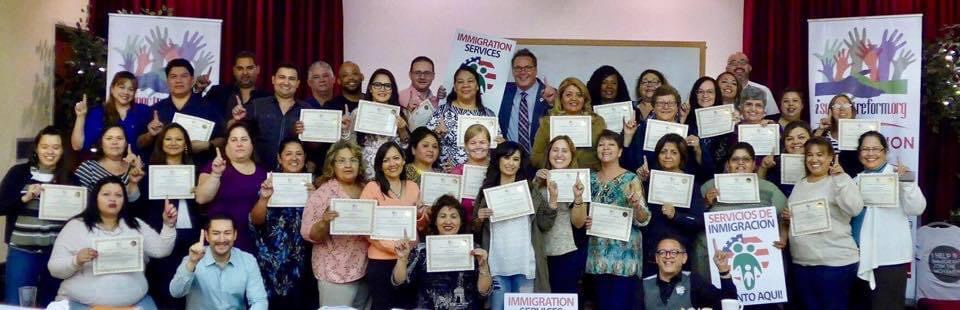
Expert Tips on Immigration Document Preparer Certification
Expert Tips on Immigration Document Preparer Certification
Navigating the complexities of immigration law requires precise documentation, making the role of an immigration document preparer essential. If you're considering a career in this field, obtaining the proper certification is a crucial step. But where do you start? What are the requirements, and how does certification benefit you?
In this guide, we’ll provide expert insights into immigration document preparer certification, common challenges, and key industry considerations. Whether you’re new to the field or looking to enhance your credentials, this blog will equip you with the knowledge you need to succeed.
Common Problems and Challenges in Immigration Document Preparation
1. Legal Boundaries and Misconceptions
One of the biggest challenges in this field is understanding the legal limitations of an immigration document preparer. Unlike attorneys, document preparers cannot offer legal advice, represent clients in court, or provide guidance on case strategy. Many individuals mistakenly assume document preparers can perform these tasks, leading to confusion and potential legal issues.
2. Lack of Standardized Certification Requirements
While some states have established regulations for immigration document preparers, others do not require certification. This inconsistency creates uncertainty for aspiring professionals, making it essential to research state-specific requirements before pursuing certification.
3. High Stakes for Clients
The accuracy of immigration documents can significantly impact a client’s chances of obtaining visas, green cards, or citizenship. Errors or omissions can result in delays, denials, or even deportation in severe cases. This pressure makes proper training and certification even more critical.
4. Competition in the Industry
With many individuals entering the field, standing out as a reputable and certified immigration document preparer is key. Clients tend to trust professionals with recognized credentials and proven expertise, making certification a valuable asset in this competitive industry.
How to Acquire Your as an Immigration Document Preparer Certification
1. Understand State Regulations
Each state has different requirements for immigration document preparers. For example:
- California requires registration with the Secretary of State and a $25,000 bond.
- Arizona mandates certification through the Supreme Court.
- Florida requires preparers to register with the state and comply with disclosure rules.
Before proceeding, research your state’s specific regulations to ensure compliance.
2. Choose a Recognized Training Program
While certification is not always mandatory, enrolling in a recognized training program helps build credibility and ensures you understand the legal and procedural aspects of immigration document preparation. Many online and in-person programs offer courses covering:
- U.S. immigration laws and processes
- Proper document preparation techniques
- Ethical considerations and compliance
Aspiring professionals should look for training programs that not only provide comprehensive instruction but also offer practical guidance on industry best practices, compliance, and business development. Organizations specializing in immigration document preparation, such as those with experienced instructors and a focus on real-world application, can be valuable resources for gaining the necessary skills and certification.
3. Gain Practical Experience
Hands-on experience is invaluable in this field. Consider:
- Volunteering with immigration support organizations
- Interning at law firms or non-profit agencies
- Offering services under the supervision of an experienced preparer
4. Obtain Business Licenses and Bonds (If Required)
If your state requires a business license or surety bond, ensure you complete the necessary paperwork. This step helps protect both you and your clients.
5. Market Your Services
Once certified, focus on building your reputation. Strategies include:
- Creating a professional website with SEO-optimized content
- Networking with immigration attorneys and community organizations
- Leveraging social media to reach potential clients
Benefits of Certification for Immigration Document Preparers
1. Increased Credibility
Clients and employers trust professionals with formal certification, demonstrating knowledge and commitment to ethical practices.
2. Competitive Advantage
Certification sets you apart from uncertified preparers, leading to more job opportunities and client referrals.
3. Higher Earning Potential
Certified professionals can charge higher fees for their services, increasing overall income.
4. Legal Compliance
Understanding and following state regulations minimizes the risk of legal issues or penalties.
5. Enhanced Professional Development
Continued education and certification open doors for career growth and specialization in immigration services.
Industry-Specific Considerations
1. Changes in Immigration Policies
Immigration laws frequently change, affecting document preparation processes. Staying updated with government policies and USCIS guidelines is crucial.
2. Ethical Considerations
Maintaining transparency about your role and limitations ensures clients receive accurate, ethical services.
3. Technology in Immigration Services
Many services are moving online. Digital document submission and e-filing are becoming standard, making tech proficiency a valuable skill.
4. Demand for Multilingual Services
Offering services in Spanish, Mandarin, or other high-demand languages can significantly expand your client base.
Related Questions and Expert Answers
1. Can I prepare immigration documents without certification?
Yes, but certification enhances credibility, legal compliance, and client trust, making it a worthwhile investment.
2. How long does it take to become a certified immigration document preparer?
It varies by state and program, but most training courses take a few weeks to several months.
3. Do immigration document preparers need insurance?
While not always required, professional liability insurance can protect against potential errors or disputes.
4. How can I find clients as a new immigration document preparer?
Networking, digital marketing, referrals, and partnerships with legal professionals can help attract clients.
FAQs
1. Is immigration document preparation legal?
Yes, as long as preparers do not offer legal advice or misrepresent their role.
2. What’s the difference between an immigration document preparer and an immigration attorney?
Document preparers assist with paperwork, while attorneys provide legal advice and representation.
3. Do I need a business license to offer document preparation services?
It depends on state regulations; check your local requirements before starting your business.
4. Can I work remotely as an immigration document preparer?
Yes, many services can be offered remotely, provided you follow all legal guidelines.
5. How do I renew my certification?
Some states and organizations require periodic renewals or continuing education; verify requirements with your certifying body.
Call to Action
If you’re ready to take the next step in your career as an immigration document preparer, obtaining certification is the best way to build trust and credibility. At Latin American Immigration Association, we help professionals navigate the certification process and stay compliant with industry standards.
Don’t wait—start your journey today! Contact us at Latin Immigration to learn more about certification programs and expert guidance in immigration document preparation.
By following these expert tips, you can establish yourself as a trusted and successful immigration document preparer, helping individuals navigate the complex world of immigration paperwork with confidence and accuracy.

Understanding USCIS Immigration Forms - A Guide for Consultants
Listen to This Article
As an immigration consultant, one of your key responsibilities is to help clients navigate the confusing and sometimes complex world of United States Citizenship and Immigration Services (USCIS) forms. These forms, each with its unique purpose and requirements, are the foundation of any immigration process. This guide aims to provide a comprehensive overview of these forms, helping you serve your clients more effectively.
The Importance of Understanding USCIS Immigration Forms
Understanding USCIS immigration forms is crucial for several reasons. First, each form corresponds to a specific immigration process, and using the wrong form can lead to delays or even denials. Second, each form has its own set of instructions and requirements, and missing or incorrect information can have serious consequences. As an immigration consultant, your ability to understand and accurately complete these forms can significantly impact your clients’ immigration journey.
Overview of USCIS Immigration Forms
USCIS has a variety of forms, each serving a specific purpose in the immigration process. Some of the most commonly used forms include:
I-485 (Application to Register Permanent Residence or Adjust Status): Also known as the green card application, this form is for immigrants seeking to become permanent U.S. residents.
N-400 (Application for Naturalization): This form, commonly referred to as the citizenship application, is submitted when an immigrant applies to become a U.S. citizen.
N-600 (Application for Certificate of Citizenship): This form is used to obtain an official certificate recognizing a child’s status as a U.S. citizen. It is not an application to become a U.S. citizen.
I-130 (Petition for Alien Relative): This form is used when a U.S. citizen or permanent resident wants to help a relative immigrate to the United States.
I-864 (Affidavit of Support): Some immigrants are required to submit this form to demonstrate that they have sufficient financial means and are not likely to rely on the U.S. government for financial support.
Form Use Cases
The Four Types of Immigration
Immigration to the United States can be broadly categorized into four types: family-based immigration, employment-based immigration, refugee and asylee status, and the diversity visa program. Each of these types of immigration requires different forms and processes. For example, family-based immigration often involves the I-130 form, while employment-based immigration may require forms such as the I-140 (Immigrant Petition for Alien Worker).
The Five Stages of Immigration
The immigration process can be broken down into five stages: petition, application, biometrics, interview, and decision. Each stage requires different forms and documentation. For instance, the petition stage often involves forms like the I-130 or I-140, while the application stage may require forms such as the I-485 or N-400.
The Three Main Categories of Immigrants
Immigrants to the United States can be categorized into three main groups: family-sponsored immigrants, employment-based immigrants, and refugees and asylees. Each category has different requirements and forms. For example, family-sponsored immigrants often use the I-130 form, while employment-based immigrants may use forms such as the I-140 or I-485.
Conclusion
Understanding USCIS immigration forms is a crucial part of being an effective immigration consultant. By familiarizing yourself with these forms and the processes they correspond to, you can provide better guidance to your clients and help them navigate their immigration journey more smoothly. For more resources and support, consider joining the Latin American Immigration Association. Our membership provides access to a wealth of resources designed to support your work in immigration services.
Frequently Asked Questions
What is the I-485 form?
The I-485 form, also known as the Application to Register Permanent Residence or Adjust Status, is used by immigrants seeking to become permanent U.S. residents.
What is the N-400 form?
The N-400 form, also known as the Application for Naturalization, is submitted when an immigrant applies to become a U.S. citizen.
What is the N-600 form?
The N-600 form, also known as the Application for Certificate of Citizenship, is used to obtain an official certificate recognizing a child’s status as a U.S. citizen.
What is the I-130 form?
The I-130 form, also known as the Petition for Alien Relative, is used when a U.S. citizen or permanent resident wants to help a relative immigrate to the United States.
What is the I-864 form?
The I-864 form, also known as the Affidavit of Support, is used by some immigrants to demonstrate that they have sufficient financial means and are not likely to rely on the U.S. government for financial support.
Success Stories: Fernando’s Journey
To illustrate the importance of understanding USCIS immigration forms, let’s look at the story of Fernando. Fernando immigrated to the U.S. from Mexico with the help of an immigration consultant who was a member of the Latin American Immigration Association<. The consultant’s deep understanding of USCIS forms and processes helped Fernando navigate the sometimes confusing U.S. immigration system. From filing the I-130 form to petition for his immigration through a U.S.-based relative, to completing the I-485 form to adjust his status to a permanent resident, the consultant was there to support Fernando every step of the way. Today, Fernando is a proud U.S. resident, working towards his dream of becoming a U.S. citizen.
Understanding USCIS immigration forms is not just about paperwork—it’s about helping people like Fernando realize their American dream. As an immigration consultant, you have the power to make a significant difference in people’s lives. The Latin American Immigration Association is here to support you in this important work.

Why Join the LAIA? Exploring the Benefits of Our Membership Program
Listen to This Article
The Latin American Immigration Association (LAIA) is the leading professional organization that empowers individuals and organizations involved in immigration services industry. Our students, members and supporters come from all segments of the immigration services industry, including immigration consultants, attorneys, paralegals and BIA accredited representatives. We are dedicated to providing a series of comprehensive immigration training programs as well as offering a valuable Membership Benefits Program which is designed to provide ongoing support, coaching, mentoring and valuable turnkey tools and resources to our community.
But why should you consider joining? Let’s delve into the benefits of our membership benefits program.
The Importance of Professional Support & Coaching in Immigration Services
Navigating the world of immigration services can be confusing and detailed. With ever-changing laws and procedures, it’s crucial to have access to up-to-date information and professional support and coaching services. That’s where the LAIA membership program comes in. Our program is designed to provide you with the resources and support you need to confidently and effectively serve your clients.
Whether you’re an , attorney, paralegal, BIA accredited representative or part of a non-profit organization or church group, our membership program can enhance your professional capabilities.
Detailed Overview of Membership Benefits
As a member of the LAIA, you gain access to a wealth of resources designed to support your work in immigration services. Here’s a closer look at what you can expect:
Sample contracts, intake questionnaires, checklists and sample filing packages – We provide sample contracts and intake forms easily downloadable in both English and Spanish, along with checklists and sample application filing packages for the most common family-based application filings. These valuable turnkey resources can save you time and money, and help to provide following best practice procedures.
Private Facebook Community – Connect with other professionals in the field, share experiences, ask questions, and get advice in our private Facebook community.
Ongoing training webinars – Stay up-to-date with the latest developments in immigration services through our information and continuing education training webinars that are offered at discounted rates for current members.
Sample Filings – We provide sample filings for various immigration procedures, including Family Petition, Affidavit of Support, Fiance Visa Petition, DACA Renewal, Naturalization, Certificate of Citizenship, and more.
Declaration Samples – Get access to I-601A, VAWA, and U-Visa declaration samples to help you with learning some of the more advanced family-based forms.
Success Stories
One of our students and members, Liz E. from Philadelphia, PA an independent immigration consultant, shares her experience: “If you are looking to obtain great results in your career and work with people that have the most up to date information and best skills, look no further! Latin American Immigration Association is the best. They are not looking for numbers or to get something out of you, they are here for you and they make sure you are set in every possible way. Thank you Greg and all staff involved, you guys are the best!” Liz’s Google Review: ⭐️ ⭐️ ⭐️ ⭐️⭐️
How To Get Started
The LAIA membership program offers a wealth of resources and support to help you navigate the complexities of immigration services. Whether you’re just starting out or looking to enhance your professional capabilities, consider joining the LAIA.
Click here to join us today and start enjoying the benefits of membership.
Frequently Asked Questions
Who can join the LAIA?
Anyone involved in the immigration services industry including Immigration Consultants, Attorneys, Paralegals, BIA Accredited Representatives, Non-Profit Organizations, Church Groups, and Corporate Vendors, can join the LAIA.
What resources do I get access to as a member?
As a member, you get access to support, coaching, mentoring, sample contracts, intake questionnaires, checklists for common filings, referrals to immigration attorneys, membership in a private Facebook community, invitations to additional training classes and webinars, sample filings for various immigration applications, documentation related to the I-601A, VAWA, and U-Visa processes and much more.
How can I join the LAIA?
You can join the LAIA by visiting our website and registering on our Membership Benefits Program page.
Are there membership dues to join the LAIA?
Yes, there are membership dues which helps us provide the resources and support that our members benefit from. The dues and different levels of membership offered can be found on our website.
Can I get legal advice from the LAIA?
LAIA is not a law firm and we do not provide legal advice. LAIA provides training, resources, networking and non-legal support and information for immigration services. We recommend consulting with a licensed attorney for legal advice.
Joining the LAIA can provide you with the resources, support, and community you need to succeed in the field of immigration services. We hope to welcome you as a member soon!!!